





























US Suspends Microsoft, Adobe and Major IT Firms From Green Card Program
The US suspends Microsoft, Adobe and six major IT firms from a green card labour certification program over alleged fraud, blocking new and pending applications.
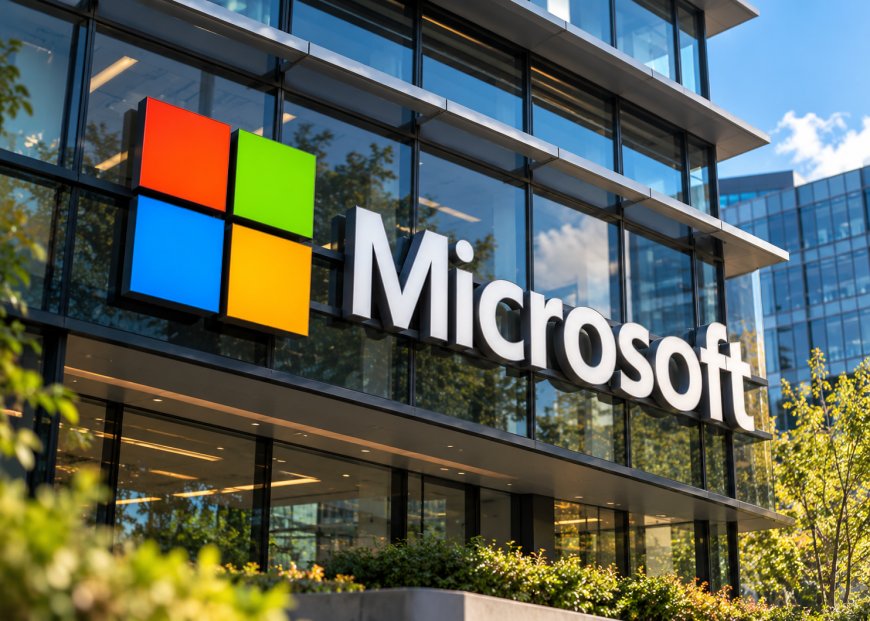
The Trump administration has suspended Microsoft, Adobe and six major IT services firms from a U.S. green card labour certification program over allegations of immigration-related fraud. The Labour Department will halt new and pending applications involving the companies, though it has not established the allegations as findings of wrongdoing.
The restrictions also cover Capgemini, Cognizant, HCL, Infosys, Tata Consultancy Services and Wipro. Vice President JD Vance announced the action Thursday, October 8, as Reuters reported, criticising technology employers for relying on foreign workers instead of hiring Americans.
What the Suspension Means for Foreign Tech Workers
The suspension affects the Permanent Labour Certification Program (PERM), which helps employers sponsor foreign workers for employment-based green cards. It blocks the affected companies from advancing new or pending labour certification applications. Still, it does not automatically revoke existing H-1B visas or permanent residency. Labour Secretary Keith Sonderling confirmed the restrictions, which affect some of the technology industry’s largest employers of skilled foreign professionals. Indian nationals account for nearly three-quarters of approved H-1B visas, according to figures cited by The Associated Press.
Microsoft Defends Its Foreign-Worker Hiring Practices
Vance singled out Microsoft during the announcement, arguing that major American technology companies should prioritise domestic workers. The administration has accused the affected employers of immigration-program abuses, but it has not announced a timetable for lifting the suspensions.
Microsoft defended its employment practices, saying most of its H-1B applications concern existing employees rather than workers newly arriving from overseas. The company said approximately 80% of the roughly 6,000 applications filed during its last fiscal year involved extensions or changes to existing employees’ immigration status.
The remaining filings covered people already legally in the United States who were joining Microsoft, representing approximately 1% of its U.S. workforce. Microsoft emphasised that the vast majority of its American workforce consists of U.S. employees.
The company also said it follows H-1B eligibility requirements and pays visa holders comparably to employees performing similar work. Microsoft indicated that it would provide the administration with additional information about its hiring practices.
Administration Also Targets Major Universities
The administration separately announced investigations into nine universities, including Harvard, Yale and Stanford, over alleged misuse of an international exchange-visitor program. Vance claimed the institutions were using the program in ways that undermined wages for American workers.
As NBC News reported, the university investigations form part of the same administration announcement but concern a different visa category from the employment-based green card restrictions.
The Labour Department has not specified when suspended companies may resume filing permanent labour certification applications. Until then, affected employers cannot advance those applications through the program.
What's Your Reaction?
 Like
0
Like
0
 Dislike
0
Dislike
0
 Love
0
Love
0
 Funny
0
Funny
0
 Angry
0
Angry
0
 Sad
0
Sad
0
 Wow
0
Wow
0