



























Zoox Refreshes Its Robotaxi Ahead of Planned Commercial Launch
Zoox has unveiled an upgraded version of its autonomous robotaxi with improved passenger comfort, enhanced communication features, and production-ready refinements as it moves closer to a commercial ride-hailing service.
Zoox has unveiled an updated version of its purpose-built robotaxi, introducing a series of refinements to improve passenger comfort and overall functionality. The Amazon-owned autonomous vehicle company announced the upgrades on Wednesday, explaining that many of the changes were based on rider feedback as it prepares for what it hopes will be the commercial launch of its service later this year.
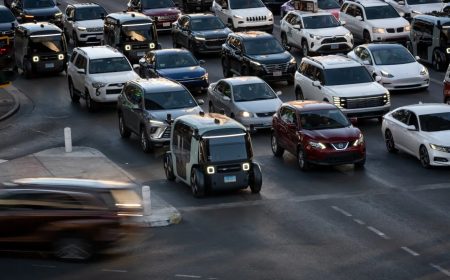
While the robotaxi has received a noticeable refresh, its core design remains unchanged. Zoox’s cube-shaped electric vehicle still operates without a steering wheel or traditional driving controls. The panoramic moonroof and signature starry-night lighting remain in place, along with the vehicle’s array of 40 cameras, radars, lidars, and infrared sensors that enable it to perceive its surroundings. It also continues to feature bidirectional driving, four-wheel steering, seating for four passengers, and a top speed of 75 miles per hour.
Rather than redesigning the vehicle from the ground up, Zoox focused on making practical improvements that would better support a robotaxi expected to transport thousands of passengers. At least, that is the company’s long-term goal.
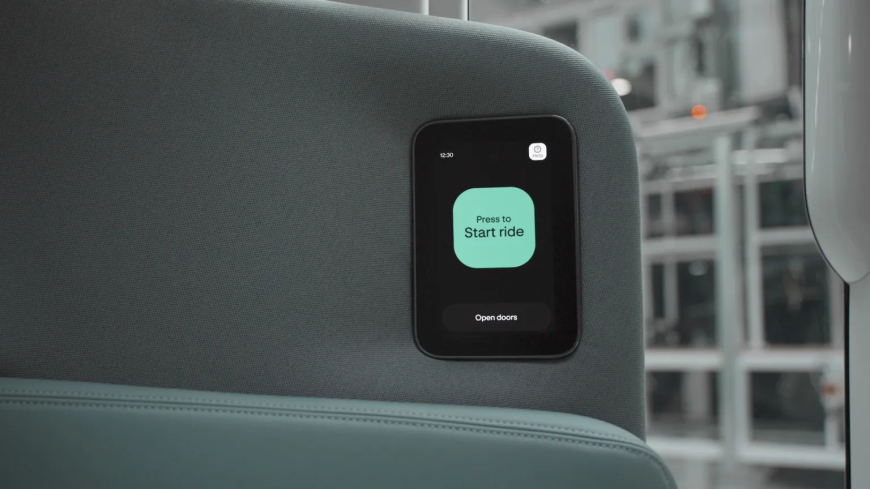
Inside the cabin, Zoox has enhanced the seating by adding extra cushioning and more ergonomic contours to both the seats and headrests. The interior has also been updated with a lighter colour scheme, featuring aloe-green seats alongside stone-grey flooring and trim.
According to the company, the brighter colour palette creates a more relaxing environment for passengers while also making everyday belongings, such as smartphones, easier to spot against the contrasting interior surfaces.
Additional cabin improvements include textured grooves on the wireless charging pad to help keep phones securely in place, larger cupholders, and a touchscreen display that is easier for passengers to see and use.
The exterior has also received several functional updates. Zoox relocated the vehicle’s bidirectional reflectors to improve visibility and added a new speaker and microphone to the door interface, along with two-way audio capabilities. The company said these enhancements are intended to improve communication between riders, nearby road users, Zoox’s support team, and emergency responders when necessary.
According to Chris Stoffel, Zoox’s Director of Robot Industrial Design and Studio Engineering, the objective is to create an interior that feels refined and comfortable without overwhelming passengers with the kinds of features commonly found in modern vehicles.
“The updates we’ve made to this iteration of our purpose-built robotaxi continue further to distinguish the Zoox experience from anything else available today,” Stoffel said in a statement.
Beyond improving the passenger experience, the redesign also serves practical manufacturing goals.
Last year, Zoox opened a production facility in Hayward, California, where it expects to manufacture up to 10,000 robotaxis annually. The latest improvements have been introduced with large-scale production in mind, and the company says the facility can build up to 100 vehicles per week.
Before full-scale manufacturing and commercial operations can begin, however, Zoox still faces one significant regulatory hurdle.
The company has applied for a commercial exemption because its robotaxi lacks conventional driver controls, such as a steering wheel and pedals, that are currently required under federal safety regulations. The public comment period for that request has already concluded, and Zoox is now awaiting a decision from the National Highway Traffic Safety Administration (NHTSA). The agency previously granted the company an exemption in August 2025, allowing its custom-built robotaxis to begin public road testing.
If regulatory approval is granted, Zoox says it will begin offering paid robotaxi rides.
For now, the company continues to test the vehicles and provide free rides in Austin, Texas; San Francisco; Las Vegas; and Miami, Florida.
What's Your Reaction?
 Like
0
Like
0
 Dislike
0
Dislike
0
 Love
0
Love
0
 Funny
0
Funny
0
 Angry
0
Angry
0
 Sad
0
Sad
0
 Wow
0
Wow
0