

























China Tightens Control Over Its Top AI Talent Amid Global Tech Rivalry
China is strengthening efforts to retain its leading AI researchers and engineers through travel restrictions, incentives, and strategic policies as global competition for artificial intelligence talent intensifies.
China is increasingly tightening its grip on the country’s top artificial intelligence talent as competition with the United States over advanced technology continues to escalate. Reports indicate that prominent AI researchers, startup founders, and senior executives at private technology firms now face stricter travel controls, with some required to obtain government approval before travelling overseas.
The measures reflect Beijing’s growing determination to prevent talent loss in a sector that has become central to both economic development and national security. Demand for highly skilled AI professionals has surged as companies worldwide race to develop and improve advanced AI models to power the next generation of digital services and applications.
Signs of this policy shift emerged earlier. In March 2025, The Wall Street Journal reported that Chinese officials had quietly advised several leading AI founders and researchers to avoid travelling to the United States. At the time, the guidance highlighted how strategically important China had begun to view artificial intelligence and the people driving its development.
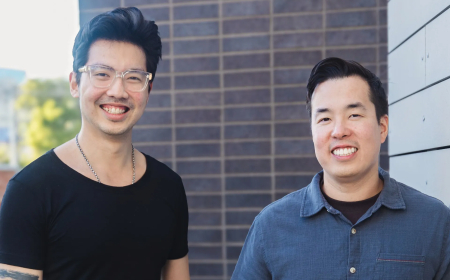
The restrictions appear to have become even more stringent following increased scrutiny of the Manus-Meta transaction. According to reports from the Financial Times, Chinese authorities have prevented the two co-founders of Manus from leaving the country. At the same time, regulators are examining whether Meta’s reported $2 billion acquisition of the AI startup violates foreign investment regulations.
As a result, the founders are reportedly exploring ways to comply with government demands to unwind the transaction. One option under consideration involves raising roughly $1 billion from outside investors to repurchase the company and reverse the deal.
The growing oversight comes at a time when the AI race between China and the United States is becoming increasingly competitive. Data from Stanford’s latest AI Index suggests the performance gap between the leading American and Chinese AI models narrowed to just 2.7% by March 2026. That represents a dramatic reduction from the roughly 31% gap recorded in 2023, fueling debate over how long the United States can maintain its technological lead.
Although American companies continue to hold advantages in model quality and high-impact AI patents, China has been making rapid gains. In several areas, including research publications, academic citations, and overall patent volume, Chinese organisations are matching or surpassing their U.S. counterparts.
Travel restrictions are only one part of China’s broader strategy. Bloomberg reported earlier this year that Beijing also plans to closely monitor foreign investment flowing into domestic AI companies. Under the proposed framework, major technology firms such as Moonshot AI, StepFun, and ByteDance would need government approval before accepting capital from U.S. investors.
The latest developments follow a series of economic and technological countermeasures introduced by China in recent years. In 2025, Beijing implemented two separate rounds of export controls covering 14 rare earth materials considered critical for advanced technology and military applications. The government also prohibited state-backed data centres from deploying foreign-made AI chips.
Taken together, the measures underscore China’s determination to strengthen control over key AI resources, talent, and infrastructure as the global competition for leadership in artificial intelligence continues to accelerate.
What's Your Reaction?
 Like
0
Like
0
 Dislike
0
Dislike
0
 Love
0
Love
0
 Funny
0
Funny
0
 Angry
0
Angry
0
 Sad
0
Sad
0
 Wow
0
Wow
0