





























Google Pixel 11 Series Plays It Safe With Smarter Upgrades
The Google Pixel 11 series brings Tensor G6, brighter displays, upgraded cameras, Qi 2.2 charging, and new AI features across the Pixel 11, Pro, and Fold models.
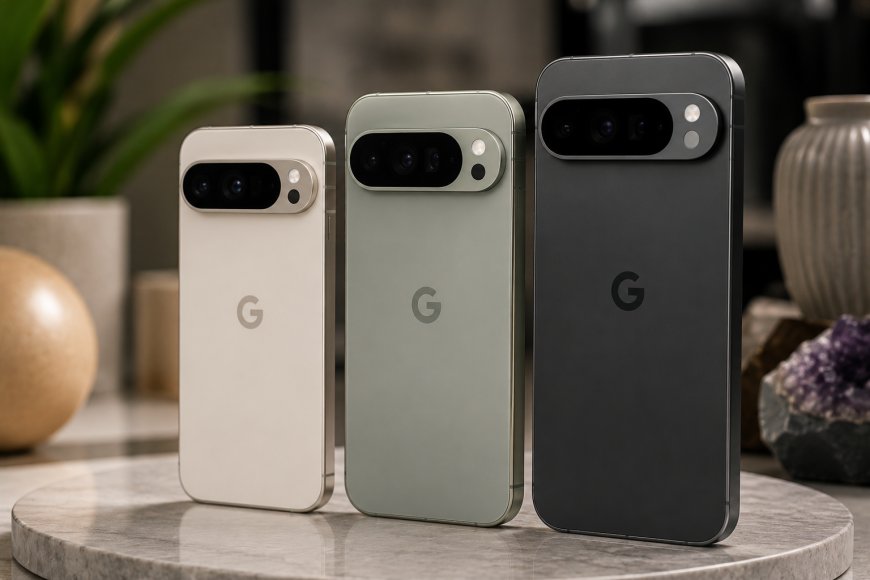
Google has unveiled the Pixel 11, Pixel 11 Pro, Pixel 11 Pro XL and Pixel 11 Pro Fold, bringing a new Tensor chip, upgraded cameras and deeper software features to its flagship smartphone lineup without dramatically changing the formula.
The new phones were introduced at Google’s Made by Google event on Aug. 12. Rather than pursuing a major redesign, Google has focused on refinements that affect everyday use, including brighter displays, camera improvements, faster wireless charging and a new generation of its custom processor.
Google’s Tensor G6 chip powers all four phones. The Pixel 11 starts at $899 with 256GB of storage, while the Pixel 11 Pro starts at $1,099 and the Pro XL at $1,299. The foldable Pixel 11 Pro Fold starts at $1,899.
The phones are scheduled to begin shipping Aug. 20.
Pixel 11 Focuses on Practical Improvements
The standard Pixel 11 remains the entry point to Google’s flagship family.
Its design is immediately recognisable as a Pixel, but Google has refined the camera bar and made several internal improvements. The Tensor G6 processor is central to the upgrade, supporting Google’s expanding collection of AI and photography features.
Camera software remains one of the biggest areas of focus across the lineup. Google has introduced Camera Looks, which applies different visual styles during image processing, along with Magic Capture, a feature designed to combine elements of photo and video capture.
The approach reflects Google’s broader Pixel strategy: use computational photography and software to differentiate its phones rather than relying entirely on dramatic hardware changes.
Pixel 11 Pro Pushes Cameras and Display Further
The Pixel 11 Pro and larger Pro XL add more substantial upgrades.
Google has equipped the Pro models with brighter displays that reach up to 3,600 nits, while camera improvements include enhanced Night Sight and digital zoom up to 120x.
The Pro phones also introduce HiLight, an RGB LED integrated into the rear camera area. The light can provide visual notifications and adds a hardware element that feels unusual in an era when traditional notification LEDs have largely disappeared from premium smartphones.
Google is also targeting creators more directly. New camera and editing tools are grouped into its Creator Suite, while the Pro models add advanced video capabilities including an 8K Pro Stable Video option.
Pixel 11 Pro Fold Prioritises Durability
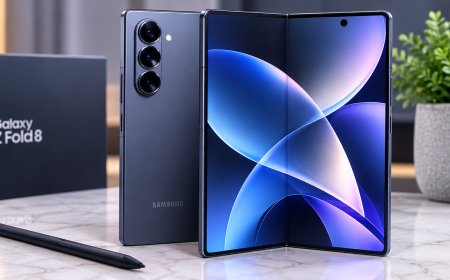
The Pixel 11 Pro Fold may be the most interesting hardware update in the family.
Google has reduced the bezels and refined the body while keeping the company’s wider foldable design. The device measures about 10.1mm thick when folded, making it thinner than its predecessor.
Durability is also a major part of Google’s pitch.
The foldable starts with 256GB of storage and 16GB of RAM, and Google is making stronger claims about the durability of its construction. Those improvements matter in the foldable category, where buyers continue to weigh larger displays against concerns over hinges, screens and long-term reliability.
At $1,899, however, the Pixel 11 Pro Fold remains firmly in premium territory and faces strong competition from Samsung and other foldable manufacturers.
Qi2.2 Comes to the Pixel Lineup
Another meaningful upgrade is support for Qi2.2 wireless charging.
The technology improves wireless charging and magnetic accessory compatibility, helping Pixel phones compete more directly with established magnetic charging ecosystems.
It is not the kind of feature that transforms a smartphone on launch day, but it could make the Pixel ecosystem more convenient over several years of ownership.
Google Is Betting on Refinement, Not Reinvention
The Pixel 11 generation does not attempt to reinvent Google’s smartphone.
Instead, Google appears to be polishing a formula it has spent several generations developing: distinctive cameras, tightly integrated Android software, custom Tensor processors and an increasing emphasis on AI.
That makes the Pixel 11 series less dramatic than some annual smartphone launches, particularly for owners of recent Pixel devices.
But incremental does not necessarily mean insignificant. Better displays, improved cameras, Tensor G6, Qi 2.2 charging, and a more refined foldable address areas users interact with every day.
For buyers coming from an older Pixel or another Android phone, the combination could be compelling. For recent Pixel owners, the decision is less obvious.
The Pixel 11 lineup is ultimately a familiar Google smartphone experience with more polish rather than a complete reset. This year, Google appears comfortable with that.
What's Your Reaction?
 Like
0
Like
0
 Dislike
0
Dislike
0
 Love
0
Love
0
 Funny
0
Funny
0
 Angry
0
Angry
0
 Sad
0
Sad
0
 Wow
0
Wow
0