






















SpaceX IPO Windfall: Elon Musk and a Select Group of Insiders Stand to Gain the Most
A potential SpaceX IPO could create enormous wealth for Elon Musk and a small group of early investors, executives, and employees. Explore who stands to benefit the most if SpaceX goes public and how the company’s valuation could impact shareholders.
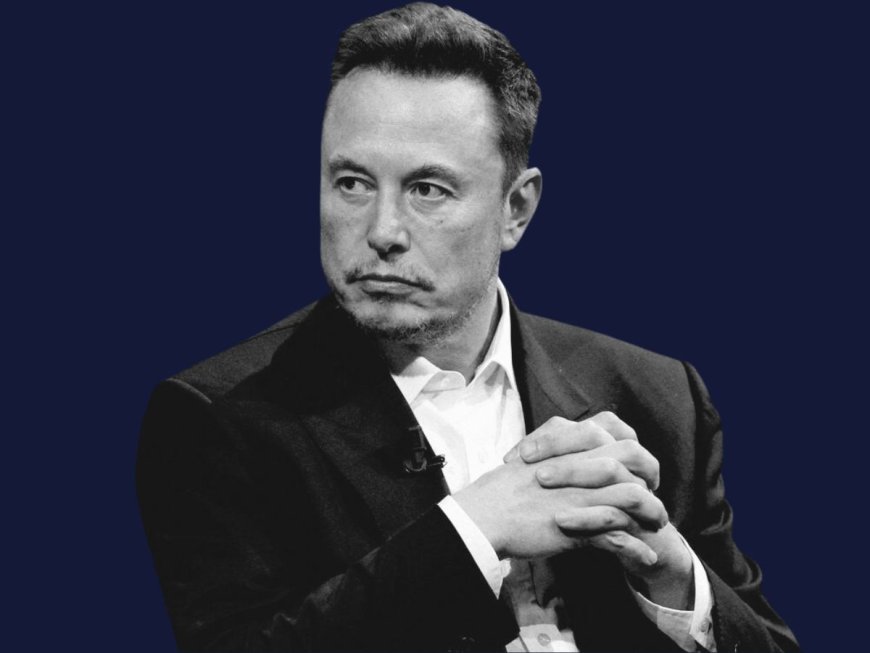
As SpaceX moves closer to its highly anticipated public debut, its S-1 filing has revealed several striking details about the company's ownership structure. At the same time, many investors may be surprised by some of the disclosures; one thing that likely comes as little shock is the extraordinary level of control maintained by founder and CEO Elon Musk.
Among the more unusual revelations is a provision that could eventually award Musk up to one billion additional shares. The condition attached to that stock grant is ambitious, to say the least: establishing a permanent SpaceX settlement on Mars with one million residents. While the milestone may seem far removed from present-day reality, the filing notes that Musk already holds voting rights in those shares, giving him influence over them long before any such colony exists.
Even so, the potential addition of another billion super-voting shares does little to alter the broader ownership picture. Musk already dominates SpaceX's shareholder structure by a considerable margin, making the future award relatively insignificant compared with the scale of his existing holdings.
According to the filing, Musk owns just under 850 million Class A shares, each of which carries one vote. He also controls nearly 5.6 billion Class B shares, which carry ten votes per share. Included within that figure are the one billion performance-linked shares tied to the future Mars settlement requirement.
Beyond the futuristic compensation arrangement, attention is increasingly turning toward the individuals who hold substantial ownership stakes in SpaceX and stand to benefit most if the IPO performs well. The company's largest shareholders could see their wealth increase dramatically should SpaceX achieve the valuation levels currently being discussed across financial markets.
Although the company has not yet announced the final size of the offering or the price range for its shares, market estimates suggest the IPO could raise approximately $75 billion and value SpaceX at around $1.7 trillion after the offering. At that valuation, a one-per-cent ownership stake would be worth roughly $17 billion.
Below is a closer look at some of the company's most significant shareholders and insiders.
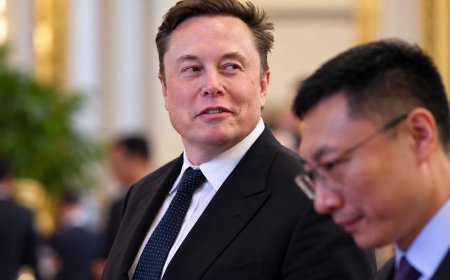
Elon Musk serves as founder, chief executive officer, chief technology officer, and chairman of SpaceX. His total ownership exceeds 6.42 billion shares, giving him overwhelming influence over the company's future and maintaining his position as the largest shareholder by an enormous margin.
His ownership structure, combined with the company's dual-class voting system, effectively ensures continued control over major corporate decisions after the company goes public.
Antonio Gracias owns more than 503.4 million SpaceX shares. Gracias is the founder and CEO of Valourrr Management and has maintained close ties with Musk for many years. He previously served on Tesla's board during both its startup years and the period following its public listing. He also sat on the board of SolarCity before the solar energy company was acquired by Tesla in a transaction that attracted significant attention.
In addition to those roles, Gracias has invested in and served on the boards of several Musk-affiliated ventures, including Neuralink and The Boring Company. He was also among the investors who agreed to support Musk's unsuccessful $97 billion bid to acquire OpenAI earlier in 2025.
Luke Nosek holds nearly 33 million SpaceX shares. Nosek is a co-founder of the venture capital firm Gigafund and is widely known as a member of the PayPal Mafia, the influential network of entrepreneurs and investors that emerged from PayPal's early leadership team.
He joined Peter Thiel at Founders Fund during the firm's early years and led Founders Fund's initial investment in SpaceX. That investment earned him a seat on the company's board, where he has remained ever since.
Through Gigafund, Nosek has also backed several of Musk's ventures, including Neuralink and The Boring Company.
Gwynne Shotwell owns nearly 12.6 million shares. Shotwell joined SpaceX in 2002 and became chief operating officer in 2008. She is widely regarded as one of the most important figures behind the company's operational success and oversees much of the organisation's day-to-day activities.
Many industry observers credit Shotwell with helping transform SpaceX from an ambitious startup into one of the world's leading aerospace companies. Although she was not formally recognised as a co-founder, her role within the company has long been viewed as indispensable.
Her compensation reflects that importance. In 2025, she received a substantial grant of restricted stock units, boosting her annual compensation package to approximately $85.8 million.
Bret Johnsen owns nearly 9.6 million shares. Johnsen has served as SpaceX's chief financial officer since 2011. Before joining the company, he held finance leadership and executive positions in the semiconductor industry.
Throughout his tenure, he has played a central role in managing the company's finances and fundraising activities, helping secure the capital needed to support SpaceX's rapid growth and long-term ambitions.
Ira Ehrenpreis owns approximately 809,050 shares. Ehrenpreis is the founder and managing partner of venture capital firm DBL Partners. He joined SpaceX's board in February 2026 and also serves on Tesla's board of directors.
While his ownership position is significantly smaller than those of some other insiders, the company's projected valuation means the stake could still represent considerable wealth following the IPO.
Randy Glein owns roughly 277,800 shares. Glein is co-founder and managing partner of DFJ Growth, a venture capital firm known for investing in high-growth technology companies. His involvement reflects the broad support SpaceX has received from prominent venture investors over the years.
Beyond the major shareholders listed in regulatory filings, SpaceX has attracted investment from hundreds of venture capital firms and private investors throughout its history. According to PitchBook estimates, the company has raised approximately $30 billion in private funding to date.
While most of those investors do not own stakes large enough to require disclosure, many still hold positions that could be worth billions of dollars if the company reaches its anticipated market valuation after listing.
The filing also offers a glimpse into how dramatically the value of SpaceX shares has increased over time. Early Series A investors purchased stock at just $1 per share. By the time the company reached its Series F financing round, investors were paying $7.50 per share. The most recent Series N investors acquired shares at $270 each, reflecting the extraordinary appreciation in the company's valuation.
Should SpaceX achieve the valuation levels currently expected by market observers, the IPO could become one of the largest wealth-creation events in the technology and aerospace sectors, delivering enormous gains not only for Musk but also for a relatively small group of executives, directors, and early investors who backed the company during its rise.
What's Your Reaction?
 Like
0
Like
0
 Dislike
0
Dislike
0
 Love
0
Love
0
 Funny
0
Funny
0
 Angry
0
Angry
0
 Sad
0
Sad
0
 Wow
0
Wow
0