


































Bidbus Lets Car Dealerships Compete for Your Used Car with Live Bidding
Bidbus is transforming the used-car marketplace by allowing multiple dealerships to compete through live bidding, helping sellers secure better offers while making vehicle sales faster and more transparent.
Selling a used vehicle has long been an inconvenient experience. Owners can choose a fast online service like Carvana, but that convenience often comes at the cost of accepting an offer that may be thousands of dollars below market value. The alternative is negotiating with dealerships, where offers can vary significantly depending on their inventory needs, requiring additional time and effort from the seller.
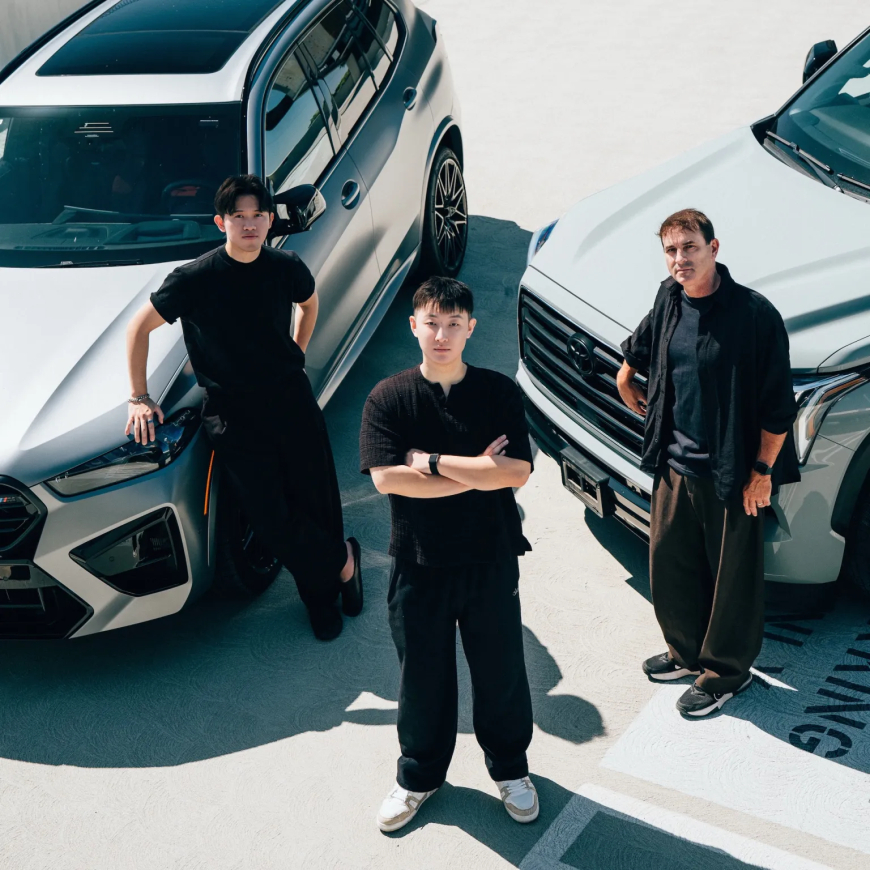
Los Angeles-based startup Bidbus has spent the past several years developing a solution designed to bridge those two approaches. Instead of negotiating with a single buyer, the platform enables multiple dealerships to compete for the same vehicle through a digital bidding marketplace, allowing sellers to receive dealer-level offers without leaving home. According to thecompany’ss founders, sellers typically receive offers that are approximately $2,000 to $3,000 higher than those provided by Carvana.
As it prepares to expand beyond its initial operating regions of California and Texas, Bidbus has secured $15 million in Series A financing. The investment round was led by early-stage mobility investor Ibex Investors, with additional backing from Mucker Capital, FJ Labs, Motley Fool Ventures, Data Point Capital, Walter Ventures, and Yossi Levi, founder of Car Dealership Guy.
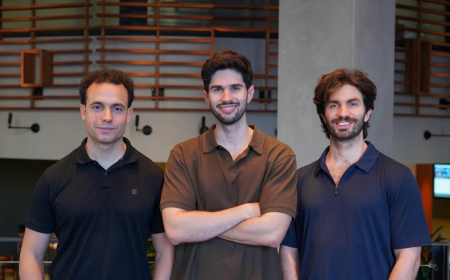
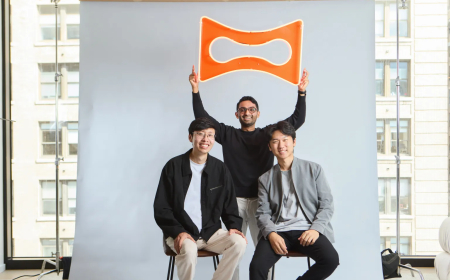
Bidbus co-founder and CEO Duke Yan said the idea grew out of his own experiences buying and selling vehicles over the years. The turning point came when he helped his mother sell her car and found that dealership offers were far below what he believed the vehicle was worth. Instead of accepting one of those offers, he placed several interested dealers into a group chat, where they unexpectedly began bidding against one another.
That experience ultimately became the foundation for Bidbus.
“Used-car affordability is not a financing problem. It’s a market efficiency problem. Consumers lack real price discovery for trade-ins, dealers struggle to source quality inventory, and much of the best supply is still trapped in people’s driveways,” Yan said.
The model builds on a process dealerships already understand. Dealers regularly purchase inventory through wholesale auctions, so competitive bidding is already part of their business. Bidbus brings private sellers into that marketplace, giving dealers access to higher-quality vehicles that often never reach traditional auctions.
The startup capitalises on the pricing gap between online vehicle-buying companies and dealerships, which are frequently willing to pay considerably more for desirable inventory. Even after Bidbus deducts its own fee, the company says sellers generally receive significantly better offers than they would through many instant-buying platforms.
For Yan, however, improving vehicle prices was only part of the objective.
He also wanted to transform the selling experience into something more engaging, borrowing design inspiration from investment platforms such as Robinhood and social media applications like TikTok.
After a vehicle is approved for listing, participating dealerships have only a limited number of hours to submit offers. Throughout the process, users can watch bids increase in real time, with each competing offer prominently displayed on screen.
Yan believes this live bidding experience will encourage sellers to share screenshots and videos across social media, helping introduce more consumers to the platform through organic word-of-mouth.
“Our vision is to make selling a car as transparent and competitive as trading a stock, where price is determined by market competition rather than a single buyer,” Yan said.
Building the marketplace, however, was not without challenges.
Yan explained that the company initially operated without outside funding, relying on bootstrapping during its early growth. Although the platform quickly attracted dealership participation, he eventually made the difficult decision to remove one of Bidbus’ biggest buyers.
“At that time, he was the only one who bought so many cars, and so he felt like he could get away with haggling or low-balling,” Yann said. “It hurt at first, but now our platform is better than ever. We have five to eight more dealers like him, buying a lot, upholding the standard [experience] that we want our customers to go through.”
Jeff Peters, a partner at Ibex Investors who led the Series A investment, said he had previously passed on participating in Bidbus’ seed funding because the company was operating only within Los Angeles.
As the startup expanded into additional markets, continued to attract customers, and established relationships with major dealership groups, including Lithia Motors and Penske Automotive, Peters reconsidered.
“It seems like this is scalable, and that it’s a universal problem and a universal opportunity, at least across the United States. I think it’s gonna be durable, too, because some of the most durable business models are marketplaces,” Peters said.
He added that the platform benefits both sides of the transaction.
“At the end of the day, they’re providing value to consumers by giving them $2,000 to $3,000 more for their vehicle, as well as allowing dealers to build up their inventory and access new inventory that they never really had access to before.”
To date, Bidbus says approximately 10,000 vehicles have been sold through its marketplace.
Peters believes the company’s growth potential remains significant. Services like Carvana have already demonstrated that consumers are comfortable completing vehicle sales online, making the next logical step a marketplace that prioritises securing the highest possible offer.
“I think people will be pretty much looking for the best deal, however they can find it,” he said.
What's Your Reaction?
 Like
0
Like
0
 Dislike
0
Dislike
0
 Love
0
Love
0
 Funny
0
Funny
0
 Angry
0
Angry
0
 Sad
0
Sad
0
 Wow
1
Wow
1