






















Tesla loses bid to overturn $243M Autopilot verdict
Tesla has lost its attempt to overturn a $243 million verdict tied to its Autopilot system, keeping a major legal ruling against the company in place.
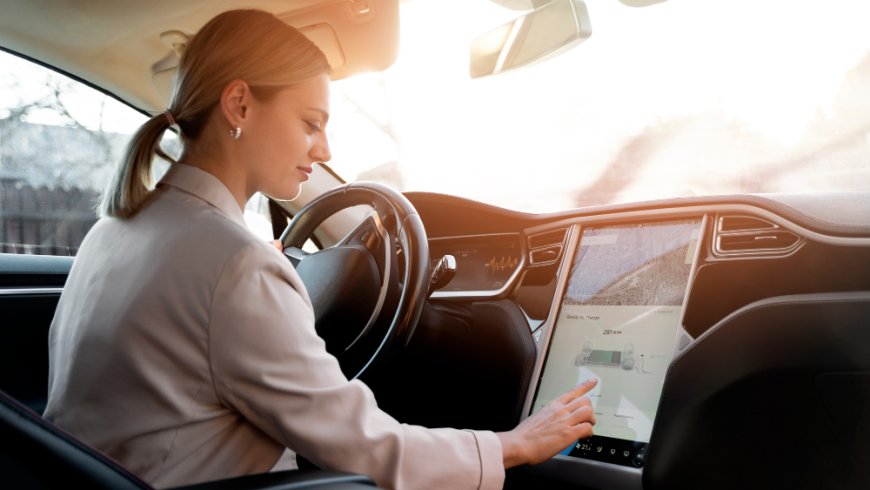
A judge has rejected Tesla’s request to overturn a $243 million jury verdict that found the automaker partially responsible for a deadly crash involving its Autopilot driver assistance system.
“The grounds for relief that Tesla relies upon are virtually the same as those Tesla put forth previously during the course of trial and in their briefings on summary judgment — arguments that were already considered and rejected,” the decision from Hon. Judge Beth Bloom states. “Furthermore, Tesla does not present additional arguments or controlling law that persuades this Court to alter its earlier decisions or the jury verdict.”
In August, a jury issued a $243 million verdict against Tesla tied to a 2019 fatal crash in Florida that killed Naibel Benavides and critically injured Dillon Angulo. The jury determined the driver was responsible for two-thirds of the fault and assigned one-third to Tesla. The jury also assessed punitive damages only against Tesla.
In its attempt to reverse the ruling, Tesla’s attorneys argued that responsibility for the crash lay with the driver, who contributed to causing the collision.
What's Your Reaction?
 Like
0
Like
0
 Dislike
0
Dislike
0
 Love
0
Love
0
 Funny
0
Funny
0
 Angry
0
Angry
0
 Sad
0
Sad
0
 Wow
0
Wow
0