































Google Gemini’s AI Branding Problem Highlights a Bigger Industry Challenge
Google Gemini’s growing list of AI features highlights a broader challenge as AI companies struggle with simpler user experiences.
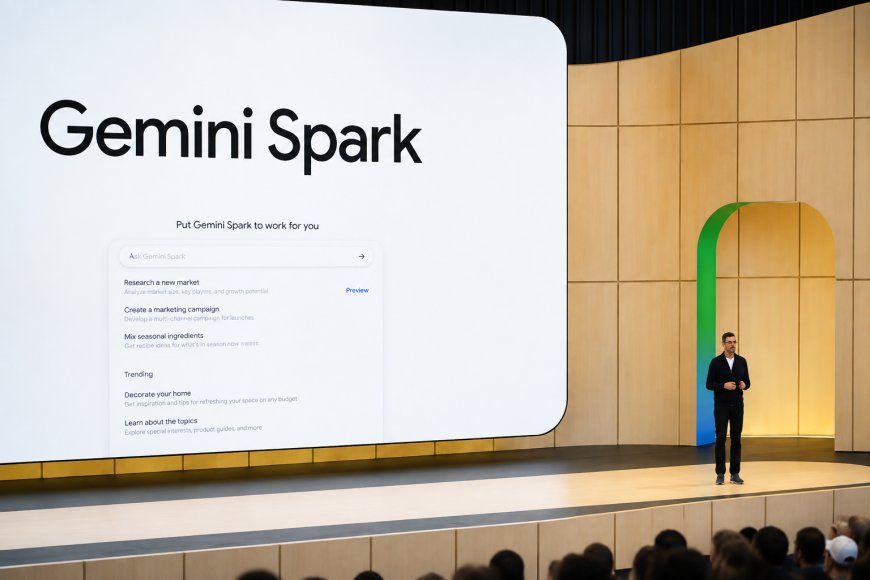
Google’s latest Gemini updates highlight a growing challenge across the artificial intelligence industry: making powerful AI tools simple enough for everyday users.
In announcing new Gemini Live voice features, Google said users should not need to figure out whether a task requires different tools such as Spark, Daily Brief or a quick search. However, the company’s expanding collection of feature names may be creating the exact complexity it wants to avoid.
Inside the Gemini app, users can switch between different experiences, including chat, Spark and Daily Brief. Each feature has its own branding, icon and place in the navigation, creating a more complicated experience for users who want to ask an AI assistant to complete a task.
AI Features Are Becoming Too Visible to Users
Daily Brief is designed to provide personalised updates using information from Google services such as Gmail and Calendar. However, the feature can sometimes surface reminders or suggestions that may not feel immediately useful, including prompts related to previous searches or earlier chatbot activity.
For some users, these proactive suggestions can feel less like helpful assistance and more like unwanted interruptions, especially when the system brings up past interests that were never intended to become ongoing tasks.
Spark represents a different challenge. The AI agent feature can perform tasks on a user’s behalf. Still, Google has positioned it as a separate experience rather than simply making Gemini decide when an agent is needed.
A simpler approach would allow users to make requests naturally while the AI determines which capabilities are required behind the scenes. Users would not need to understand the system’s internal structure to get results.
The Branding Problem Extends Beyond Gemini
Google is not alone in exposing AI product architecture directly to consumers. Many AI companies have created separate names for different interaction modes and features, forcing users to understand distinctions that are primarily important for product development.
Anthropic’s Claude includes different experiences such as chat and Cowork, while ChatGPT separates features into different modes for conversations and work-related tasks. These divisions may make sense internally, but they can create friction for users who expect one assistant to handle different needs.
Apple’s approach with Siri offers a different model. Instead of asking users to learn a new AI interface, Apple has focused on making existing experiences, including Spotlight Search, Photos, the camera and voice requests, more intelligent.
Simple AI Interfaces May Win Consumers
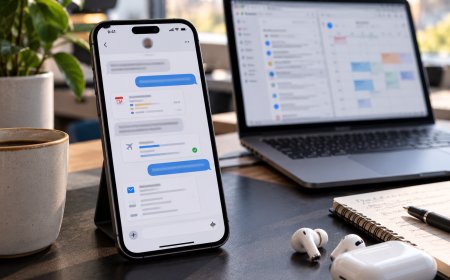
The same idea has helped text-based AI assistant services gain attention. Apps such as Poke, Ollie, Lindy, Orchid, Lucas, Folk, Tomo and Instinct rely on familiar messaging-style interactions where users request without choosing between different AI tools.
Text messaging provides a simple interface that most users already understand. Instead of navigating multiple AI features, users can state their goal and let the assistant determine how to complete it.
As a16z investment partner, Justine Moore has argued that many people may prefer AI assistants that feel like a contact they can message rather than another app that requires users to learn new workflows. Moore highlighted this shift as part of the changing AI assistant market.
The challenge for AI companies may not only be building more capable models, but also creating interfaces that hide complexity rather than asking users to understand it.
What's Your Reaction?
 Like
0
Like
0
 Dislike
0
Dislike
0
 Love
0
Love
0
 Funny
0
Funny
0
 Angry
0
Angry
0
 Sad
0
Sad
0
 Wow
0
Wow
0