


































Voice AI Still Lacks Its ChatGPT Moment, PolyAI and Otter Executives Say
PolyAI and Otter leaders say voice AI needs faster reasoning, better transcription and transparency before it can deliver natural, trustworthy conversations.
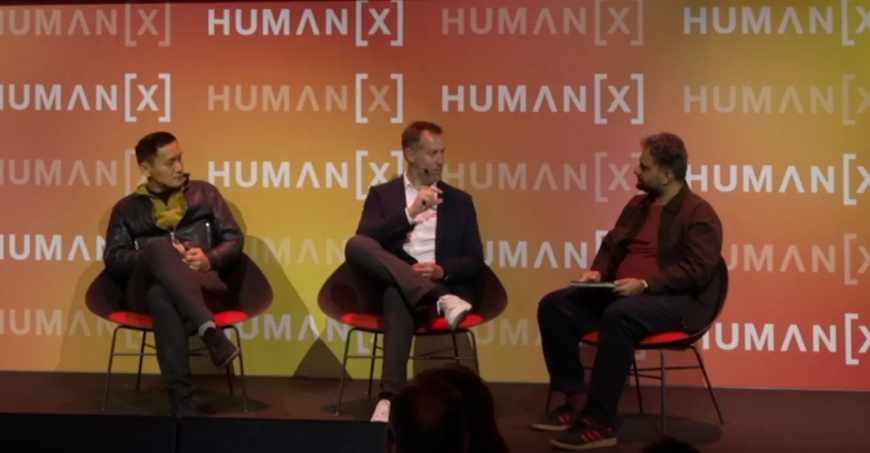
Voice AI has advanced rapidly, but executives from PolyAI and Otter say the technology still faces significant obstacles before it can deliver the natural, reliable interactions that made ChatGPT widely popular. Despite improvements in speech generation and real-time conversations, reasoning speed, transcription accuracy and user trust remain major challenges.
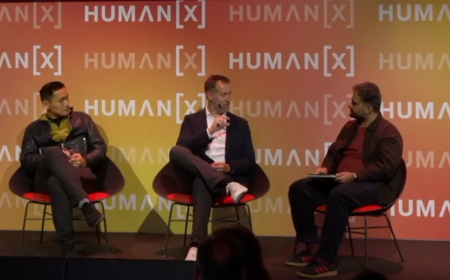
Speaking at the HumanX conference, PolyAI Chief Technology Officer Shawn Wen said full-duplex models, which can listen and speak simultaneously, represent an important milestone. However, he argued that AI agents need faster reasoning to retrieve information and respond without disrupting the flow of conversation.
Voice AI Needs More Than Human-Like Speech
Wen said customer service agents must do more than sound natural. They need to show they can resolve problems, so callers build confidence after their first few interactions rather than immediately requesting human assistance.
Alex Gay, Otter’s chief marketing officer, identified similar challenges in workplace applications. He said effective AI meeting assistants require accurate speaker identification, an understanding of conversational intent and access to organisational knowledge to support automation.
Otter is also developing digital twins that could represent individuals in meetings. Gay emphasised that these systems must reproduce the emotional qualities of human conversation, including the ability to participate naturally in discussions and debates, rather than functioning as basic question-and-answer chatbots.
Transcription Accuracy and Transparency Remain Critical
Both executives highlighted limitations in automatic speech recognition technology. Wen said transcription systems can miss important keywords, while Gay warned that inaccurate meeting transcripts can undermine summaries and any automated actions based on them.
Gay explained that transcription underpins Otter’s broader productivity features. If the original record contains errors, subsequent tasks can produce incorrect results, weakening confidence in the platform.
Transparency is another unresolved issue as voice AI becomes more common in customer service and workplace meetings. PolyAI believes callers should know when they are speaking with an AI agent, while Otter is exploring ways to notify meeting participants when conversations are recorded, even without a visible meeting bot.
For both companies, improving voice quality alone is insufficient. Faster responses, dependable understanding and clear disclosure of AI participation remain essential to making conversational systems trustworthy for everyday use.
What's Your Reaction?
 Like
0
Like
0
 Dislike
0
Dislike
0
 Love
0
Love
0
 Funny
0
Funny
0
 Angry
0
Angry
0
 Sad
0
Sad
0
 Wow
0
Wow
0