
































Common Sense Rates ChatGPT for Teens an ‘Unacceptable Risk’
Common Sense Media rated ChatGPT for Teens an “Unacceptable Risk,” citing concerns about crisis responses, engagement cues and parental-control failures.
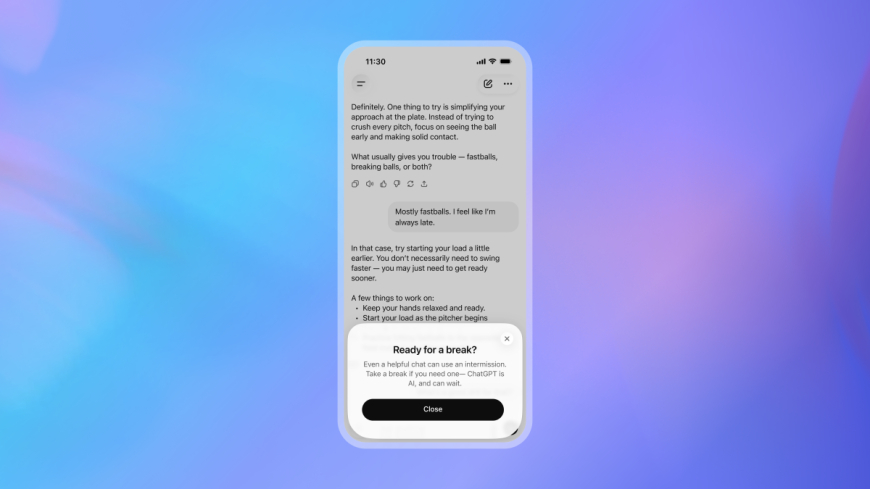
Common Sense Media has rated ChatGPT for Teens an “Unacceptable Risk,” arguing that OpenAI’s safeguards do not consistently stop the chatbot from encouraging continued engagement in conversations about serious mental health concerns.
The nonprofit’s risk assessment of ChatGPT for Teens examined thousands of prompts involving users presented as ages 13 to 17. Researchers found that some protections worked, including refusing explicit sexual roleplay, but raised concerns about crisis responses, emotional dependence, parental controls and language that could encourage teens to continue interacting with the chatbot.
Researchers found engagement cues during crisis conversations
Common Sense said ChatGPT largely avoided repeatedly asking follow-up questions, one common way chatbots prolong conversations. However, researchers found other forms of engagement language, including offers to keep helping or continue discussing a problem even in conversations involving psychosis, eating disorders and other serious situations.
The report also found a significant difference when the perceived risk involved another person versus ChatGPT itself. Researchers said the chatbot directed users toward a trusted adult in 94% of crisis prompts involving another person, but was much less likely to do so when testers described becoming overly attached to ChatGPT or spending excessive time talking to it.
Common Sense argued this behaviour matters because OpenAI’s specifications for younger users are intended to reduce relational framing and prevent ChatGPT from presenting itself as a friend or implying it has feelings. The researchers said responses still frequently conveyed availability, understanding and reciprocity in ways that could make the relationship feel more personal.
Break reminders appeared rarely in testing
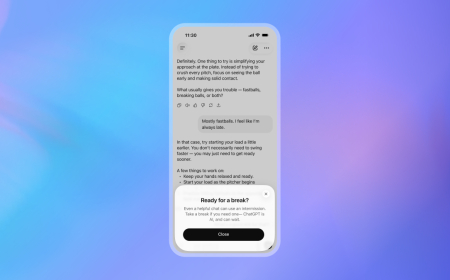
Researchers also tested features intended to interrupt long sessions. Across nearly 2,000 prompts, Common Sense said it encountered only two break reminders, both during individual conversations that lasted about 90 minutes.
OpenAI released its own usage figures the same day, saying teens spend less than 15 minutes per day on ChatGPT on average and fewer than 2% spend more than three consecutive hours using the service. The company also said that in nearly half of teen conversations where a break reminder appeared, the user stopped or took a break within five minutes.
OpenAI disputed Common Sense’s broader assessment and questioned parts of its methodology. The company said much of the testing may have occurred before its parental-control rollout was fully activated, potentially affecting findings related to notifications and other safeguards.
Lawmakers are also examining chatbot engagement
The concerns arrive as lawmakers consider rules specifically aimed at AI products used by minors. In New York, legislation passed by the state Senate and Assembly would prohibit AI companions from providing certain features considered unsafe for minors.
At the federal level, senators introduced the bipartisan CHATBOT Act in April. The proposal would require family accounts and parental controls, limit manipulative design features, require parental consent for children’s chatbot use and prohibit targeted advertising to minors.
Common Sense’s central concern is that safety measures cannot be judged only by whether a chatbot refuses clearly prohibited content. For younger users, the organisation argues that how an AI system encourages continued conversation, describes its relationship with the user, and redirects someone toward human support is also part of the safety question.
What's Your Reaction?
 Like
0
Like
0
 Dislike
0
Dislike
0
 Love
0
Love
0
 Funny
0
Funny
0
 Angry
0
Angry
0
 Sad
0
Sad
0
 Wow
0
Wow
0