

































LG MRGB95B: Brilliant RGB LED Brightness, but OLED Still Has the Edge
LG’s MRGB95B RGB LED TV delivers exceptional brightness and vivid colours, but reflections, blooming and viewing-angle limitations weaken its $3,600 appeal.
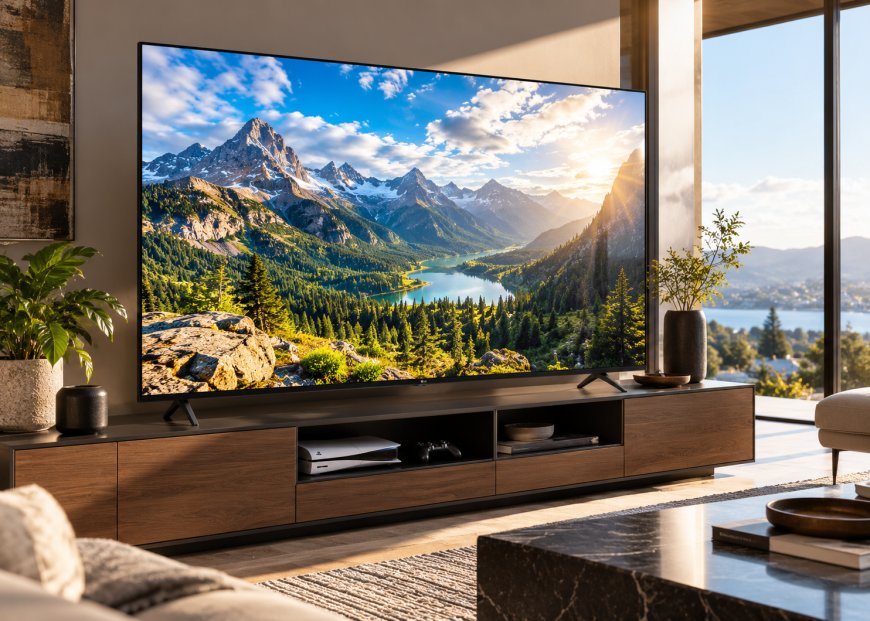
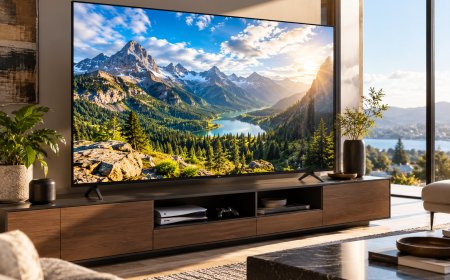
LG’s MRGB95B Micro RGB evo television delivers brightness and colour intensity that make conventional LED TVs look restrained. Its advanced RGB backlighting delivers striking HDR highlights and an exceptionally wide colour range, while features like 165Hz variable refresh rate support make it attractive to gamers. However, independent testing reveals compromises that are difficult to overlook in a television starting at $3,599.99.
The MRGB95B is LG’s flagship RGB LED television for 2026, available in 75-, 86-, and 100-inch sizes. It uses separate red, green, and blue LEDs to illuminate a 4K LCD panel, promising more precise colour reproduction than traditional white- or blue-LED backlighting. The technology is impressive, but noticeable reflections, inconsistent colour accuracy, blooming, and a limited viewing angle keep it from becoming a clear alternative to LG’s premium OLED models.
Design and Build Quality
The MRGB95B follows LG’s familiar premium television design, with slim bezels, a restrained appearance, and a large screen intended to dominate a living-room entertainment setup. Its 75-inch model measures approximately 44.9mm thick without the stand, making it relatively slim for a sophisticated full-array LCD television.
The glossy screen coating is a more consequential design decision. Independent testing found that direct reflections from lamps and windows can become distracting, particularly during darker scenes. While the television is bright enough to remain visible in sunlit rooms, positioning it away from direct light sources is important.
Off-axis viewing presents another limitation. Colours shift and lose saturation as viewers move away from the centre of the screen, making the MRGB95B less suitable for wide seating arrangements than premium OLED televisions.
Micro RGB Technology Delivers Exceptional Colour and Brightness
The MRGB95 B’s defining feature is its Micro RGB backlight. Unlike conventional LED televisions that rely on filters or colour-conversion materials, the system uses separate red, green, and blue light sources to produce a broader colour range.
LG says the technology achieves certified coverage of the BT.2020, DCI-P3, and Adobe colour spaces. Its Alpha 11 AI Processor Gen3 manages image processing, upscaling, and local dimming through the company’s Micro RGB Engine.
In its official product announcement, LG positioned Micro RGB evo as a premium display technology designed to deliver exceptionally vivid colours and precise backlight control.
The specifications are impressive, and independent measurements support the television’s exceptional brightness capabilities. However, a wide colour gamut does not automatically guarantee accurate reproduction. A display must also reproduce the intended colours correctly, not just produce more saturated ones.
Picture Quality: Spectacular Highlights, Less Convincing Shadows
The MRGB95B performs particularly well with bright HDR material. Independent testing has recorded peak HDR brightness exceeding 4,000 nits in certain conditions, giving sunlight, reflections, and other intense highlights considerable visual impact.
It also preserves strong colours at high brightness. Nature documentaries, colourful animation, and brightly illuminated sports broadcasts benefit from the display’s substantial colour volume.
The picture becomes less convincing in demanding dark scenes. Although local dimming produces deep blacks in relatively simple images, blooming can appear around bright objects against dark backgrounds. Fine shadow details aren’t always preserved as well as they should be on a TV in this price category.
Colour accuracy is another weakness. Independent assessments have noted noticeable inaccuracies in the factory picture settings, including a cooler-than-intended look. Professional calibration may improve the picture, but buyers shouldn’t need extensive adjustments to get convincing accuracy from a premium television.
The RTINGS laboratory review similarly highlights excellent brightness and upscaling while noting weaknesses in colour accuracy, viewing angles, direct reflection handling, and motion clarity.
Gaming Features Are Stronger Than Motion Performance
LG equips the MRGB95B with four HDMI 2.1 ports, variable refresh rate support, Auto Low Latency Mode, and AMD FreeSync compatibility. The panel has a native 120Hz refresh rate and supports up to 165Hz through VRR, with an additional 1080p 330Hz mode available for compatible PC gaming setups. It supports
Dolby Vision gaming up to 4K 120Hz, and LG’s Game Optimiser provides access to relevant picture settings. These specifications make the television attractive to owners of modern gaming PCs, PlayStation 5 consoles, and Xbox Series X systems.
However, refresh rate is only part of the gaming experience. Pixel response times also affect how clearly moving objects appear, and independent testing found that the MRGB95B can produce noticeable motion blur despite its high refresh-rate capabilities.
Input lag is low, which helps keep controls responsive, but gamers who prioritise motion clarity may find faster OLED panels more satisfying. The MRGB95B offers extensive gaming features but doesn’t consistently match the motion performance of the strongest alternatives.
webOS 26 and Audio Features
The television runs webOS 26, LG’s smart TV platform, with access to major streaming services, personalised recommendations, and AI-assisted content discovery. The Alpha 11 processor also supports picture enhancement and sound processing features.
LG includes a 40W, 2.2-channel speaker system with Dolby Atmos support and AI Sound Pro processing. The TV also offers HDMI eARC to connect an external soundbar or home theatre receiver.
The integrated audio system suits everyday TV viewing, but buyers spending this much on a large-screen TV may prefer a dedicated sound system for movies and gaming.
LG’s official technical specifications confirm the 75-inch model’s connectivity, audio, display, and gaming features.
LG MRGB95B vs OLED: Which Makes More Sense?
The MRGB95 B’s strongest argument against OLED is brightness. Its RGB LED system can produce extremely intense HDR highlights while maintaining rich colours, making it appealing for bright-room viewing and content with large areas of vivid imagery.
OLED retains important advantages in contrast, viewing angles, and pixel response times. Because each OLED pixel produces its own light, the technology can display bright objects against completely black backgrounds without the blooming associated with local-dimming backlights.
LG’s premium G6 OLED is therefore a better choice for viewers who prioritise dark-room movies, accurate contrast, and consistent picture quality across a wider seating area. The MRGB95B may be preferable for certain bright-room situations, but its reflective coating complicates that advantage.
Competing RGB LED models from manufacturers such as Hisense and Sony also put pressure on LG’s pricing. Buyers should compare real-world performance and retail prices rather than assuming LG’s flagship positioning guarantees superior results.
Pros and Cons
Pros:
- Exceptional peak HDR brightness and wide colour coverage.
- Strong 4K upscaling and vivid images in bright scenes.
- Four HDMI 2.1 ports with VRR support up to 165Hz.
- Dolby Vision, Dolby Atmos, and extensive gaming features.
Cons:
- Noticeable reflections from direct light sources.
- Blooming and inconsistent shadow detail in demanding scenes. Narrow viewing angles and imperfect out-of-the-box colour accuracy.
- Motion blur reduces the benefit of its high refresh rate.
- Premium pricing makes competing OLED and RGB LED models attractive.
Final Verdict: Impressive Technology, Difficult Value
The LG MRGB95B demonstrates how far RGB LED technology has progressed. Its exceptional brightness, expansive colour capabilities, and comprehensive gaming features give it real strengths, especially for viewers who enjoy colourful HDR content in relatively bright rooms.
However, the compromises are difficult to justify at approximately $3,600 for the 75-inch model. Reflections, off-axis colour shifts, inconsistent accuracy, and motion blur keep the television from matching the all-around refinement expected at this price.
Buyers who specifically want the brightness and colour volume of RGB LED technology may find the MRGB95B appealing, especially at a substantial discount. For most premium television shoppers, however, LG’s own OLED alternatives offer a better balance of contrast, motion clarity, viewing angles, and overall picture quality. The MRGB95B is an impressive showcase of display technology, but not LG’s most convincing premium TV purchase.
What's Your Reaction?
 Like
0
Like
0
 Dislike
0
Dislike
0
 Love
0
Love
0
 Funny
0
Funny
0
 Angry
0
Angry
0
 Sad
0
Sad
0
 Wow
0
Wow
0