




























Elon Musk Targets Mukesh Ambani as Starlink’s India Launch Stalls
Elon Musk targets Mukesh Ambani over Starlink’s delayed India launch, while officials deny favouritism and cite pending security checks for satellite firms.
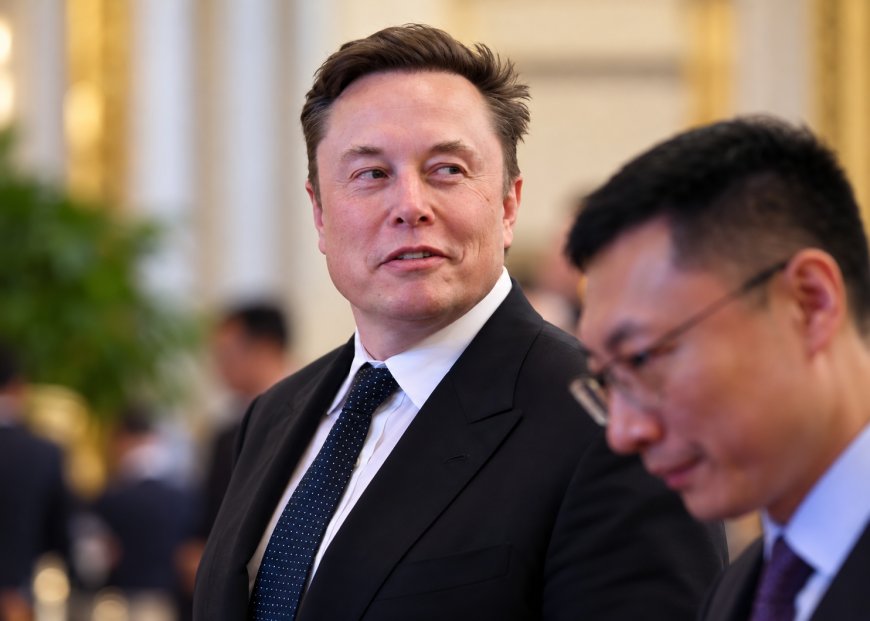
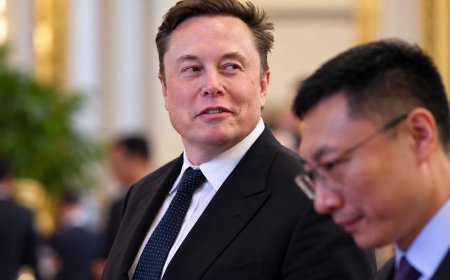
Elon Musk has intensified his criticism of Mukesh Ambani, accusing the Reliance Industries chairman of blocking Starlink’s entry into India as SpaceX continues to wait for permission to launch commercial satellite internet services. Indian officials have rejected the allegations, maintaining that all satellite operators face the same regulatory requirements.
In a Friday post on X, Musk sarcastically addressed Ambani as India’s prime minister and accused him of protecting his telecom interests from competition. Musk argued that Starlink could bring internet access to underserved communities, support children’s education and help small businesses reach international customers.
The comments followed earlier accusations that unnamed business interests were delaying Starlink’s launch. Musk also questioned Ambani’s political influence on Thursday, asking whether the billionaire was effectively running India. He provided no evidence that Ambani had interfered with the approval process.
India Rejects Musk’s Claims Over Starlink Delays
India’s Ministry of Communications has defended its satellite licensing process as fair and nondiscriminatory. According to Reuters, Telecom Minister Jyotiraditya Scindia said Friday that India does not permit monopolies in any sector.
Starlink has secured important regulatory approvals but still needs to complete security assessments and receive satellite spectrum before beginning commercial operations. The ministry said three licensed satellite operators, including Starlink, remain at broadly the same regulatory stage.
SpaceX has spent years pursuing approval in India. In 2025, it signed separate distribution agreements with Reliance Jio and Bharti Airtel, allowing the telecom operators to offer Starlink services once regulatory requirements were satisfied.
Satellite Spectrum Dispute Adds to Competition
Starlink and Reliance Jio previously disagreed over how India should allocate satellite spectrum. Musk’s company supported administrative allocation, while Jio advocated an auction. The government ultimately adopted Starlink’s preferred administrative approach.
Both Reliance Jio and Bharti Airtel are developing satellite connectivity businesses. Jio has partnered with Luxembourg-based SES, while Airtel holds a major stake in Eutelsat OneWeb, another operator seeking commercial approval in India.
The dispute also reflects the economic influence of India’s largest conglomerates. A Wall Street Journal report previously examined how major business groups, including Reliance Industries, participate in large projects central to Prime Minister Narendra Modi’s economic agenda. That relationship does not support Musk’s allegations that India interfered with Starlink’s approval process.
Musk Faces Separate Challenges With Tesla in India
Starlink is not Musk’s only business facing difficulties in India. Tesla entered the country’s passenger vehicle market in 2025 but recorded just 699 vehicle registrations in its first 12 months of deliveries, according to Electrek.
High import duties initially pushed the Model Y’s Indian launch price to nearly twice its U.S. equivalent, as The Economic Times reported. Tesla has since reduced prices and expanded its lineup, though its vehicles remain positioned in India’s premium market.
For Starlink, the immediate obstacle remains regulatory clearance, not a confirmed decision to deny market access. Indian authorities maintain that security checks and spectrum allocation must be completed before the company can begin serving customers commercially.
What's Your Reaction?
 Like
0
Like
0
 Dislike
0
Dislike
0
 Love
0
Love
0
 Funny
0
Funny
0
 Angry
0
Angry
0
 Sad
0
Sad
0
 Wow
0
Wow
0