




























Trump approves scaled-back AI oversight order following industry pushback
President Trump signed a narrower AI executive order that introduces voluntary government reviews of advanced AI models after concerns from technology companies.
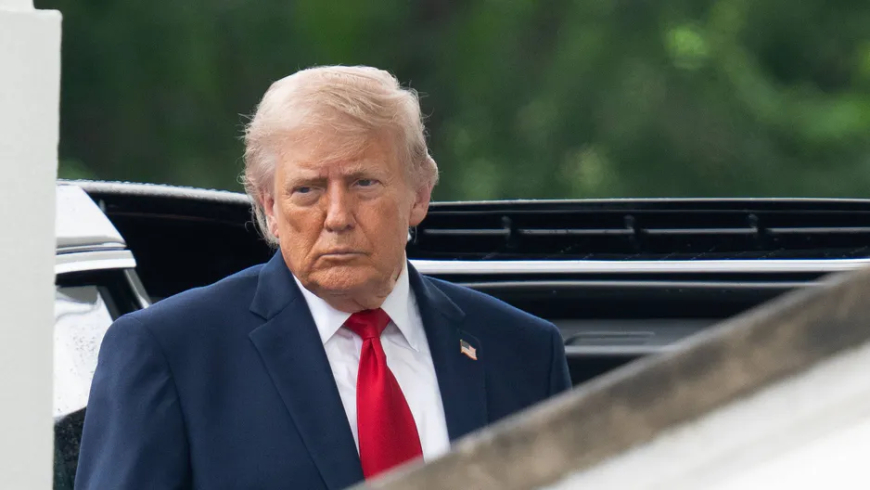
Donald Trump signed a new executive order on Tuesday that allows the U.S. government to review advanced artificial intelligence models before they are released to the public.
Under the order, certain AI companies will be asked to voluntarily provide their new AI models to the government for testing or evaluation 30 days before public release. The final version represents a scaled-back approach compared with an earlier draft, which proposed a voluntary review period of up to 90 days before launch. Industry representatives had argued that such a lengthy review process could slow innovation, with some advocating for a much shorter timeframe of roughly two weeks.
Trump had originally been expected to sign the stricter version of the executive order in late May. However, the administration delayed the move following pushback from members of the technology and investment communities, including venture capitalist and former White House AI adviser David Sacks.
At the time, Trump indicated that he did not want to introduce measures that could hinder American AI companies as they compete with rivals in China. The revised order reflects that position by emphasising the voluntary nature of the review process.
A key section of the executive order states: “Nothing in this section shall be construed to authorise the creation of a mandatory governmental licensing, preclearance, or permitting requirement for the development, publication, release, or distribution of new AI models, including frontier models.”
The administration had initially planned to hold a public signing ceremony attended by several leading Silicon Valley executives. Instead, Trump ultimately signed the revised version of the order privately.
Beyond the voluntary review framework, the executive order also directs the United States Department of Justice to treat AI-related criminal activity as a higher enforcement priority. This includes offences such as AI-assisted hacking, unauthorised system access, and other cybercrimes that leverage artificial intelligence technologies.
The order represents another step in the administration’s broader effort to establish a national approach to AI governance. It is not Trump’s first executive action focused on the rapidly evolving technology sector.
In December, the president signed a separate executive order calling for the development of a unified national AI policy framework, often described as “one rulebook.” That initiative was designed to create a federal approach to artificial intelligence regulation and potentially prevent a patchwork of differing AI laws from emerging at the state level.
The latest executive order reflects an attempt to balance government oversight of increasingly powerful AI systems with industry concerns about maintaining innovation, competitiveness, and rapid product development in the global race for artificial intelligence leadership.
What's Your Reaction?
 Like
0
Like
0
 Dislike
0
Dislike
0
 Love
0
Love
0
 Funny
0
Funny
0
 Angry
0
Angry
0
 Sad
0
Sad
0
 Wow
0
Wow
0