



































Why Ferrari’s First Electric Car Won’t Be Built for the Mass Market
Ferrari is preparing to launch its first fully electric supercar, combining luxury performance, advanced technology, and exclusive craftsmanship. The upcoming EV is expected to target high-end buyers rather than mainstream drivers, continuing Ferrari’s tradition of limited-production excellence.
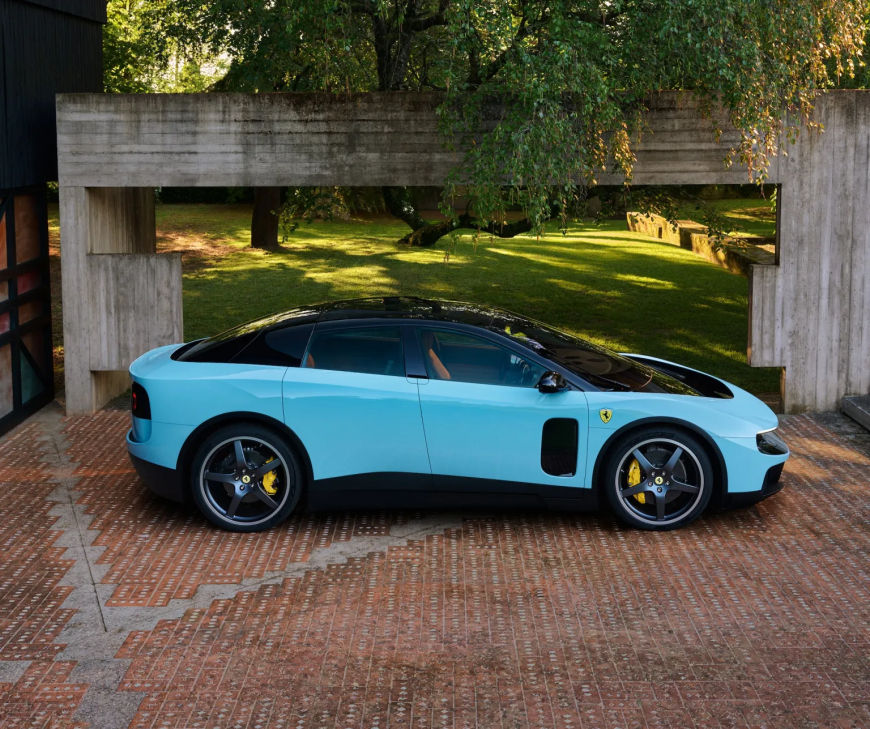
Ferrari has finally revealed its first fully electric vehicle, the Luce, and the reaction has been anything but subtle. The unveiling of the new EV on Monday immediately sparked strong opinions online, with many critics questioning both its unusual styling and the audience Ferrari is trying to attract.
The Luce, a five-seater electric vehicle designed with significant input from legendary designer Jony Ive and his design firm LoveFrom alongside Marc Newson, delivers impressive performance figures on paper. The car reportedly produces 1,000 horsepower and can accelerate from 0 to 60 miles per hour in just over two seconds. Despite those numbers, the wedge-like design and unconventional appearance have drawn comparisons to mainstream vehicles rather than traditional Ferrari supercars, leading to widespread criticism across social media and automotive communities.
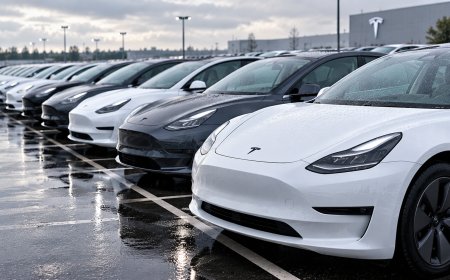
The response has been so intense that some observers are already comparing the backlash to the reception the Tesla Cybertruck received after its debut. Even financial markets appeared cautious, with Ferrari's stock slipping following the announcement. Several major publications also acknowledged the divisive nature of the design, with some describing the car as a dramatic departure from Ferrari's traditional identity.
The biggest question surrounding the Luce is simple: who exactly is this car built for?
At an estimated starting price of around $650,000, the vehicle is clearly not aimed at the average consumer. Ferrari has always catered to an ultra-wealthy and highly selective customer base, making ownership itself a status symbol. Yet even among existing Ferrari enthusiasts, there appears to be uncertainty about the appeal of an electric model that abandons many of the aggressive styling cues and characteristics traditionally associated with the brand.
Historically, Ferrari's core buyers have been repeat customers. More than 80% of Ferrari buyers already own at least one Ferrari, making loyalty a major part of the company's business model. However, the Luce appears to be taking a different approach. Ferrari executives have openly acknowledged that the company expects the vehicle to appeal to people who already own electric cars rather than its traditional customer base.
That strategy points toward a broader market shift and possibly a new geographic focus. One of the strongest theories surrounding the Luce is that Ferrari is aiming directly at China, currently the world's largest electric vehicle market. Although Chinese buyers have historically accounted for a relatively small share of Ferrari's overall sales, the company has sought to strengthen its position in the region as demand for EVs continues to grow rapidly.
Viewed through that lens, the Luce's styling begins to make more sense. The design language shares similarities with several premium electric vehicles emerging from China's rapidly evolving automotive industry. Ferrari may be attempting to create a vehicle that feels more familiar to luxury EV buyers in that market while still carrying the prestige of the iconic prancing horse badge.
Regulatory pressure may also be playing a role in Ferrari's decision-making. The European Union plans to impose stricter restrictions on the sale of new internal combustion engine vehicles by 2035, forcing luxury automakers to rethink their future product lineups. During an interview discussing the project, I've reportedly compared Ferrari's current challenge to the transition Swiss luxury watchmakers faced when quartz technology disrupted traditional mechanical watches.
According to comments shared from one of Ive's private design books, he suggested that brands survived technological shifts by adapting rather than resisting change entirely. He also noted that Ferrari's challenge becomes even more complicated when governments effectively mandate a transition toward electric technology.
Still, Ferrari insists the Luce is more than simply a compliance vehicle created to satisfy regulators. Company executives have stated that they expect the EV to be profitable from the beginning. Ferrari's marketing leadership has also openly admitted that the company intentionally wanted the Luce to be "polarising," suggesting the strong public reaction may have been anticipated from the start.
Ultimately, the Luce may represent Ferrari's attempt to redefine its future rather than preserve its past. The company appears willing to risk alienating some traditional enthusiasts in exchange for attracting a new generation of wealthy electric-vehicle buyers, particularly in markets where EV adoption is accelerating.
Whether that gamble succeeds remains uncertain. China's EV market is already crowded with advanced, high-performance electric vehicles that often cost far less than the Luce. Ferrari is betting that luxury buyers will still pay a premium for exclusivity, heritage, and the Ferrari badge — even in an era increasingly dominated by electric mobility.
What's Your Reaction?
 Like
0
Like
0
 Dislike
0
Dislike
0
 Love
0
Love
0
 Funny
0
Funny
0
 Angry
0
Angry
0
 Sad
0
Sad
0
 Wow
0
Wow
0