



































Why the Electrical Grid Needs More Software
Learn why the electrical grid needs more software to handle the increasing power demand, optimise resources, and modernise outdated infrastructure. Software startups are leading the charge.

One of the nicest comments people have made about the electrical grid was... nothing. The grid works best when it fades into the background.
However, this low-profile status has changed in recent years as fires in California and freezes in Texas raised awareness about the importance of the electrical grid. But it wasn't until 2025 that the grid—and concerns about demand, supply, pricing, and the strain on natural resources—came into focus. A new batch of startups has emerged, offering software-as-a-solution pitches to help address these challenges.
Electricity rates have risen 13% in the U.S. this year, mainly driven by an AI boom that has reached even unlikely sectors. This includes repurposing supersonic jet engines for data centres and exploring ways to beam solar power to space.
This rate of growth is expected to continue. The electricity consumption of data centres is projected to nearly triple over the next decade. This forecast has fueled consumer frustration with rising prices and drawn the ire of environmental groups, who have called for a nationwide moratorium on new projects. Utilities, which have traditionally worked in the background, are now scrambling to upgrade the grid and build new power plants that can cope with the increasing load — all while the fear of an AI bubble bursting looms in the background.
This combination of increasing demand and mounting fear could provide a significant boost to software startups in the coming year.
Software Solutions to Optimise the Grid
For instance, startups such as Gridcare and Yottar argue that there is already spare capacity on the grid and that software can help identify it.
Gridcare has gathered data on transmission and distribution lines, fibre-optic connections, extreme weather, and community sentiment to optimise the search for new locations and persuade utilities that the grid can handle increased load. The company claims it has already identified several such overlooked sites.
Yottar, on the other hand, identifies where existing capacity overlaps with the needs of medium-sized users, enabling them to connect to the grid quickly amid the data centre boom.
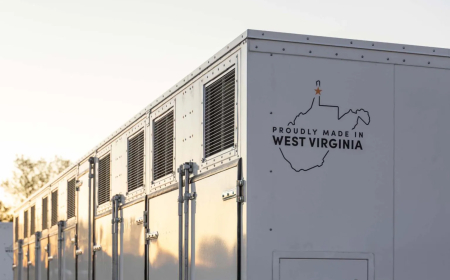
Several other startups are using software to link massive fleets of batteries scattered across the grid. These startups can turn these fleets into virtual power plants, delivering power to the grid when it's needed most.
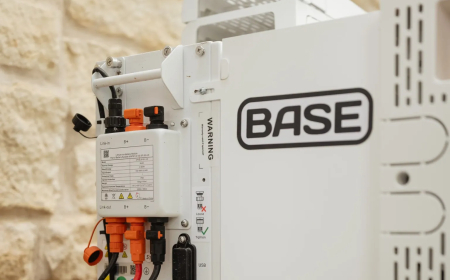
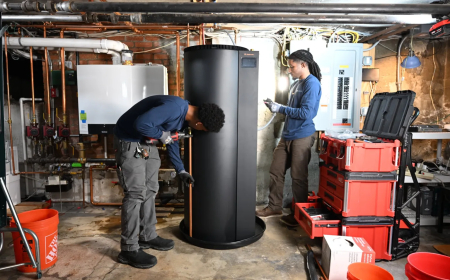
For example, Base Power is building a virtual power plant in Texas by leasing batteries to homeowners at relatively low prices. Homeowners can use the batteries for backup power during outages. At the same time, Base Power can tap into them to prevent further outages by selling the aggregated capacity to the grid. Terralayr operates similarly, but instead of selling batteries, it uses software to bundle distributed storage assets already installed on the German grid.
Other startups, including Texture, Uplight, and Camus, are developing software layers to integrate and coordinate distributed energy sources like wind, solar, and batteries. The hope is that by orchestrating various assets, these startups will reduce idle time and contribute more to the grid.
Modernising the Grid with Software
There's also some hope that software can help modernise some of the grid's more outdated components.
For instance, Nvidia has partnered with EPRI, a power-industry R&D organisation, to develop industry-specific models to improve efficiency and resilience. Meanwhile, Google is working with the grid operator PJM to use AI to sift through its backlog of connection requests from new electricity sources.
These changes won't happen overnight, but 2026 could be the year when they begin to take hold.
Slow Adoption, But High Potential
Utilities tend to be slow to adopt new technologies due to concerns about reliability. They are also hesitant to invest in new infrastructure because it is costly and has a long lifespan. Ratepayers and regulators often baulk when such projects begin to affect affordability.
However, software is cheaper and faster to deploy. If it can pass the reliability hurdle, the companies offering these software solutions will have a strong chance of gaining traction.
And this could benefit more than just the software startups. The grid urgently needs refurbishment and expansion. With the growing number of planned data centres and the electrification of sectors such as transportation and heating, additional power will be required. Ignoring the potential of software would be foolish. It's affordable, flexible, and quick to deploy.
What's Your Reaction?
 Like
0
Like
0
 Dislike
0
Dislike
0
 Love
0
Love
0
 Funny
0
Funny
0
 Angry
0
Angry
0
 Sad
0
Sad
0
 Wow
0
Wow
0