







































Convective Capital Secures $85 Million Fund to Strengthen Disaster Preparedness and Climate Resilience
Convective Capital has raised an $85 million fund focused on disaster resilience, investing in startups developing technologies for wildfire prevention, climate adaptation, emergency response, and infrastructure protection.
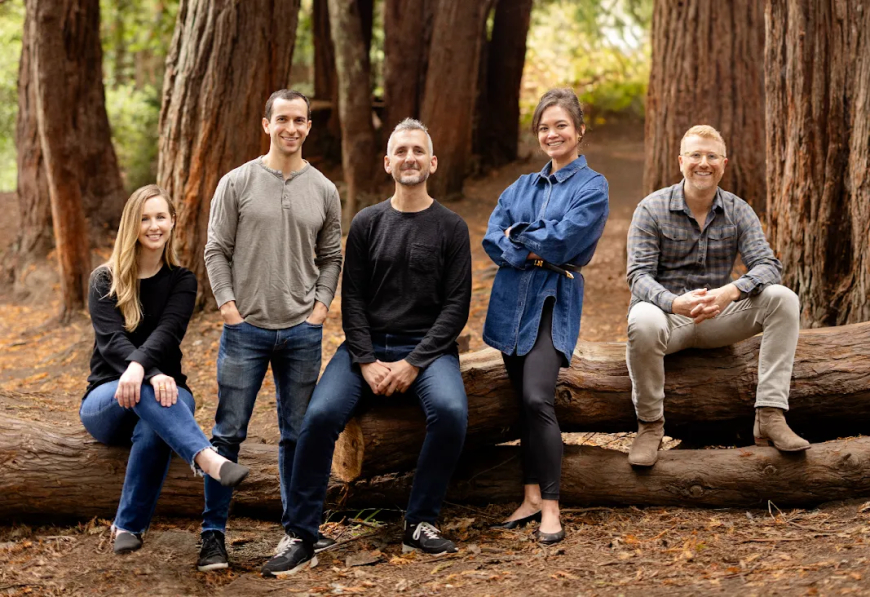
As wildfire season arrives earlier than usual in California and climate-related disasters continue to increase worldwide, investors are showing growing interest in technologies designed to reduce risk and improve resilience. Against that backdrop, Convective Capital has announced a new $85 million investment fund focused on disaster mitigation and infrastructure resilience.
The new fund follows Convective's inaugural $35 million fund raised in 2022. While the firm's first vehicle was largely supported by high-net-worth individuals—including founder Bill Clerico, who previously co-founded WePay before its $300 million acquisition by JPMorgan Chase in 2017—the latest fund has attracted significant institutional backing from insurance companies, asset managers, and other large investors.
Convective originally focused on what it called "firetech," investing in startups developing solutions for wildfire prevention and response. Its portfolio includes companies such as Pano, which uses AI-powered camera systems to detect fires early; Raine, which develops autonomous aircraft for wildfire suppression; BurnBot, which builds robots that clear vegetation and brush; and Stand, an insurer focused on helping homeowners reduce wildfire risks.
With its new fund, Convective is broadening its investment strategy beyond wildfire-related technologies. The firm now describes its mission as supporting solutions that strengthen resilience and improve risk management across the physical world.
According to Clerico, the scale of the challenge has created substantial opportunities for innovation. He points to approximately $60 trillion in real estate exposed to disaster risk and to annual U.S. spending of roughly $1 trillion on disaster mitigation and recovery efforts. As utilities face financial pressure, insurers withdraw from high-risk markets, and climate-related events become more frequent, new markets are emerging for technology-driven solutions.
The first four investments from the new fund reflect that broader strategy. They include The Lumber Manufactory, which is developing timber mills to improve the economics of forest management; Drafted, which uses artificial intelligence for residential design; Voltaire, a Y Combinator-backed startup building drones to inspect power lines; and Edge Technologies, which is creating insurance products designed to hedge against commodity price volatility.
Convective says its first fund has already produced promising results. Portfolio companies have collectively generated approximately $100 million in revenue and reached a combined valuation of around $2 billion. Clerico noted that 79% of the fund's startups progressed from seed funding to Series A financing, a figure that exceeds typical industry averages.
Even with that momentum, disaster resilience remains an emerging investment category. Convective has spent considerable effort helping startups build relationships with industries that can be challenging for young companies to navigate, including utilities, insurance providers, and government agencies.
One major focus has been encouraging insurance companies to invest in technologies that can reduce disaster-related losses. Clerico believes that trend is beginning to gain traction, aided by newer insurance-focused startups such as Stand and Delos, which are helping reshape the sector.
He argues that a new generation of insurers is entering markets where traditional providers have reduced their presence, creating opportunities for both investors and companies offering risk-reduction technologies. At the same time, these developments are encouraging established insurers to rethink long-standing business models.
Artificial intelligence is also playing a growing role within Convective's portfolio. Clerico said AI tools are helping startups operate more efficiently while enabling new applications such as wildfire detection through sensor networks and advanced disaster simulations. However, he noted that the rapid expansion of AI infrastructure is also generating demand for many of the solutions his portfolio companies provide.
The construction of large-scale data centres is putting increasing pressure on energy grids, water systems, and other critical infrastructure. According to Clerico, that added strain is creating additional market opportunities for companies focused on resilience, risk mitigation, and physical infrastructure management.
As climate-related risks continue to rise and infrastructure systems face growing demands, Convective Capital is betting that technologies designed to protect communities, property, and essential services will become an increasingly important investment category in the years ahead.
What's Your Reaction?
 Like
0
Like
0
 Dislike
0
Dislike
0
 Love
0
Love
0
 Funny
0
Funny
0
 Angry
0
Angry
0
 Sad
0
Sad
0
 Wow
0
Wow
0