




































DDR4 RAM Makes a Comeback as Intel and AMD Revive Older PC Platforms
Rising DDR5 prices are reviving DDR4 platforms as Intel prepares new LGA 1700 processors for 2027 and AMD’s AM4 ecosystem receives renewed support.
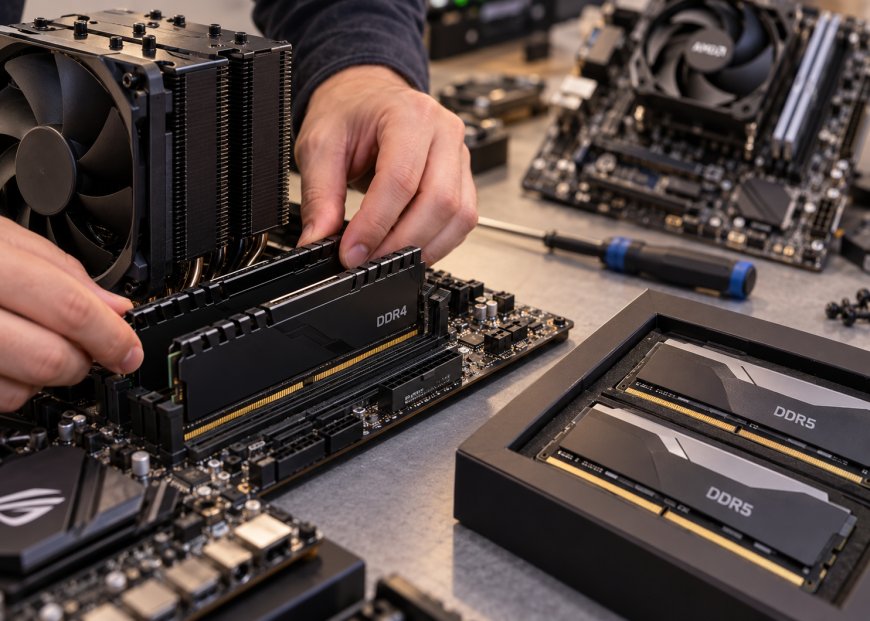
DDR4 RAM is regaining relevance as rising DDR5 prices make PC upgrades increasingly expensive. Intel is preparing another generation of processors for its older LGA 1700 platform, while AMD continues supporting the DDR4-based AM4 ecosystem. Together, these developments give PC builders more reasons to reconsider hardware that seemed close to retirement.
On October 9, Gigabyte confirmed that its Intel B760 and H610 motherboards will support upcoming LGA 1700 processors expected in early 2027. The compatibility update covers both DDR4 and DDR5 motherboard variants, potentially letting owners upgrade their processors without buying new memory or replacing their motherboards.
The renewed interest in DDR4 reflects a broader shift in the PC component market. Memory shortages and higher prices have raised the cost of building modern systems, making older platforms more attractive to gamers who prioritise value over the latest specs.
Intel Is Bringing New Processors to Its Older LGA 1700 Platform
Intel introduced the LGA 1700 socket in 2021 with its 12th-generation Alder Lake processors. Unlike newer desktop platforms that require DDR5 memory, LGA 1700 supports either DDR4 or DDR5 depending on the motherboard.
That flexibility has become more valuable as memory prices have climbed. Instead of replacing a motherboard, processor, and RAM at once, owners of compatible DDR4 systems may be able to upgrade only the CPU.
In its official October 9 announcement, Gigabyte confirmed that BIOS updates are available across its entire B760 and H610 motherboard lineup to support upcoming LGA 1700 processors. The company expects the new chips to arrive in early 2027.
The processors are widely reported to belong to a refreshed Raptor Lake family, sometimes described as Raptor Lake Next. However, Intel has not publicly confirmed the complete product lineup, specifications or pricing. Gigabyte’s announcement also applies specifically to its B760 and H610 boards. Owners of other LGA 1700 motherboards should not assume identical compatibility without checking their manufacturer’s support information.
AMD’s AM4 Platform Is Also Getting Another Chance
AMD is taking a similar approach by extending the usefulness of its established AM4 platform. Although the company’s newer AM5 processors use DDR5 memory, AM4 still supports DDR4 and remains relevant for affordable desktop gaming systems.
At Computex 2026, AMD brought back the Ryzen 7 5800X3D in a 10th Anniversary Edition priced at $349. Thee eight-core processor uses AMD’s 3D V-Cache technology, which made the original model a popular gaming upgrade for existing AM4 owners.
The renewed availability of compatible processors and motherboards gives buyers an alternative to purchasing an entirely new DDR5-based system. AMD has also continued supporting AM5, maintaining multiple platform options rather than abandoning its newer architecture.
Industry reporting from Tom’s Hardware indicates that motherboard manufacturers and memory suppliers have been adjusting production plans in response to stronger DDR4 demand.
For existing AM4 users, upgrading to a compatible processor can be significantly less disruptive than moving to AM5. However, buyers should verify motherboard BIOS requirements, processor availability and total upgrade costs before deciding.
Why DDR5 Prices Are Driving the DDR4 Comeback
DDR5 offers technical advantages over DDR4, including higher memory bandwidth and improved power-management architecture. Those benefits can matter in applications sensitive to memory performance, particularly when paired with newer processors.
However, DDR5’s price premium has become increasingly difficult to justify for budget-focused systems. Memory shortages have affected consumer pricing, while growing demand from AI infrastructure and data centres has contributed to pressure across the broader memory industry.
Some DDR5 kits have recently cost more than twice as much as comparable DDR4 configurations, although the difference varies by capacity, speed, retailer and region. C builders must therefore decide whether the performance advantages justify the extra cost.
For many gaming systems, spending less on memory and more on a capable graphics card can produce a better overall experience. This is especially true when games are limited primarily by GPU performance rather than memory bandwidth.
DDR4 is not suddenly faster or technically superior. Its renewed appeal comes from affordability, compatibility with existing hardware, and the ability to build capable PCs without paying the full cost of moving to a newer platform.
DDR4 vs DDR5: Which Should PC Gamers Choose?
DDR4 remains a practical choice for gamers who already own compatible motherboards and memory kits. Keeping those components can substantially reduce the cost of a processor upgrade, especially when paired with established Intel or AMD hardware.
DDR5 makes more sense for buyers seeking the latest processor architectures, higher memory bandwidth and longer-term upgrade flexibility. AMD’s AM5 platform, for example, requires DDR5 but offers access to newer Ryzen processors and a more forward-looking upgrade path.
Compatibility is an important distinction. DDR4 and DDR5 modules are physically and electrically different, so you can’t swap them between standard DDR4 and DDR5 motherboard slots. Even when a processor family supports both standards, the motherboard determines which memory type you can install.
Recent PC Gamer build analysis also demonstrates that DDR4-based systems can remain competitive for everyday gaming when components are selected around a realistic budget.
For existing DDR4 owners, keeping the current platform may be the more sensible financial decision. However, those building a premium PC intended for several years of processor upgrades may still prefer DDR5 despite its higher cost.
What Intel’s 2027 Processors Mean for PC Upgrades
Gigabyte’s early BIOS support suggests that the LGA 1700 platform will remain relevant beyond its original product cycle. That could benefit users who bought 12th-, 13th-, or 14th-generation Intel systems and want more processor options without replacing compatible components.
However, the performance benefits of the upcoming processors remain unknown. Intel has not announced official benchmarks, pricing, or final specifications, so claims of substantial improvements over existing LGA 1700 CPUs would be premature.
Buyers should also distinguish motherboard compatibility from upgrade value. new processor may work with an older board but still offer only modest improvements compared with the CPU already installed.
The most important development is greater flexibility, not guaranteed performance gains. Keeping mature hardware platforms relevant gives consumers more choices when memory and motherboard prices make complete system replacements less attractive.
Final Verdict: DDR4 Still Makes Sense in 2026
DDR4’s comeback reflects today’s PC hardware market. Fewer technologies offer clear performance advantages, but those benefits matter less when memory shortages push upgrade costs beyond what many consumers are willing to pay.
Intel’s planned return to LGA 1700 and AMD’s continued AM4 support give existing DDR4 users reasons to keep their systems longer. Gigabyte’s confirmed BIOS updates matter because they create a potential upgrade path for compatible motherboards ahead of Intel’s expected early 2027 processors.
DDR5 remains the better foundation for many high-end and future-focused builds, but DDR4 is far from obsolete. For budget-conscious gamers and owners of compatible systems, keeping existing memory and investing selectively in other components may offer the best value until prices become more favourable.
What's Your Reaction?
 Like
0
Like
0
 Dislike
0
Dislike
0
 Love
0
Love
0
 Funny
0
Funny
0
 Angry
0
Angry
0
 Sad
0
Sad
0
 Wow
0
Wow
0