
































How a Smart Alarm Clock Helped Me Break the Habit of Using My Phone in Bed
Discover how switching to a dedicated smart alarm clock reduced bedtime screen time, improved sleep habits, and helped create a healthier nighttime routine without relying on a smartphone.
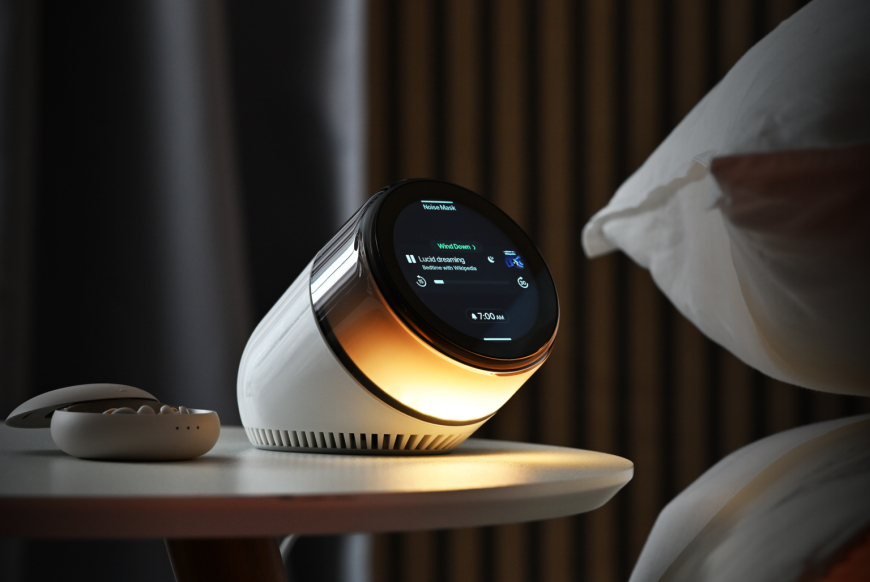
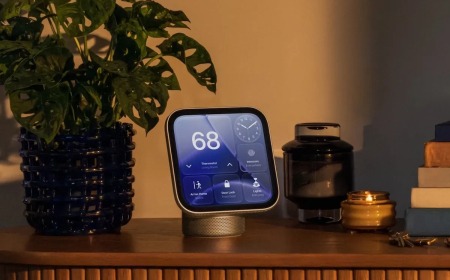
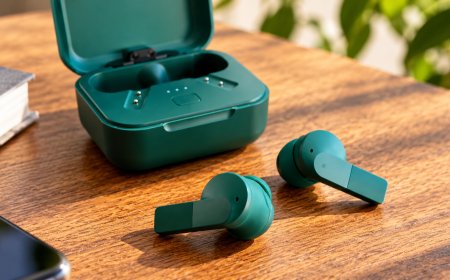
For many people, sleeping without a smartphone within arm’s reach feels almost impossible. Smartphones have become alarm clocks, entertainment hubs, and late-night companions all rolled into one. Yet keeping a phone beside the bed often comes at a cost, disrupting sleep patterns and encouraging habits that can negatively affect both mental and physical well-being. One device aimed at solving that problem is Dreamie, a smart alarm clock designed to help users separate their sleep routine from their smartphones.
For someone who had spent more than a decade sleeping with a phone on the bedside table every night, adapting to a phone-free sleeping environment seemed unlikely. Reading before bed had already become part of the nightly routine and helped create a more relaxing transition to sleep. Still, nighttime wake-ups often led back to the same habit: reaching for the phone to play a podcast or audiobook. Unfortunately, that frequently resulted in checking notifications, scrolling through apps, and staying awake far longer than intended.
Dreamie approaches this problem with a surprisingly simple idea. Unlike many premium alarm clocks that focus solely on sounds and lighting effects, Dreamie can play podcasts directly from the device. For users who rely on audio content to fall asleep or return to sleep after waking during the night, this feature becomes one of its biggest advantages.
The device functions as more than a traditional alarm clock. In its standard “ambience” mode, it displays the time like any normal bedside clock. Beyond that, it offers a customizable sleep routine built around different stages of the night.
The experience begins with a “wind down” mode that signals bedtime is approaching. Users can choose calming sounds and lighting effects, such as a softly glowing fireplace accompanied by crackling fire sounds. After a selected period, the clock automatically transitions into a continuous background sound environment. In one setup, a thunderstorm soundtrack played throughout the night until the wake-up sequence began. Morning routines include a gradual sunrise-style light that slowly brightens before the alarm sounds, creating a gentle wake-up experience.
One of Dreamie’s most practical features is its dedicated “back to sleep” mode. If a user wakes during the night, they can activate a preselected podcast, sleep soundtrack, or breathing exercise without picking up a phone. Episodes and programs can be chosen in advance, removing the temptation to browse apps while half-awake. The device also supports Bluetooth headphones for users who share a bedroom and prefer private listening.
Because Dreamie connects to Wi-Fi, it can download and stream podcasts directly from internet-based RSS feeds. This open podcast infrastructure allows the device to access a wide range of audio content without requiring users to rely on a smartphone. For podcast listeners, the setup offers a convenient alternative to reaching for a phone in the middle of the night.
The benefit becomes particularly clear for people who struggle with notification-driven habits. Many smartphone users instinctively check messages, social media alerts, or emails after unlocking their devices, even when their original intention was to start a podcast. What begins as a quick task can quickly turn into an hour or more of unnecessary screen time.
Research suggests this behaviour is widespread. Surveys have found that a large majority of adults keep their phones in their bedrooms while sleeping. For many users, reducing nighttime phone exposure can improve sleep quality and reduce late-night distractions—D Dreamie’s design aims to address this by providing essential sleep-related functions without the endless distractions of a smartphone.
Morning habits can also improve when the phone is no longer the first thing within reach. Without immediate access to social media feeds, emails, or notifications, users may find it easier to get out of bed and start their day without extra time spent scrolling.
Dreamie is positioned as a premium product with a price tag of approximately $250. While that places it well above the cost of a traditional alarm clock, the device does not require a subscription service or companion app. Its interface remains relatively simple despite offering multiple features and routines, making setup straightforward for most users.
The device is not without limitations. During testing, there were moments when specific audiobooks or audio services unavailable through Dreamie prompted a return to smartphone use. Support for platforms such as Libby or other audiobook ecosystems could further improve the experience in the future. Additional options for uploading personal audio files and downloaded content could also expand its appeal.
Another product recently gaining attention is Brick, a device designed to block access to selected smartphone apps during certain hours. At a lower price point, Brick can deliver many of the same benefits by restricting distractions while still allowing access to podcasts and audiobooks. However, there remains a meaningful difference between limiting phone functionality and removing the phone from the bedroom entirely.
Ultimately, Dreamie’s greatest strength may not be its lighting effects, podcast playback, or alarm functions. Instead, it offers something many smartphone users struggle to achieve on their own: the ability to keep their phones out of reach at night. In an era where screens dominate nearly every aspect of daily life, creating even a small separation between sleep and technology can have a surprisingly positive impact on rest, focus, and overall well-being.
What's Your Reaction?
 Like
0
Like
0
 Dislike
0
Dislike
0
 Love
0
Love
0
 Funny
0
Funny
0
 Angry
0
Angry
0
 Sad
0
Sad
0
 Wow
0
Wow
0