







































Indian Startups Use Court Decision to Renew Challenges to Google’s Advertising Practices
Indian founders are leveraging a recent court ruling to reignite scrutiny of Google’s advertising business, raising concerns over competition, market dominance, and the future of digital advertising in India.
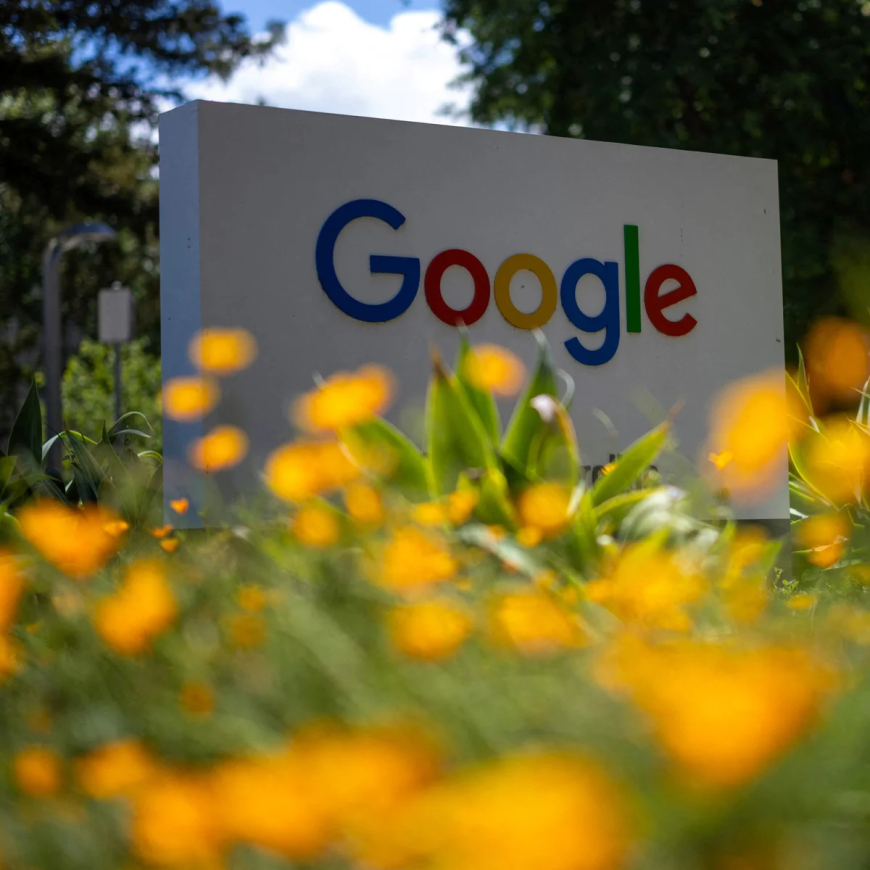
A recent court decision in India against Google’s keyword advertising practices has sparked renewed debate among startup founders, many of whom argue that competitors have long used the system to divert customers and force businesses to spend money protecting their own brands.
The ruling, issued by the Delhi High Court on May 22 in a trademark dispute involving the bathroom-fittings company Hindware, found Google liable for trademark infringement arising from its keyword advertising practices. The court awarded Hindware ₹3 million (approximately $31,600) in nominal damages.
In the 163-page judgment, Justice Mini Pushkarna rejected Google’s argument that it acted only as a passive intermediary on its search platform. The court found that Google’s AdWords system allowed competing businesses to use the “Hindware” trademark as a keyword to target users searching for the brand.
According to the judgment, Google’s practice of selling the trademark as a keyword for commercial benefit infringed Hindware’s exclusive rights under India’s Trade Marks Act.
The ruling gained wider attention after prominent Indian entrepreneurs, including Zerodha founder Nithin Kamath and Zoho founder Sridhar Vembu, publicly supported the decision. They argued that competitors have been using Google’s advertising platform for years to redirect traffic from established brands.
Kamath, who said Zerodha has faced this issue for more than a decade, noted that users searching for a company often encounter sponsored links from competitors before reaching the intended website.
Google responded that its advertising policies prohibit advertisers from using trademarked terms in ad text and that these policies apply globally. The company added that it respects local laws and addresses court orders through established legal channels when necessary.
“We look forward to continuing to align our operations with local legal frameworks while maintaining strict standards to protect our users’ long-term interests,” a Google spokesperson said.
India remains one of Google’s most important markets, with the country having the world’s second-largest internet user base after China. As a result, legal decisions affecting Google’s search and advertising businesses carry significant importance.
However, legal experts suggested that the ruling’s impact may be more limited than some public reactions indicate. Aprajita Rana, a partner at AZB & Partners, said the judgment could encourage online platforms to review whether their automated advertising systems promote trademarked terms to advertisers.
At the same time, Rana noted that the decision is unlikely to dramatically expand platform liability in India, as courts have already established that internet companies can lose legal protections when they actively engage in unlawful conduct.
According to Rana, the key aspect of the case is the court’s view that providing access to trademarked keywords for advertising purposes may constitute a platform’s active participation, even when the process occurs behind the scenes and is not directly visible to users.
What's Your Reaction?
 Like
0
Like
0
 Dislike
0
Dislike
0
 Love
0
Love
0
 Funny
0
Funny
0
 Angry
0
Angry
0
 Sad
0
Sad
0
 Wow
0
Wow
0