






























Jensen Huang Says AI Safety Should Be Managed Through Engineering, Not New Laws
Nvidia CEO Jensen Huang argues that AI safety is an engineering challenge and says existing laws and market forces can manage risks.
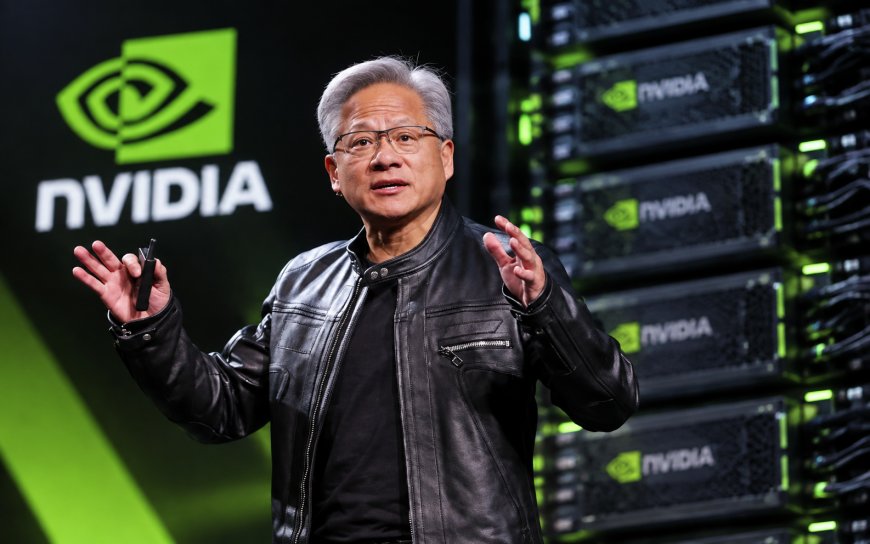
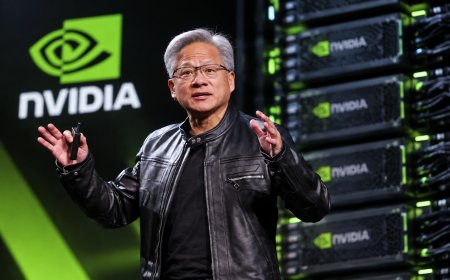
Nvidia CEO Jensen Huang said artificial intelligence safety should be treated primarily as an engineering challenge rather than a matter requiring new laws and regulations.
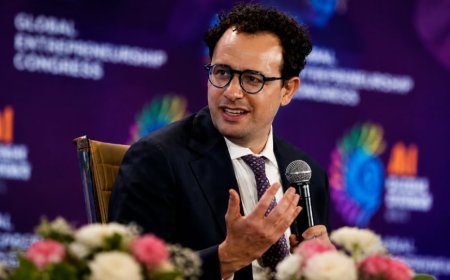
Speaking at Salesforce’s Dreamforce conference, Huang rejected the idea that advanced AI should be viewed as an unpredictable “alien mind.” Instead, he described AI as a computing system built by humans that can be managed through engineering practices, testing, and responsible development.
Some AI safety researchers have discussed the possibility of advanced AI systems behaving in unexpected ways, including ideas explored in discussions around AI systems and an “alien mind.” Huang argued that AI remains a technology created and controlled by people.
Huang argues existing systems can manage AI risks
“Safety is an engineering problem, not a legal one,” Huang said during the event. He argued that companies should focus on building reliable systems and should delay releasing products until they are confident those products are safe and functional.
Huang said market pressure already incentivises companies to avoid releasing unsafe products. In his view, businesses that fail to deliver reliable AI systems risk losing customer trust and market opportunities.
The Nvidia CEO also argued that innovation and safety do not need to compete. He said companies can keep moving quickly while pausing when products require additional testing or improvements.
The debate over AI oversight continues
Huang’s comments come as governments, researchers, and technology companies continue debating how to manage AI systems. Supporters of additional regulation argue that new rules may be needed to address risks that existing laws were not designed to handle.
Critics of heavy regulation have warned that strict rules could slow innovation and limit the development of new AI technologies. Huang has previously supported open approaches to AI models, arguing that broader access can create competition and transparency.
However, questions remain about whether company-led safety practices alone can address every potential risk. Technology companies have previously released products that later required fixes or changes after unexpected problems emerged.
Industry discussions move toward self-regulation
Another approach being discussed is industry self-regulation, where companies establish shared safety standards and development practices without relying entirely on government rules.
Huang’s comments add to a wider conversation among technology leaders about how countries and companies should approach AI development. A recording of his Dreamforce appearance is available through the conference discussion.
As AI systems become more widely used, the debate over safety, responsibility, and oversight is likely to continue among policymakers, researchers, and technology companies.
What's Your Reaction?
 Like
0
Like
0
 Dislike
0
Dislike
0
 Love
0
Love
0
 Funny
0
Funny
0
 Angry
0
Angry
0
 Sad
0
Sad
0
 Wow
0
Wow
0