




























Meta Plans to Monetise Surplus AI Computing Power Through New Cloud Business
Meta is preparing to launch a cloud business that will rent out excess AI computing power and infrastructure, creating a new revenue stream while competing with leading cloud providers.
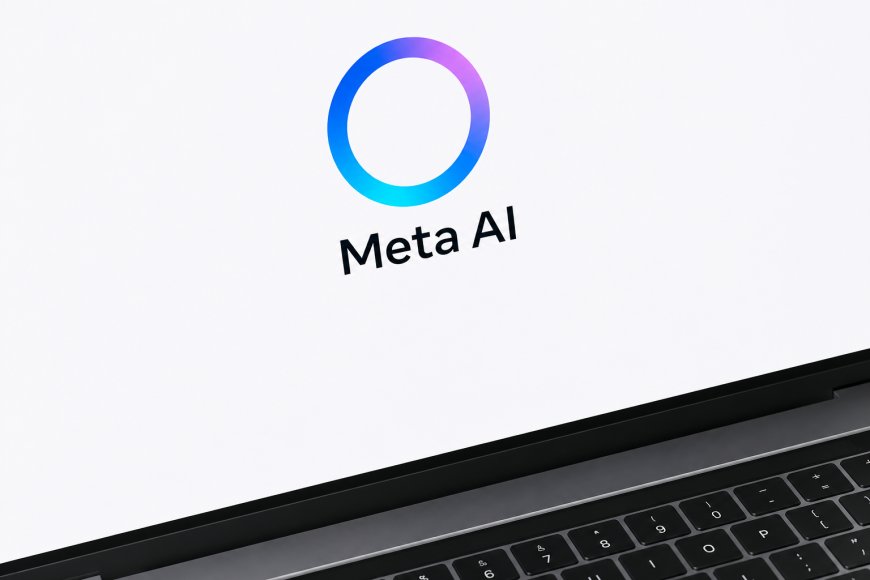
Meta has invested billions of dollars into artificial intelligence development and the construction of large-scale data centres designed to support its AI ambitions. Now, the company appears to be preparing to turn part of that enormous computing capacity into a direct revenue stream.
According to a Bloomberg report published on Wednesday, Meta is planning to launch a cloud infrastructure business that would provide customers with access to both AI computing resources and AI models. Such a move would place the company in direct competition with major cloud providers, including Amazon Web Services (AWS), Google Cloud, and Microsoft Azure.
Meta’s strategy of commercialising unused computing capacity mirrors SpaceX’s move through its AI company, xAI. Earlier this year, SpaceX reached an agreement with Anthropic to utilise the full computing capacity of its Colossus 1 data centre. Since then, SpaceX has also signed additional compute agreements with Google and Reflection AI. MMeta’sreported plans reinforce the growing belief that the biggest winners in the AI race may ultimately be those controlling the world’s largest data centre infrastructure rather than simply offering the most advanced AI models.
That assumption, however, depends on continued demand for AI computing resources and on long-term data centre economics. Some industry observers have cautioned that the current AI infrastructure boom could be creating a bubble built around expensive chips that depreciate rapidly. Others question whether AI companies will generate enough customer revenue to justify the hundreds of billions—and eventually trillions—of dollars being invested across the industry.
Despite those concerns, Meta has continued expanding its AI infrastructure at an aggressive pace. By the end of the first quarter, the company had committed approximately $182.9 billion toward AI infrastructure projects planned over the coming years. These investments include major data centre developments in Louisiana and Ohio. The Ohio facility, which CEO Mark Zuckerberg has previously said will be roughly the size of Manhattan, is expected to become operational later this year.
Unlike rivals such as Google and OpenAI, Meta has yet to demonstrate substantial commercial demand for its AI products. The company does not separately disclose revenue generated by Meta AI or its Llama family of open-weight AI models in its financial reports. Public comments from executives have largely focused on using AI internally to improve Meta’s own products and operations, suggesting that the company’s AI initiatives have not yet developed into a significant standalone revenue business.
To generate returns on its enormous infrastructure investment, Bloomberg reports that Meta is considering adopting a business model similar to CoreWeave’s, leasing raw AI computing capacity to outside customers. The report also says Meta is evaluating an approach similar to Amazon Web Services by hosting and providing access to multiple AI models, including its recently introduced closed-weight Muse Spark model, through its own infrastructure platform.
The reported initiative is expected to operate under a new division known internally as Meta Compute. According to Bloomberg, the effort will be led by Meta’s Head of Infrastructure, Santosh Janardhan; Meta Superintelligence Labs leader, Daniel Gross; and company President, Dina Powell McCormick.
The latest report aligns with comments Zuckerberg made in May, when he acknowledged that building a Meta cloud computing business was “definitely on the table” as the company looked for ways to generate returns from its massive investment in pursuing AI superintelligence.
What's Your Reaction?
 Like
0
Like
0
 Dislike
0
Dislike
0
 Love
0
Love
0
 Funny
0
Funny
0
 Angry
0
Angry
0
 Sad
0
Sad
0
 Wow
0
Wow
0