





















Midjourney Seeks Hollywood Studios’ AI Usage Records Amid Copyright Dispute
Midjourney is asking Hollywood studios to disclose how they use artificial intelligence in film and TV production as part of an ongoing copyright lawsuit. Learn what the request could mean for AI and the entertainment industry.
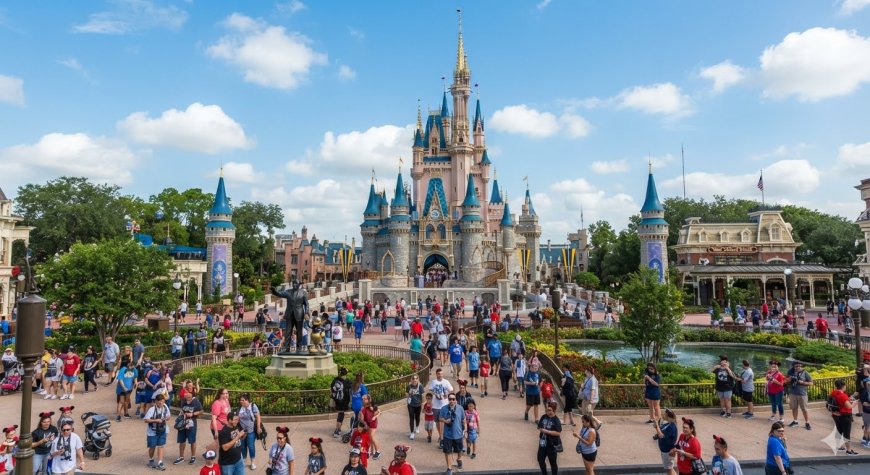
AI image-generation startup Midjourney is seeking to require several major Hollywood studios to reveal how they use artificial intelligence as part of an ongoing copyright lawsuit that has drawn significant attention across the entertainment and AI industries.
Disney and Universal first filed suit against Midjourney last year, alleging that the company infringed on their copyrights by allowing users to generate images featuring well-known characters such as Bart Simpson and Darth Vader, whose intellectual property is owned by the studios. Several months later, Warner Bros. also joined the legal battle by filing its own lawsuit against the startup.
Midjourney has consistently argued that training its AI models using images of copyrighted characters falls under the legal doctrine of fair use.
The latest disagreement centres on the discovery process, specifically the documents that the studios must provide during litigation. A judge previously ruled that Disney, Universal, and Warner Bros. would be required to disclose information about their own use of generative AI, but only in cases where that technology produced consumer-facing videos or images.
In its newest court filing, however, Midjourney is asking the court to remove that restriction. The company argues that limiting disclosure to publicly released AI-generated content unfairly allows the studios to select only the evidence that supports their claims of market harm while withholding documents that could strengthen Midjourney’s defence.
According to the filing, Midjourney contends that the documents currently being withheld may reveal whether the studios are privately engaging in practices similar to those they accuse the startup of carrying out.
As an example, Midjourney argues that if the studios are developing or using image-generation AI systems internally for purposes such as storyboarding or generating creative concepts for television and film production, those activities could demonstrate that training AI systems with unlicensed copyrighted material has become an accepted industry practice—even among the studios bringing the lawsuit.
The startup is also asking the court to require the studios to disclose every prompt they entered into Midjourney during their investigation, along with every image generated from those prompts, rather than providing only the prompts that produced the allegedly infringing results cited in the lawsuit.
The studios have previously opposed those requests. Lead attorney David Singer argued that Midjourney’s demands amount to little more than a “fishing expedition” aimed at obtaining unnecessary documentation unrelated to the central copyright claims.
Singer has also maintained that the studios are not attempting to block artificial intelligence technology or force Midjourney out of business. Instead, he has argued that their objective is to prevent the company from copying copyrighted films and television programmes, or distributing, displaying, performing, or creating derivative works featuring their well-known characters without authorisation.
As the legal battle continues, the dispute is increasingly expanding beyond copyright questions to include how major entertainment companies themselves develop and use generative AI technologies behind the scenes.
What's Your Reaction?
 Like
0
Like
0
 Dislike
0
Dislike
0
 Love
0
Love
0
 Funny
0
Funny
0
 Angry
0
Angry
0
 Sad
0
Sad
0
 Wow
0
Wow
0