




























AI Hedge Fund Situational Awareness Sells Public Holdings but Keeps Anthropic Stake
Leopold Aschenbrenner’s AI hedge fund sold most of its public portfolio to Citadel after heavy losses but retained its multibillion-dollar stake in Anthropic.
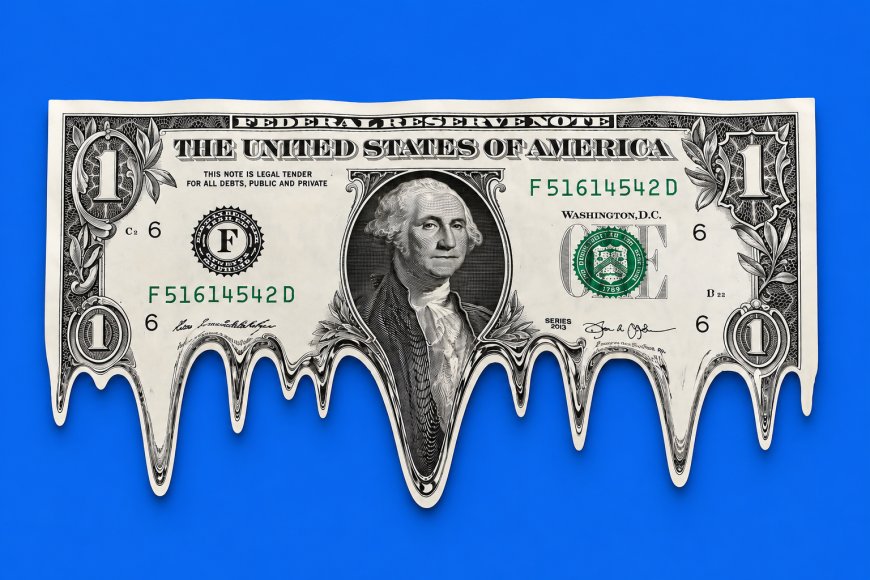
Situational Awareness, the hedge fund founded by former OpenAI researcher Leopold Aschenbrenner, has reportedly sold most of its public stock portfolio to Ken Gryphon’s Citadel after suffering steep losses over the past month.
The Wall Street Journal first reported the transaction on Thursday, marking a sharp reversal for one of the AI industry’s most closely watched investment firms.
Aschenbrenner, 25, launched the hedge fund in 2024 despite having no previous professional trading experience.
The German-born investor became well known after publishing essays arguing that advances in artificial intelligence would require massive investment in semiconductors, computing infrastructure, memory and energy.
From OpenAI researcher to hedge fund manager
Aschenbrenner joined OpenAI’s superalignment team in 2023 after graduating as Columbia University’s valedictorian at age 19, having enrolled at just 15 years old.
He left the company a year later after OpenAI said he had improperly disclosed internal information.
The superalignment team was then led by OpenAI co-founder Ilya Sutskever and researcher Jan Leike. Soon afterwards, Sutskever launched his own startup, Leike joined Anthropic, and Aschenbrenner started Situational Awareness.
The fund initially delivered extraordinary returns.
According to the Financial Times, it gained 439% during the year through June. CNBC reported that assets under management peaked at around $45 billion before AI infrastructure stocks began falling sharply.
AI infrastructure selloff hit leveraged positions.ns
Despite mounting losses, Aschenbrenner remained optimistic.
In a July 24 letter to investors reviewed by the Financial Times, he described the selloff as one of the best buying opportunities since early 2. He invited investors to commit additional capital beginning August 1.
Bloomberg later reported that the fundraising effort failed to attract the level of commitments the fund had expected.
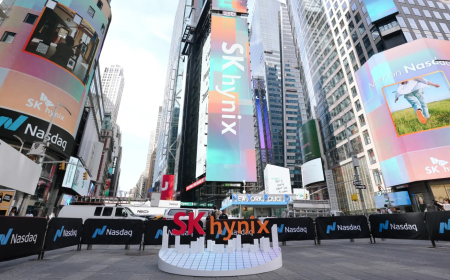
Several of the fund’s largest public investments—including SK Hynix, Sandisk, Bloom Energy and Nebius Group—have fallen more than 30% over the past month.
Broader concerns that enormous AI infrastructure spending was not yet producing sufficient revenue weighed on the sector, while the fund’s use of leverage magnified the losses.
Following Citadel’s purchase of most of the public portfolio, Bloomberg reported that Situational Awareness’ assets declined to roughly $10 billion, down from around $20 billion reported in recent months.
Anthropic stake remains the fund’s biggest asset.
Although the hedge fund exited most of its public holdings, it retained its investments in private companies.
Its most valuable remaining position is its stake in Anthropic, which Bloomberg estimates is currently worth about $5 billion.
Anthropic continues to be viewed as one of theindustry’ss fastest-growing AI companies and could provide significant upside if it eventually goes public.
The company was last valued at $965 billion during its Series H funding round in May and is widely expected to pursue an IPO as early as October, potentially at a higher valuation.
A successful public listing could substantially increase the value of Situational Awareness’ remaining investment and offset part of the hedge fund’s recent losses.
The portfolio also includes private investments in AI chip startup MatX and AI data centre company Fluidstack, which was reportedly discussing a new funding round earlier this year at an $18 billion valuation.
Early backers of Situational Awareness include Jane Street, Stripe co-founders Patrick and John Collison, and Meta executives Daniel Gross and Nat Friedman.
For Citadel, acquiring much of the fund’s public portfolio fits its long-established strategy of purchasing attractive assets when leveraged investors are forced to unwind positions during market downturns.
What's Your Reaction?
 Like
0
Like
0
 Dislike
0
Dislike
0
 Love
0
Love
0
 Funny
0
Funny
0
 Angry
0
Angry
0
 Sad
0
Sad
0
 Wow
0
Wow
0