


































Waymo Suspends Freeway Robotaxi Trips Following Issues in Road Construction Areas
Waymo has paused freeway robotaxi rides after its autonomous vehicles encountered challenges navigating construction zones. Learn how the move impacts self-driving operations, safety measures, and the future of autonomous transportation.
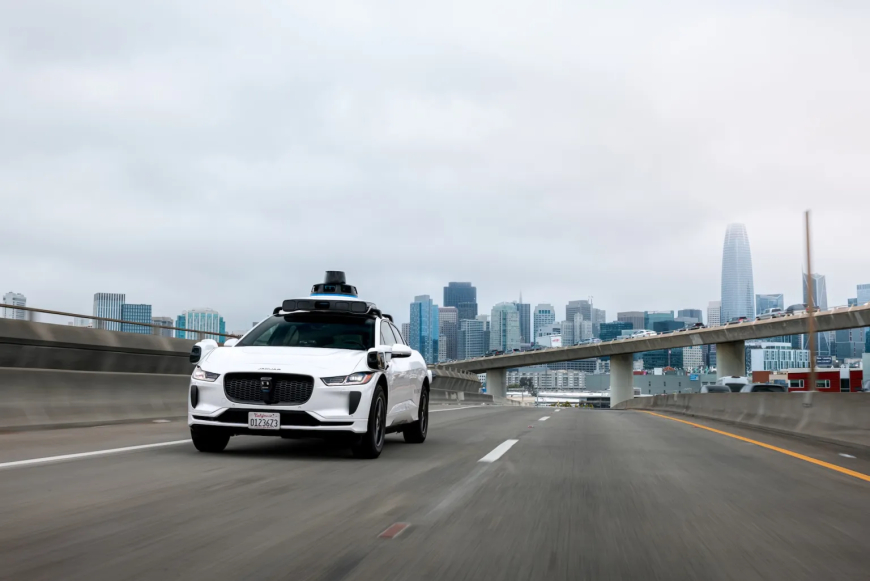
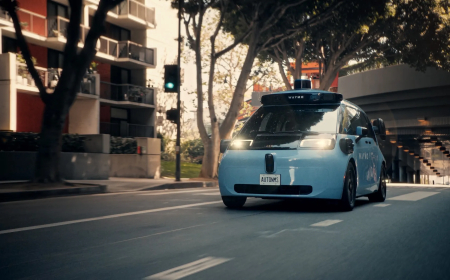
Waymo has temporarily suspended robotaxi operations on freeways across several major U.S. cities, including San Francisco, Los Angeles, Phoenix, and Miami, as the company works to improve how its autonomous vehicles navigate road construction areas.
The company confirmed the move on Thursday, explaining that it is currently incorporating what it described as "recent technical learnings" into its software systems. According to Waymo, these updates are intended to enhance vehicle performance in complex construction environments, and the company expects freeway service to return once the improvements have been fully integrated and validated.
Although freeway operations have been paused, Waymo emphasised that its robotaxi service remains available on city streets in all affected markets. Riders can continue using the autonomous transportation service for trips that rely on surface roads rather than highway routes.
The latest service adjustment comes shortly after Waymo temporarily halted operations in Atlanta and San Antonio to address separate flooding-related challenges. In San Antonio, the company recently announced a software recall designed to help autonomous vehicles better recognise and avoid flooded roadways. Service in the city has been suspended for several weeks while engineers work on a more comprehensive solution.
Meanwhile, in Atlanta, at least one Waymo robotaxi was reportedly observed becoming stuck earlier this week. Following that incident, the company decided to pause operations there as well while it investigated and implemented corrective measures.
The temporary interruptions arrive during a critical period of expansion for Waymo. The autonomous vehicle company is actively working to launch services in additional cities worldwide throughout the year. As part of its broader growth strategy, Waymo has set an ambitious objective of reaching as many as one million paid rides per week by the end of 2026.
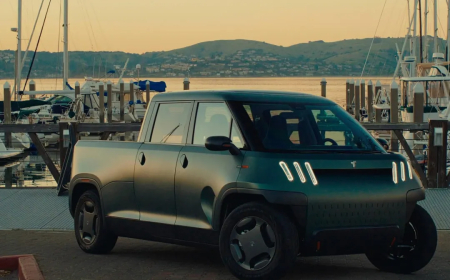
At the same time, the company continues testing its next-generation robotaxi platform, a vehicle built in partnership with Zeekr and internally referred to as "Ojai." Industry observers expect Waymo to begin offering public rides in the new vehicle model in the coming months as testing progresses.
Freeway travel has become an increasingly important component of Waymo's robotaxi network since the company introduced highway rides in late 2025. Access to higher-speed roads allows autonomous vehicles to serve larger metropolitan areas more efficiently, helping passengers reach destinations such as airports while significantly reducing overall travel times compared with routes that rely exclusively on local streets.
In the San Francisco Bay Area, freeway access has proven particularly valuable. Before highway operations, many trips across the peninsula could take anywhere from 45 minutes to well over an hour, depending on traffic conditions and routing limitations. The addition of freeway driving enabled Waymo vehicles to complete many of those journeys considerably faster, improving convenience for riders and increasing the service's practicality across the region.
Waymo did not cite a specific event as the direct cause of this week's freeway suspension. However, the company's autonomous vehicles have previously encountered difficulties in active highway construction zones, where changing lane patterns, temporary barriers, traffic cones, and shifting road layouts can create challenging driving conditions.
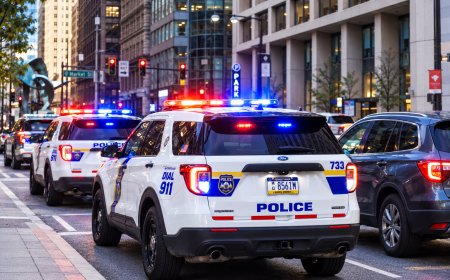
One widely shared example emerged on May 19 when X user @Elliot_slade posted a video alleging that a Waymo robotaxi drove through a construction area and passed traffic cones. The user further claimed that police later pursued the vehicle. While Waymo has not publicly linked the freeway suspension to that particular incident, the company's decision highlights the ongoing challenges autonomous driving systems face when navigating dynamic construction environments that can change rapidly and require quick adaptation.
As Waymo continues refining its autonomous driving technology, the company appears focused on addressing these operational issues before restoring freeway service. For now, robotaxi rides remain available on local streets while engineers work to improve highway performance and ensure safer navigation through complex construction zones.
What's Your Reaction?
 Like
0
Like
0
 Dislike
0
Dislike
0
 Love
0
Love
0
 Funny
0
Funny
0
 Angry
0
Angry
0
 Sad
0
Sad
0
 Wow
0
Wow
0