



































AI Data Centre Boom Faces Opposition From Communities With Industrial Histories
AI data centre expansion is facing resistance from communities concerned about pollution, energy use, noise, and environmental impacts.
The rapid expansion of artificial intelligence infrastructure is creating new debates across the United States as communities weigh the benefits of new data centres against concerns about energy use, pollution, water consumption, and pressure on local resources.
While technology companies and data centre developers often highlight job creation and economic growth, many residents have raised concerns about how large-scale facilities could affect their communities. A Gallup survey found that many Americans oppose data centre construction in their local areas, with environmental and infrastructure concerns shaping public opinion.
Communities with industrial histories raise concerns
For residents who have lived near major industrial sites, the debate over AI data centres is connected to past experiences with pollution and public health concerns.
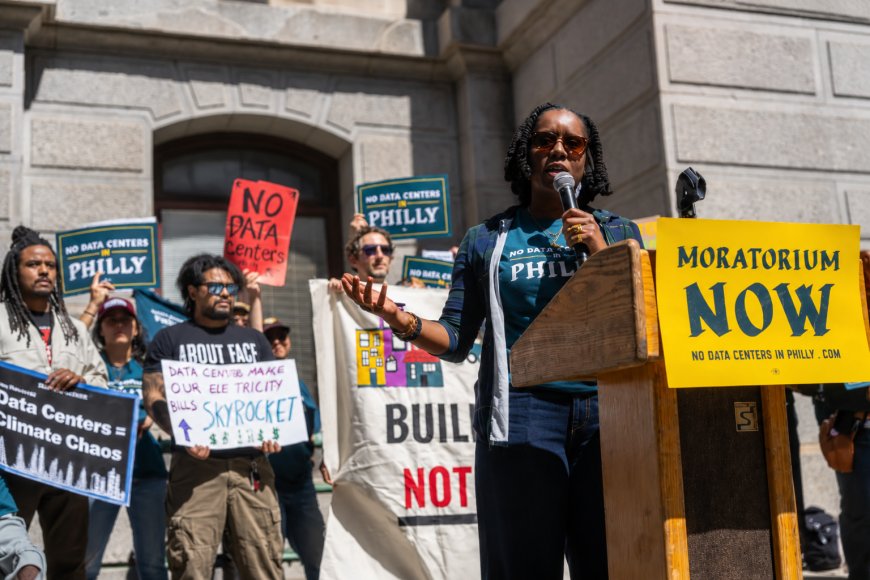
In Philadelphia’s Greys Ferry neighbourhood, activist Shawmar Pitts has become one of the voices opposing potential data centre development. Pitts grew up near the former Philadelphia Energy Solutions refinery, once one of the largest oil refineries on the East Coast before it closed after a 2019 explosion. CNN and local WHYY reporting have covered the refinery’s history and redevelopment efforts.
Pitts became involved with environmental justice group Philly Thrive after learning more about concerns surrounding refinery pollution and its potential effects on nearby communities. He now helps lead opposition to possible data centre construction in Philadelphia.
Philadelphia residents challenge potential data centre projects
Philadelphia has not approved a data centre project, but city officials have identified potential locations for future development, including areas in Northeast Philadelphia and Greys Ferry. Residents have pushed for more review before allowing new facilities to move forward.
Community concerns have also been raised about proposed data centre developments in Philadelphia, including discussions about possible sites and planning decisions.
Residents involved in the opposition campaign say they are concerned about pollution, noise, and whether new facilities would provide enough local benefits. Environmental advocates argue that communities with a history of industrial impacts should receive extra consideration before approving new large-scale infrastructure projects.
AI energy demand adds to environmental concerns
The concerns come as the AI industry drives a rapid increase in demand for computing infrastructure. BloombergNEF projects that US data centres could consume more natural gas than Germany and Japan combined by 2035 as electricity needs grow.
Natural gas produces fewer emissions than some other fossil fuels, but it still contributes to greenhouse gas pollution. The International Energy Agency has examined emissions connected to natural gas supply chains, including production, processing, and distribution.
Additional energy demand from data centres is expected to increase emissions, adding pressure on efforts to reduce greenhouse gases. Sources including Our World in Data track current US emissions data, while researchers at Harvard University have studied the health effects associated with fossil fuel air pollution.
Cities consider limits on new data centres
Opposition to data centre development has spread beyond Philadelphia. Some cities and states have introduced temporary restrictions or reviews to understand the potential impact of large facilities better.
New York Governor Kathy Hochul signed an executive order temporarily preventing approval of certain large projects, arguing that economic development should not come at the expense of higher utility costs, reduced resources, or increased pollution.
Several cities have also approved or considered data centre moratoriums, including Denver, Indianapolis, Asheville, Charlotte, and Reno. Officials in these locations have used pauses to gather information about energy use, infrastructure requirements, and possible community effects.
Examples include Denver’s data centre zoning review, Indianapolis discussions on a moratorium, and local actions reported in Asheville, Charlotte, and Reno.
As AI companies continue building more computing infrastructure, communities and policymakers are debating how to balance technological growth with local concerns about energy, environmental impacts, and quality of life.
What's Your Reaction?
 Like
0
Like
0
 Dislike
0
Dislike
0
 Love
0
Love
0
 Funny
0
Funny
0
 Angry
0
Angry
0
 Sad
0
Sad
0
 Wow
0
Wow
0