


































Arcturus Unveils Nano-Infused Metals That Could Cut Power Grid Electricity Losses by Half
Discover how Arcturus’ nano-infused metal technology could reduce electrical transmission losses by up to 50%, improve grid efficiency, lower energy costs, and support next-generation power infrastructure.
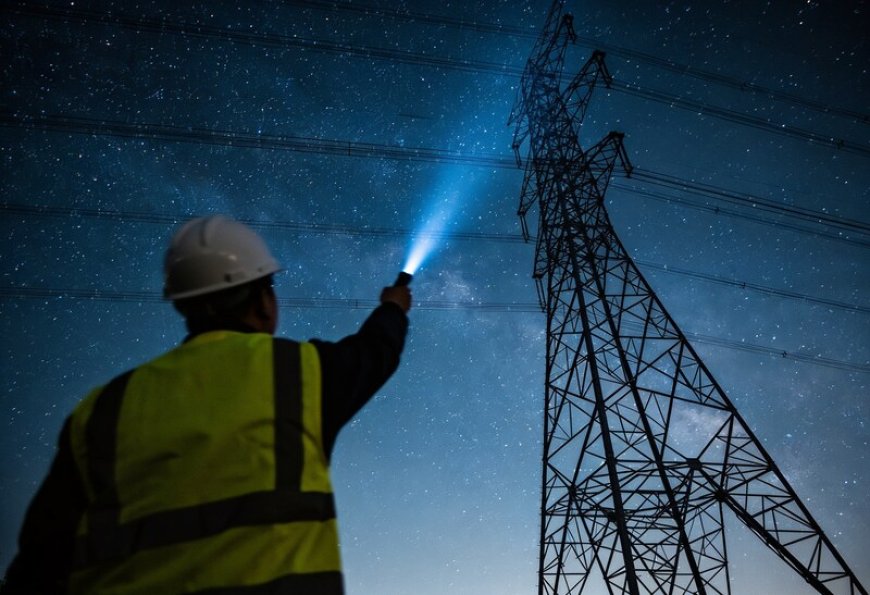
Global demand for copper is expected to surge as electrification accelerates and AI-driven data centres continue expanding. According to one study, humanity will need to produce more copper between now and 2050 than has been mined throughout human history.
A significant portion of that copper—along with even greater quantities of aluminium—ends up in electrical transmission infrastructure. In the United States, however, much of the power grid is ageing and facing increasing pressure.
“We’re hitting this inflexion point of AI and the electrification of nearly every industry, and it’s creating this point where we have overburdened and overstressed the energy grid,” said Amir Mashal, founder and CEO of Arcturus.
One approach would be to use more conductive metal throughout the grid, but Mashal believes his startup, which has operated in stealth mode until now, offers a different solution. Arcturus has developed a process that infuses carbon nanomaterials into copper and aluminium using lasers, reducing the amount of electrical energy lost as heat. According to the company, replacing conventional conductors with its nano-engineered materials would allow power lines of the same size to carry more electricity.
In practical terms, Arcturus says the technology could reduce electrical transmission losses by up to half. That improvement could immediately unlock approximately 3% more usable electricity across the grid on average, with gains reaching as high as 10% during periods of peak congestion—precisely when additional capacity is most valuable. Even at the lower estimate, the additional power would roughly equal one year’s worth of electricity demand growth in the United States.
“Copper loses conductivity as it heats up, so the hotter it gets, the more energy it wastes as heat,” Mashal explained. “As I kept peeling back the layers of that onion, everything started clicking for me because I noticed the same limit shows up everywhere. The modern world really runs on metals.”
Although Arcturus ultimately aims to improve electrical grid infrastructure, the company is initially targeting smaller applications, including drones, robotics, and data centres, where even modest improvements in electrical efficiency can produce substantial performance gains.
The company also announced it has secured $8 million in seed funding, led by Initialised Capital, with participation from Toyota Ventures, Breakthrough Energy Discovery, 1517, and Wireframe Ventures.
Mashal has been developing the company’s materials in a garage laboratory in Malibu, California, where Arcturus is currently capable of producing proof-of-concept wire several centimetres long. The newly raised funding will allow the startup to scale production to tens of metres, enabling broader testing across applications such as electric motor windings and busbars used in power distribution systems.
While the materials introduce new performance characteristics, Mashal said they have been designed as a “drop-in replacement” for existing copper and aluminium products.
“Same form factors, no system redesign, no new training for folks to handle or crimp the material.”
According to the company, its materials could help reduce the weight of drones, improve the efficiency of electric vehicles, and lower cooling requirements inside data centres by reducing the amount of energy converted into heat.
“All those industries have the same kinds of bottlenecks, whether your drone wants to have double the flight time or your graphics card is just heating up too much,” Mashal said. “Those are all areas where our material can fundamentally disrupt things.”
What's Your Reaction?
 Like
0
Like
0
 Dislike
0
Dislike
0
 Love
0
Love
0
 Funny
0
Funny
0
 Angry
0
Angry
0
 Sad
0
Sad
0
 Wow
0
Wow
0