


































Battery Storage Now Cheaper Than Gas Peaker Plants in 43 Markets
Wood Mackenzie finds four-hour battery storage cheaper than gas turbines in 43 markets as data centre demand increases power plant construction costs.
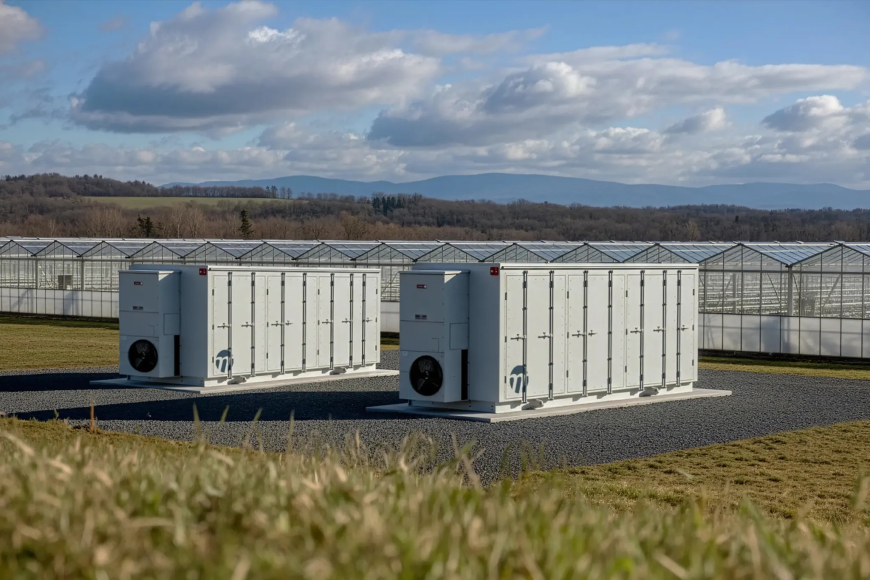
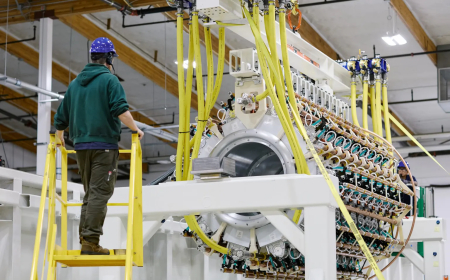
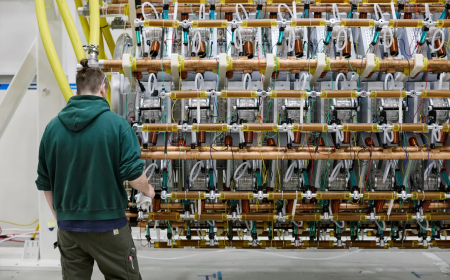
Four-hour battery storage systems now cost less than open-cycle natural gas turbines in all 43 markets examined by energy consultancy Wood Mackenzie. The finding marks a significant shift in electricity storage economics as rising demand from AI data centres drives up the cost of gas-fired power infrastructure.
According to Wood Mackenzie’s latest report, battery storage costs are expected to decline over the coming decades, while gas peaking plants face higher equipment prices and fuel-related expenses. The comparison focuses on four-hour storage and turbines used during peak electricity demand, not continuous power generation.
Data Centre Demand Pushes Gas Turbine Costs Higher
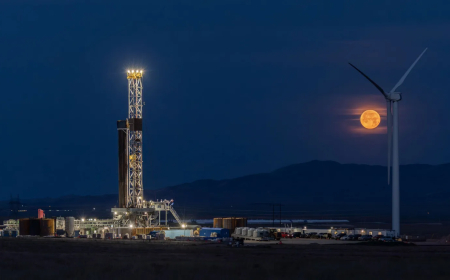
AI data centre developers are increasingly purchasing natural gas turbines to secure electricity supplies without waiting for grid connections. The surge in demand has strained manufacturing capacity, raised equipment prices, and lengthened delivery schedules.
Open-cycle turbines are simpler and generally quicker to install than larger combined-cycle plants, but they operate less efficiently. A Reuters report documented growing demand for smaller turbines, with some equipment facing delivery schedules stretching several years. Larger combined-cycle projects can take considerably longer.
The rising costs also affect utilities that rely on gas peaking plants to supply electricity during periods of high demand. Meanwhile, broader energy price pressures have driven up U.S. producer prices, as reflected in September reporting on wholesale inflation.
Solar and Battery Storage Gain a Cost Advantage
Wood Mackenzie found that utility-scale solar with tracking systems was the cheapest new electricity generation technology in 43 of the 48 markets it studied. Onshore wind led in the remaining five markets, demonstrating the growing cost competitiveness of renewable generation.
In the Middle East and Africa, four-hour battery storage costs are projected to decline 33% by 2035, reaching approximately $80 per megawatt-hour. China already has a substantial advantage, with grid-scale storage costs more than 55% below the Asia-Pacific average.
North America faces additional complications from solar import tariffs and trade restrictions. However, Wood Mackenzie identified approximately 168 gigawatts of utility-scale solar capacity benefiting from provisions that protect qualifying projects from some near-term policy changes.
Battery storage cannot generate electricity on its own, and four-hour systems cannot provide continuous backup during extended power shortages. Nevertheless, Wood Mackenzie’s findings indicate that batteries are becoming increasingly competitive for short-duration peak demand, particularly when combined with renewable generation.
What's Your Reaction?
 Like
0
Like
0
 Dislike
0
Dislike
0
 Love
0
Love
0
 Funny
0
Funny
0
 Angry
0
Angry
0
 Sad
0
Sad
0
 Wow
0
Wow
0