




































Giraffe Bio Raises $6.4 Million to Boost Copper Recovery With Engineered Biomolecules
Giraffe Bio raises $6.4 million to develop tailored biomolecules for copper mining, targeting better mineral recovery using existing flotation equipment.
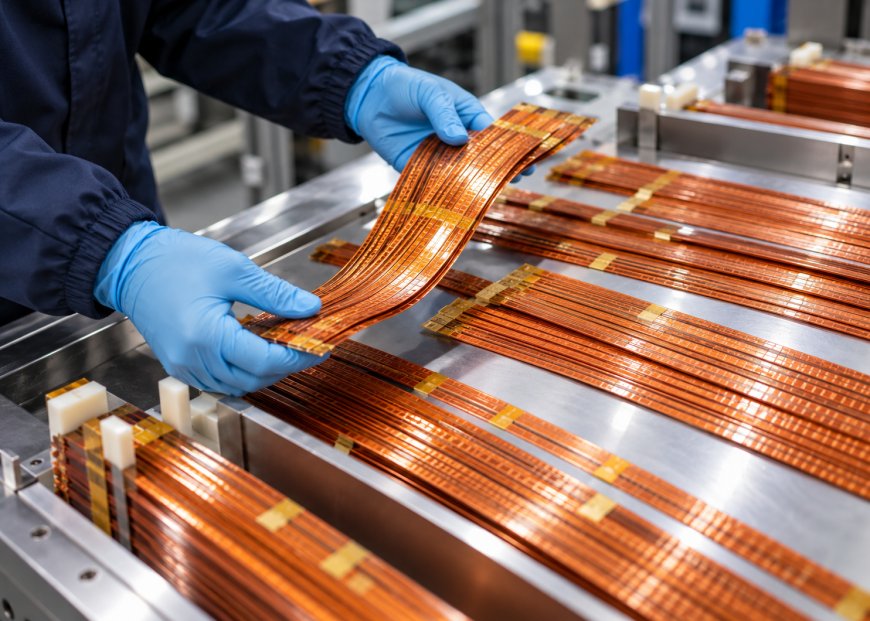
Mining biotechnology startup Giraffe Bio has raised $6.4 million in seed funding to develop engineered biomolecules that help mines recover more copper from existing operations. The company aims to improve mineral extraction as demand for copper rises across AI data centres, electrical infrastructure, and other industries.
Orion Industrial Ventures led the funding round, with participation from BHP Ventures, Twynam, Air Capital, and Baruch Future Ventures. Giraffe Bio plans to advance technology that uses specially designed biological compounds to improve copper recovery during mineral processing.
The startup says its approach can improve copper recovery by up to 5 percentage points under certain conditions. Even smaller improvements of 1 to 2 percentage points can be valuable in mining, according to co-founder and CEO Alejandro Buffo Sempé.
How Giraffe Bio Uses Biomolecules to Recover More Copper
Unlike mining biotechnology companies that introduce living microbes directly into mineral extraction processes, Giraffe Bio uses engineered microorganisms to manufacture specialised compounds in bioreactors. Giraffe Bio then adds the resulting biomolecules to conventional mining operations, without requiring the microorganisms to survive harsh mine environments.
The technology focuses on flotation, a widely used process that separates valuable minerals from unwanted material. During flotation, chemical reagents influence how mineral particles interact with water and air bubbles, allowing selected minerals to rise to the surface for collection.
Giraffe Bio designs its biomolecules around the mineral composition of individual mining operations. By targeting specific mineral surfaces, the company aims to improve separation efficiency and recover copper that conventional chemicals might leave behind.
The company reports copper recovery improvements of 3 to 5 percentage points in laboratory testing using actual mine samples. Those results are not guaranteed across all operations, as performance depends on the ore’s characteristics and processing conditions.
Another part of its research involves developing biological alternatives to chemical depressants. These substances prevent unwanted minerals, including arsenic-bearing materials, from entering the recovered concentrate, helping improve the quality of the final product.
Giraffe Bio also wants its biomolecules to replace some conventional flotation chemicals that can pose environmental concerns. Its compounds are designed to work within existing flotation equipment, potentially reducing the need for expensive changes to mining infrastructure.
Copper Supply Concerns Drive Interest in Mining Technology
The funding comes amid concerns that global copper production may struggle to keep pace with demand. A January 2026 S&P Global study projected that copper demand could reach 42 million metric tons annually by 2040, about 50% higher than current levels.
Without major supply changes, the study estimates a potential shortage of 10 million metric tons by 2040, about 25% of projected demand. Expanding electricity networks, electric vehicle production, AI computing infrastructure and defence spending are among the factors expected to increase consumption.
Developing new mines remains expensive and time-consuming, so improving recovery rates at existing facilities is an important area of technological development. Several mining biotechnology companies are exploring microbial solutions, but Giraffe Bio focuses on manufactured biomolecules that can integrate into established processing systems.
Although copper is its initial focus, the startup says it could eventually adapt its technology to recover other valuable minerals, including gold and silver. Its immediate challenge is proving that the recovery improvements achieved in testing translate into reliable performance in commercial mining operations.
What's Your Reaction?
 Like
0
Like
0
 Dislike
0
Dislike
0
 Love
0
Love
0
 Funny
0
Funny
0
 Angry
0
Angry
0
 Sad
0
Sad
0
 Wow
0
Wow
0