































Google Play Lets Users Run Private AI-Built Android Apps Without Publishing Them
Google Play lets U.S. adults launch private AI-built Android apps without public listings, with selective sharing and wider publishing planned for later.
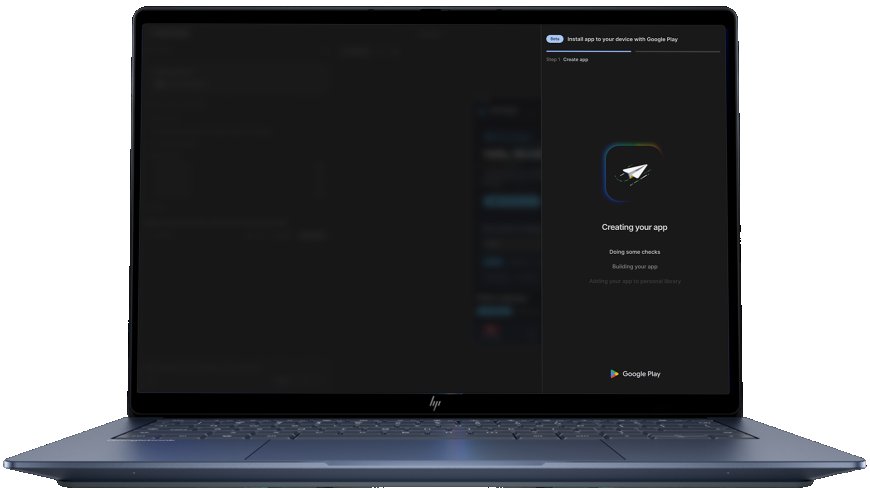
Google has introduced a new Google Play feature that lets users create and run private Android apps without publishing them on the Play Store. The update makes it easier to use AI-generated apps on smartphones while keeping them accessible only to their creators.
Users can build these personal apps through Google AI Studio and launch them using a standard Google account. Unlike publicly distributed applications, they will not appear in Play Store searches or listings, although they must still comply with Google Play policies.
The feature is initially available to users ages 18 and older in the United States. It addresses a limitation for people experimenting with vibe coding, a development approach that uses AI to generate applications from natural-language instructions.
Google Play Plans Private App Sharing
Until now, distributing a native Android app through Google Play generally meant making it available beyond its intended personal audience. This encouraged some AI-assisted developers to create web applications instead of native Android software.
Google plans to expand the feature in the coming months to support sharing with trusted contacts. Users could eventually distribute apps built for family members, friends or small community groups without making them publicly available.
The company also plans to let users convert personal apps into publicly listed Play Store apps. That transition would require completing Google’s existing trust and safety reviews.
Sam Bright, Google’s vice president and general manager for Google Play and the Developer Ecosystem, described the initiative as a shift toward applications built around individual needs rather than mass-market distribution.
AI Game Discovery and Other Play Store Updates
Alongside private app support, Google announced Game Finder, an AI-powered recommendation system that suggests games based on individual preferences and information from its community of 1.2 billion players. The feature will initially launch in English in the United States.
Users can also create personalised game lists, ask questions through a new Community Posts section, and participate in 48-hour gaming challenges called Sprints.
Google is upgrading its built-in Ask Play assistant to compare similar applications and explain their differences. Apps and games will also integrate more deeply with Gemini conversations, helping users discover relevant software through AI interactions.
Separately, Google Play is introducing an age-range feature that allows parents to share their child’s age group with developers without revealing an exact birthdate. The information is intended to help applications provide age-appropriate experiences while limiting the personal details disclosed.
What's Your Reaction?
 Like
0
Like
0
 Dislike
0
Dislike
0
 Love
0
Love
0
 Funny
0
Funny
0
 Angry
0
Angry
0
 Sad
0
Sad
0
 Wow
0
Wow
0