

































Hiyd Develops 2.7mm Health Tracker That Attaches Behind Watches
Hiyd is developing a 2.7mm health tracker that attaches to existing watches without magnets or glue and tracks heart rate, sleep, and activity via an app.
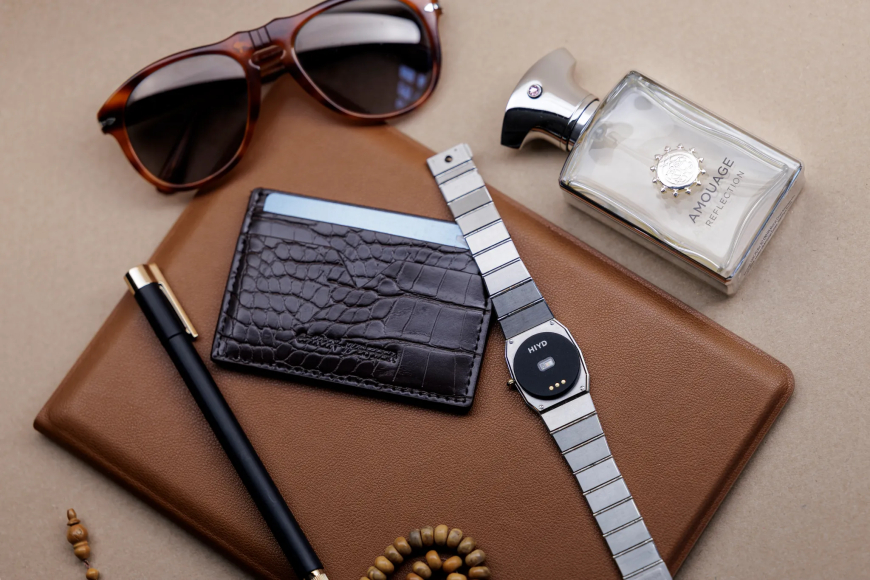
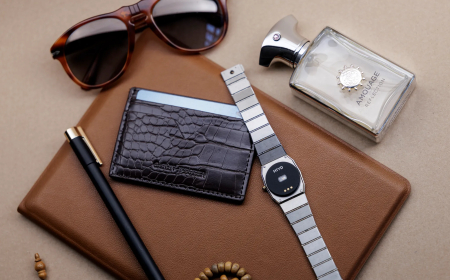
Hiyd is developing a compact health tracker that attaches to the back of an existing watch, adding fitness and sleep monitoring without requiring a smartwatch. The device is 2.7 millimetres thick and weighs 7 grams, making it much smaller than conventional wrist-worn fitness trackers.
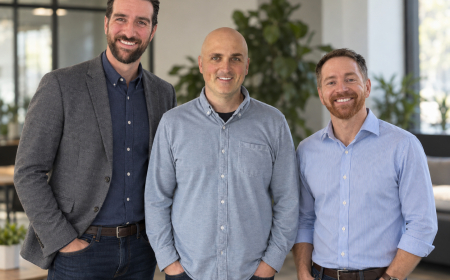
Founded by former Apple manufacturing design engineer Salah Batroukh, Hiyd is targeting watch enthusiasts who want biometric tracking without changing their preferred timepiece. The startup aims to build a broader ecosystem of discreet health-monitoring devices.
How Hiyd Attaches to a Regular Watch
Hiyd uses microsuction technology to secure its sensor against a watch’s caseback. The attachment requires neither magnets nor conventional adhesives, avoiding residue and potential interference with mechanical watch movements.
The microsuction layer consists of textured silicone containing hundreds of microscopic pockets per square inch. Pressing the material against a surface expels air from those pockets, creating suction that holds the sensor in place. The layer is about 0.3 millimetres thick and can be detached by gently lifting an edge.
Health Monitoring and AI-Powered Insights
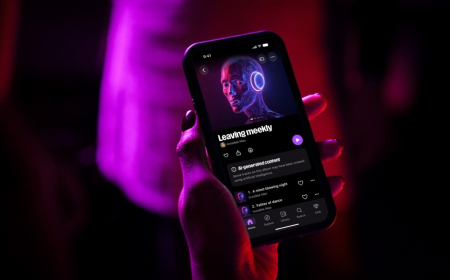
Hiyd collects several biometric measurements, including heart rate, heart rate variability, sleep stages, movement, estimated calories burned, and VO2 max estimates. The information synchronises with a companion application for iOS and Android.
The startup is training its AI systems using activity data collected during walking, jogging, running and other movements. Team members record their activities and label the corresponding sensor data to help the software recognise different movement patterns.
Hiyd is also developing nutrition tracking within its application. Rather than focusing exclusively on calorie counting, the company wants to help users understand possible relationships between eating habits, exercise schedules and sleep quality.
For example, the software could identify patterns suggesting that late-night workouts coincide with poorer sleep or that certain eating habits correlate with changes in recovery. These personalised insights remain part of the company’s development plans rather than independently validated health findings.
Former Apple Engineer Leads Hiyd’s Development
Batroukh spent approximately seven years working as a manufacturing design engineer at Apple before starting Hiyd. He wanted to apply his hardware development experience to a product focused on individual needs rather than established technology brands.
He co-founded the company with chief technology officer Omar Shakir, an experienced mechanical engineer, and head of software Mahamad Charawi. Charawi previously helped lead Y Combinator-backed Laudspeaker, which was later acquired.
Hiyd’s website lists a planned Kickstarter launch in November 2026, with initial shipments expected by the second quarter of 2027. The company is promoting the sensor as a one-time hardware purchase without a monthly subscription. However, its real-world tracking accuracy and performance remain to be established through broader use.
What's Your Reaction?
 Like
0
Like
0
 Dislike
0
Dislike
0
 Love
0
Love
0
 Funny
0
Funny
0
 Angry
0
Angry
0
 Sad
0
Sad
0
 Wow
0
Wow
0