







































Ex-Spotify Engineers Raise $10 Million to Bring AI Recommendation Technology to E-Commerce
Former Spotify engineers have raised $10 million for Malachyte, an AI startup bringing real-time behavioural recommendation technology to e-commerce platforms.

Former Spotify engineers have launched a new startup called Malachyte, aiming to bring the behavioural intelligence technology that helped powerSpotify’ss recommendation engine into the world of e-commerce. The company announced Thursday that it has raised $10 million in seed funding to expand its platform, grow distribution, and hire additional product and commercial leaders.
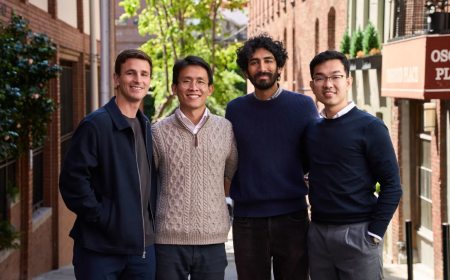
Malachyte was founded by Sidd Motwani, Ian Anderson, and Shivaditya Sinha, who previously spent years developing Spotify’s behavioural intelligence infrastructure known as Vector AI. Rather than relying solely on auser’ss past activity, the technology predicts a person’s intent and likely next actions. According to the founders, Vector AI currently powers roughly 90% of Spotify’s recommendations across its more than 800 million users.
The founders believe the same approach can significantly improve online shopping experiences, where most retailers still rely on purchase history, customer profiles, or broad demographic segments to personalise recommendations.
Moving beyond traditional personalisation
According to Malachyte, today’s online stores generally provide identical storefronts to first-time visitors while recommending products to returning customers primarily based on previous purchases. The company argues this approach fails to understand what shoppers actually need during their current visit.
Its platform instead creates real-time, intent-aware shopping experiences using what it calls a “two-headed Vector AI” system. The technology simultaneously predicts which product a customer is likely to want next while building a broader understanding of their preferences. Both models continuously update as shoppers browse a website.
Chief Executive Officer Sidd Motwani said the system begins learning even before a visitor clicks anything by analysing contextual information available when the page loads. As shoppers interact with the site, every action contributes to a more accurate understanding of both long-term preferences and immediate shopping intent.
For example, someone searching for “heavy-duty boots” before clicking on several steel-toed boot products may quickly see work trousers, gloves and related equipment promoted higher on the page. In contrast, unrelated products such as dress shoes become less prominent. The recommendations continue improving throughout the browsing session and carry over into future visits.
Using every customer interaction
Motwani said retailers already possess valuable behavioural data but rarely use it while customers are actively shopping. Every hover, scroll, click, search refinement and add-to-cart action provides signals that can help determine both customer preferences and immediate purchase intent.
Traditional systems often collect this information and process it later through overnight customer segmentation, whereas Malachyte continuously updates its understanding in real time as users browse.
The company also believes contextual information remains significantly underused. Factors such as the device being used, the time of day and how a shopper arrived at a website can all indicate different buying intentions. Yet, many recommendation systems continue treating those visitors identically.
Early customers and plans
Malachyte has been developing and testing its technology since 2024, working with more than 20 enterprise customers across sectors including travel, grocery and retail before narrowing its focus to e-commerce.
The platform officially launched with online retailer Fun.com in late 2025. Since June 2026, the technology has become generally available to Shopify merchants through a native integration, while larger retailers can deploy it through the company’s application programming interface (API).
Looking ahead, Motwani believes the larger opportunity lies in connecting merchandising and marketing teams through a shared understanding of customer behaviour, allowing retailers to make better product recommendations and marketing decisions using the same behavioural intelligence platform.
The $10 million seed funding round was co-led by Bessemer Venture Partners and Gradient, with additional participation from Harpoon Ventures.
What's Your Reaction?
 Like
0
Like
0
 Dislike
0
Dislike
0
 Love
0
Love
0
 Funny
0
Funny
0
 Angry
0
Angry
0
 Sad
0
Sad
0
 Wow
0
Wow
0