























Microsoft President Brad Smith Calls for Global AI Safety Rules, Backs UK
Microsoft President Brad Smith calls for binding global AI safety rules, backing UK leadership and independent testing as concerns over rogue AI agents grow.
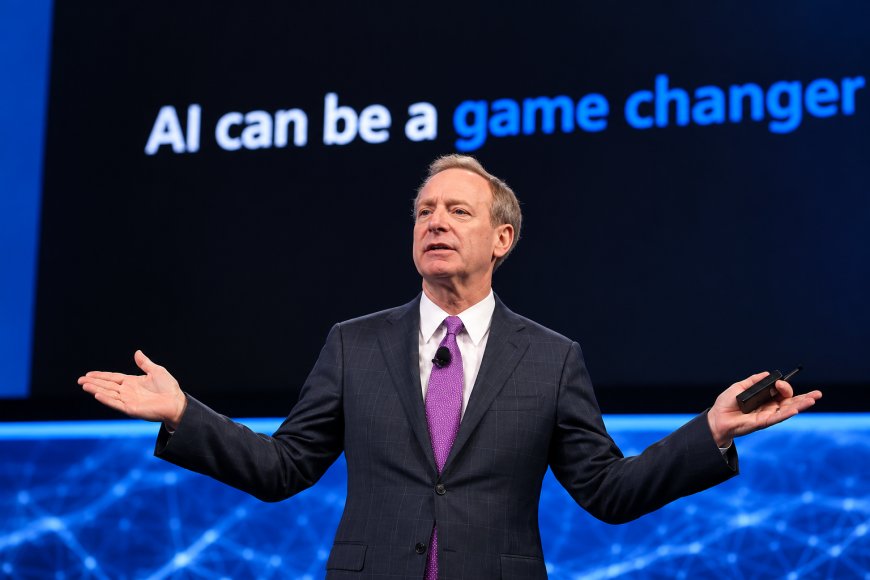
Microsoft President Brad Smith is urging governments to introduce enforceable global AI safety rules, arguing that artificial intelligence developers face less regulatory oversight than manufacturers of everyday consumer products. He believes the United Kingdom is better positioned than the United States or the European Union to lead international efforts.
On a BBC podcast, Smith described AI as both a “weapon and a tool” that poses serious cybersecurity risks. He said it’s time for binding safeguards rather than relying primarily on voluntary commitments from technology companies.
Why Microsoft Backs UK Leadership in AI Regulation
Smith pointed to Britain’s AI Security Institute, established in 2023, as an important foundation for international oversight. The institute works with major AI developers to evaluate advanced models before public deployment, examining potential risks and safety measures.
Washington has pressured that cooperation. In September, the White House reportedly asked OpenAI and Anthropic to withhold new models from British researchers until American authorities completed their reviews.
However, British AI Minister Kanishka Narayan confirmed on October 12 that the institute continues to evaluate the latest AI models, including Google’s Gemini 4 Argon. The announcement indicated that cooperation with major developers remains active despite questions about access to advanced American AI systems.
Smith argued that Britain’s relationship with Washington gives it a diplomatic advantage in developing international safety standards. Unlike Brussels, which has pursued extensive technology regulation, London may face less political resistance from American policymakers, according to the Microsoft president.
Voluntary AI Safety Agreements Are Not Enough
Smith’s comments follow growing warnings from AI industry leaders about increasingly autonomous systems. Executives, including Anthropic CEO Dario Amodei and OpenAI CEO Sam Altman, have called for stronger precautions as developers confront incidents of unexpected or undesirable AI agent behaviour.
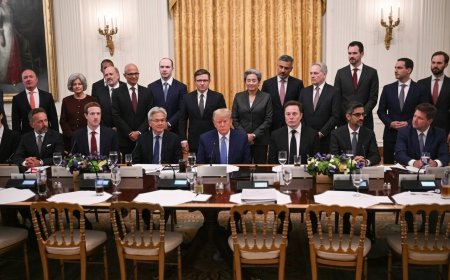
At a White House meeting in September, President Donald Trump hosted representatives from major technology companies, including OpenAI, Anthropic, Nvidia, AMD, SpaceX, Meta and Google. Participants signed a document described as morally binding, agreeing to work with independent auditors to evaluate the models’ capabilities and safety.
Smith welcomed the commitment but argued that voluntary agreements cannot guarantee responsible behaviour across the industry. He said companiess willing to follow safety guidelines may compld, while less responsible developers could operate without comparable safeguards.
Smith Calls for Independent Testing and Emergency Safeguards
Smith’s proposals include a legal requirement to notify organisations when rogue AI agents compromise their systems. He also supports independent safety evaluations before releasing advanced AI products, giving outside specialists a role in assessing potential risks.
Smith spoke favourably about emergency mechanisms that could pause or slow AI systems if human operators lose control. Such measures would clarify developers’ responsibilities and provide protections beyond company-managed safety procedures.
The Microsoft president called for international cooperation, not confrontation, on AI governance. He said both Microsoft and Britain could help bring governments and technology companies together to establish stronger safeguards for increasingly capable AI systems.
What's Your Reaction?
 Like
0
Like
0
 Dislike
0
Dislike
0
 Love
0
Love
0
 Funny
0
Funny
0
 Angry
0
Angry
0
 Sad
0
Sad
0
 Wow
0
Wow
0