


























Senra Raises $65 Million to Modernise Wire Harness Manufacturing
Senra has raised $65 million in Series B funding to modernise wire harness manufacturing with software and automation for aerospace, defence, and vehicles.
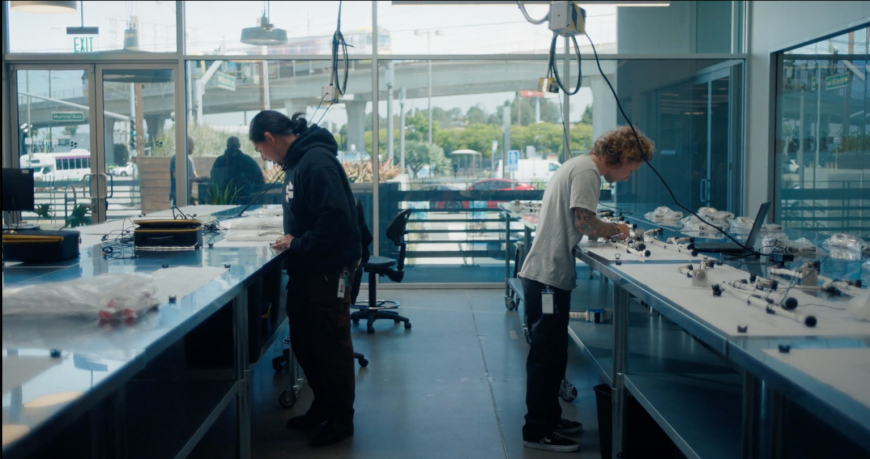
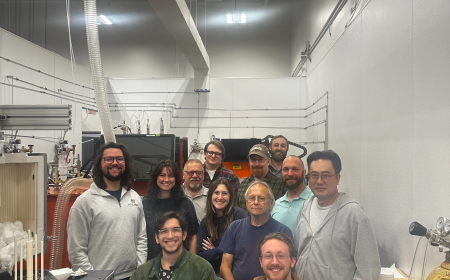
Manufacturing technology startup Senra has raised $65 million in Series B funding as it works to modernise the production of wire harnesses, a critical component used in rockets, aircraft, vehicles and other increasingly software-driven machines. The company, founded in 2023 by former SpaceX engineer Jordan Black and co-founder Benjamin Shanahan, aims to replace decades-old manufacturing practices with software, digital workflows and selective automation.
Wire harnesses are the electrical cable systems that connect and power components inside complex machines, including spacecraft, automobiles, aircraft and industrial equipment. According to Black, much of the industry’s production process has changed little over decades, with manufacturers continuing to rely on highly manual assembly methods performed by experienced technicians. Rather than eliminating those skilled workers, Senra is focusing on improving the process through software that standardises production while helping technicians work more efficiently.
The Series B funding round was co-led by Lowercarbon and Interlagos, with participation from General Catalyst, Sequoia Capital, Andreessen Horowitz, Founders Fund and other investors. The company said the investment will support continued expansion as manufacturers increase demand for more efficient production systems.
Black previously worked at SpaceX, where he helped scale wire harness production for the company’s Starship program. He said that experience highlighted the need for better manufacturing tools capable of supporting high-volume production while maintaining quality and traceability. Senra applies similar principles by introducing software-based standardisation before expanding the use of automation across its factories.
The company’s proprietary software platform, Amp, standardises engineering inputs throughout the manufacturing process and creates a digital twin that guides technicians during assembly. According to Senra, integrating engineering updates, material tracking, and production workflows into a single platform helps reduce errors that could otherwise lead to costly or potentially serious problems later in a product’s lifecycle.
Black pointed to Boeing’s Starliner spacecraft as an example of why detailed wire harness management matters. In 2023, Boeing discovered that wiring within the spacecraft had been secured using flammable tape, forcing the company to redesign and replace the entire wiring system before the spacecraft could proceed. Senra says digital tracking and standardised engineering controls can help reduce similar risks by improving visibility throughout the manufacturing process.
While robotics remains part of Senra’s long-term plans, Black said automation currently follows the same philosophy used at SpaceX, where manual processes are first standardised before being automated. He noted that handling flexible wiring remains difficult for robots and that relevant training data remains limited, making experienced technicians an essential part of the production process.
The company serves manufacturers across the aerospace, defence, and other industrial sectors, including builders of submarines, maritime systems, defence vehicles, launch vehicles, and satellites. However, it has not identified any individual customers. Senra currently produces about 1,000 wire harnesses each month across two factories and plans to increase production to 10,000 units per month by 2027 as it expands its manufacturing operations.
What's Your Reaction?
 Like
0
Like
0
 Dislike
0
Dislike
0
 Love
0
Love
0
 Funny
0
Funny
0
 Angry
0
Angry
0
 Sad
0
Sad
0
 Wow
0
Wow
0