

































Uber and Pony.ai Plan London Robotaxi Service With Gen-7 Testing
Uber and Pony.ai plan to test Gen-7 robotaxis in London within weeks, expanding their European partnership as they prepare to launch a driverless ride-hailing service.
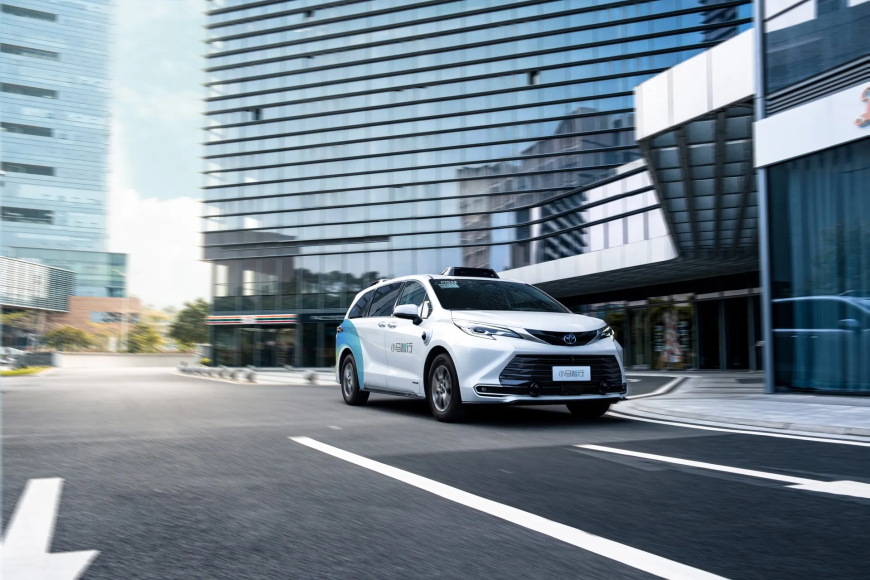
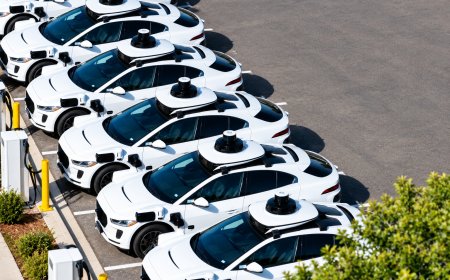
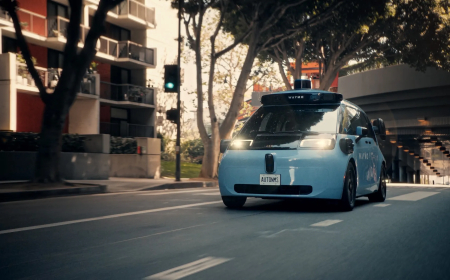
Uber and Chinese autonomous-driving company Pony.ai are preparing to test driverless taxis in London as they expand their robotaxi partnership into the United Kingdom. Testing of Pony.ai’s seventh-generation autonomous vehicles is expected to begin in the coming weeks, ahead of a planned commercial service.
The companies confirmed the plans Thursday, October 8, as Uber continues building its autonomous ride-hailing business through partnerships with vehicle technology providers. Uber has not announced a public launch date or the operator responsible for the London fleet.
Uber and Pony.ai Expand Robotaxi Partnership to London
The London initiative follows a partnership established in May 2025, initially focused on the Middle East. Uber and Pony.ai subsequently expanded their collaboration into Europe, announcing plans to deploy 2,000 autonomous taxis, beginning in Zagreb, Croatia.
In August 2026, the companies launched an autonomous ride-hailing service in Zagreb alongside Croatian mobility startup Verne. Pony.ai provides the self-driving technology and Arcfox Alpha T5 vehicles developed with Chinese automaker BAIC, while Verne owns and operates the fleet. Uber connects the service to customers through its ride-hailing platform.
London is expected to follow a similar arrangement, although the companies have not identified a local fleet operator. Pony.ai outlined the latest plans in a public announcement concerning its expanded partnership with Uber.
Uber Also Plans London Robotaxis With Wayve
Pony.ai will not be Uber’s only autonomous driving partner in London. The company is separately working with British startup Wayve, in which it has invested, to introduce another robotaxi service in the city.
Wayve raised $1.2 billion in February 2026 from investors including Microsoft, Nvidia and Uber. An additional $300 million investment from Uber could increase that financing to $1.5 billion, contingent on Wayve deploying robotaxis beginning in London.
The two partnerships give Uber access to different autonomous driving technologies without relying on a single supplier. The company has followed a similar approach in Dubai, where it has separate agreements with Baidu and WeRide.
Uber Targets Autonomous Rides in 15 Cities
Uber has established partnerships with more than 30 autonomous vehicle companies as it develops driverless ride-hailing and delivery services. It expects to offer autonomous trips in as many as 15 cities worldwide by the end of 2026, with operations roughly divided between the United States and international markets.
Pony.ai already operates robotaxi services in four Chinese cities and is pursuing opportunities in Europe and the Middle East, including Qatar. Its London testing plans represent another step in that international effort, although commercial availability will depend on the company’s subsequent deployment plans.
What's Your Reaction?
 Like
0
Like
0
 Dislike
0
Dislike
0
 Love
0
Love
0
 Funny
0
Funny
0
 Angry
0
Angry
0
 Sad
0
Sad
0
 Wow
0
Wow
0