


























Uber reveals unusual items left behind in robotaxis, from Squishmallows to dentures
Uber says riders have left thousands of items in robotaxis, including Squishmallows, dentures, and an “I Heart Hot Dads” bag, highlighting unique lost-and-found trends.

For the last decade, Uber’s annual Lost & Found Index has offered a unique glimpse into the habits, personalities, and occasional forgetfulness of its riders. The yearly report documents millions of items left behind in vehicles, ranging from everyday essentials like smartphones and laptops to more unusual possessions, including live fish, ankle monitors, toboggans, packages containing live butterflies, and even a single Christian Louboutin shoe.
This year, Uber is putting a new spin on the familiar issue of forgotten belongings by focusing on one of the company’s fastest-growing transportation categories: robotaxis.
On Tuesday, Uber revealed that thousands of items have already been left behind in autonomous vehicles operating through its ride-hailing network during the past year. While the volume is still far below the millions of items left behind on traditional rides, the company says the trend is emerging quickly as robotaxi adoption grows.
Many of the misplaced belongings were predictable, including phones, keys, wallets, passports, and headphones. Others, however, offered a more unusual glimpse into rider behaviour. Among the stranger discoveries were a set of dentures, a bag labelled “I Heart Hot Dads,” and a blue hat bearing the phrase “Emotional Support Human.”
Beyond the amusing stories, Uber sees a practical business opportunity in the challenge. Even in a future increasingly populated by autonomous vehicles, forgotten items still need to be recovered and returned to customers.
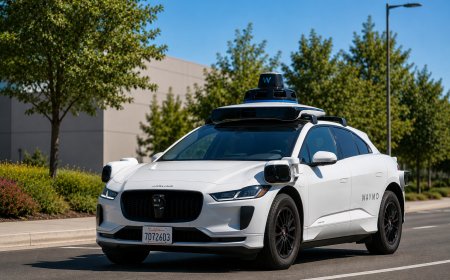
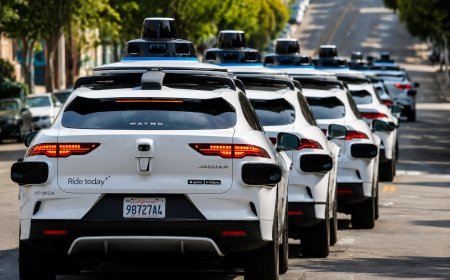
Over the last several years, Uber has secured partnerships with numerous autonomous vehicle technology companies. However, the company’s robotaxi business began gaining significant commercial traction in March 2025 with the launch of the Waymo on Uber service in Austin.
Since then, Uber and Waymo have expanded their collaboration to Atlanta. The company has also integrated additional autonomous vehicle providers into its platform, including Motional in Las Vegas and Avride in Dallas. However,gh those services continue to operate with human safety drivers inside the vehicles.
The fact that thousands of belongings have already been reported lost in robotaxis in just a year provides some indication of the growing number of autonomous rides on Uber’s platform.
The company’s existing infrastructure for locating and returning forgotten items is now being extended to support robotaxi operations. According to Uber, recovered belongings have included a 15-pound yo-yo, a large black marble duck, a Squishmallow plush toy, and a Charli XCX poster.
When passengers realise they have left something behind in a robotaxi, the recovery process largely mirrors that of a conventional Uber ride. Users can open the Uber app, navigate to the activity section, select the relevant trip, and contact customer support.
Customers can then communicate with support representatives via messaging, chat, or phone. If the item is successfully located, riders are presented with two options. They can either pay a $15 fee to have an Uber Courier deliver the item locally the same day or collect the item themselves from an autonomous vehicle depot where robotaxis are maintained and serviced.
Uber Courier itself evolved from Uber Connect, a service introduced in 2020 that enabled users to transport packages and personal belongings between local destinations. However, Uber says its support strategy for autonomous vehicles goes beyond simply adapting existing services.
“With tens of millions of lost items reported on Uber each year, we’ve spent the last decade building systems that help riders quickly and seamlessly reunite with their belongings,” said Amy Satrom, Uber’s Global Head of Autonomous Support.
“As autonomous rides continue to scale on Uber, we’re bringing that same expertise to AVs — combining our fleet operations, support teams, and hybrid network to make getting a lost item back simple, even when there’s no driver behind the wheel,” she added.
The company’s focus on autonomous transportation extends well beyond lost-item recovery. In February, Uber announced the creation of Uber Autonomous Solutions, a dedicated business unit designed to support the company’s broader ambitions in driverless transportation.
The division provides software, operational tools, and support services for businesses operating robotaxis, autonomous freight vehicles, and sidewalk delivery robots. We aim to provide a complete suite of services to manage autonomous transportation fleets at scale.
Uber has made it clear that autonomous vehicles are expected to become a significant contributor to future growth. The company plans to make robotaxi services available through its platform in as many as 15 cities worldwide by the end of the year. It has also publicly stated its objective to become the world’s largest facilitator of autonomous-vehicle trips by 2029.
As robotaxi adoption accelerates, Uber’s latest Lost & Found report shows that while transportation technology evolves quickly, one thing remains the same: passengers continue to leave behind unexpected belongings.
What's Your Reaction?
 Like
0
Like
0
 Dislike
0
Dislike
0
 Love
0
Love
0
 Funny
0
Funny
0
 Angry
0
Angry
0
 Sad
0
Sad
0
 Wow
0
Wow
0