
































Google launches AI-powered scam detection to combat deepfake impersonation calls
Google has introduced advanced call scam detection technology to help users identify AI-generated deepfake impersonation calls and prevent fraud.
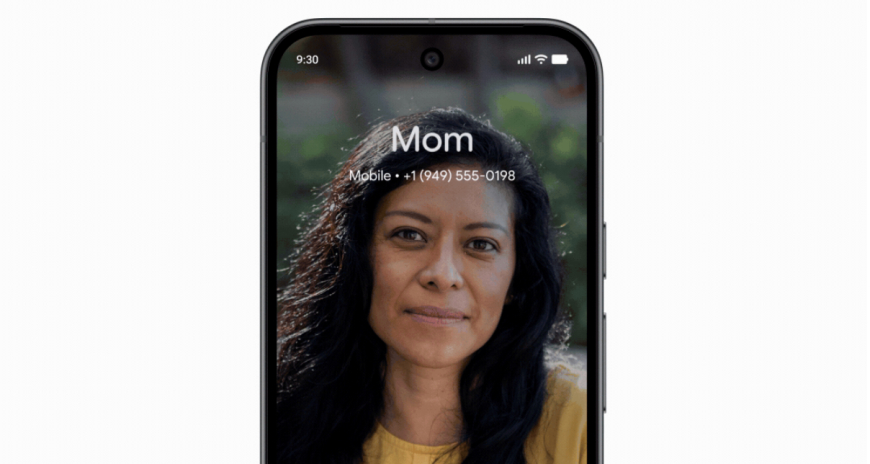
Google announced on Tuesday that Android is introducing a new fake-call detection feature to help protect users from AI-powered deepfake impersonation scams. The capability is being rolled out globally through Phone by Google on Android 12 and newer devices this month, with availability beginning on Pixel smartphones.
The new security feature arrives as scammers increasingly adapt their tactics in response to changing user behaviour. As more people ignore calls from unknown numbers, fraudsters have turned to spoofing trusted phone numbers and using artificial intelligence to mimic the voices of family members, employers, government officials, and other trusted contacts.
For example, a user could receive a phone call displaying the caller ID “Mom,” and the voice on the other end may sound identical to their mother’s. In reality, however, the call could originate from a scammer using AI-generated voice cloning technology to impersonate a trusted person and request money for a fabricated emergency.
Google says the new fake call detection system is enabled by default and operates automatically in the background without requiring users to take any action.
According to the company, the technology operates like a digital handshake between devices. When a trusted contact calls and both parties are using Phone by Google, the caller’s device silently transmits a verification signal to confirm that the call is genuinely originating from that device.
“If a scammer tries to impersonate your trusted contact, that initial confirmation signal will be missing,” Google explained in a blog post. “Your device will instantly notice this and ping your contact’s actual device to double-check. If their real device says, ‘I’m not making a call right now,’ you’ll get a warning on your screen advising you to hang up immediately.”
Google noted that the technology is built on top of Rich Communication Services (RCS), enabling other applications and companies to potentially adopt and integrate similar protections in the future.
The fake call detection announcement was part of a broader collection of Android updates unveiled by Google.
Among the new additions is a Google Photos feature that allows users to mix and match clothing items and virtually try on outfits. The new “wardrobe” capability analyses clothing appearing in a user’s photo library and converts those items into browsable snapshots stored on the device. The feature is scheduled to begin rolling out next week to eligible Android 10 and newer users in the United States, India, and Brazil.
Google is also introducing a new “Catch me up” feature for Google Play Books. The tool is designed to help readers quickly return to a story by providing a summary or recap of previous content. Users will additionally be able to highlight sections of text and ask questions about them. These capabilities are becoming available today for select English-language titles.
Another update expands the functionality of Android’s Circle to Search feature. Previously, users could search for individual items they saw on screen. With the new enhancement, Circle to Search can now identify and search for every item within an outfit simultaneously, eliminating the need to look up each piece separately. The update is available now on Android 14 and newer devices that support Circle to Search.
With the introduction of fake call detection and several new AI-powered experiences across Android services, Google is continuing to expand the role of artificial intelligence in both device security and everyday user interactions.
What's Your Reaction?
 Like
0
Like
0
 Dislike
0
Dislike
0
 Love
0
Love
0
 Funny
0
Funny
0
 Angry
0
Angry
0
 Sad
0
Sad
0
 Wow
0
Wow
0