



































Horror Becomes Big Business in 2026 as Resident Evil, Indie Films and Streaming Shows Surge
Horror is thriving across games, movies and streaming in 2026, fueled by Resident Evil Requiem, low-budget film hits and Apple’s Widow’s Bay series.
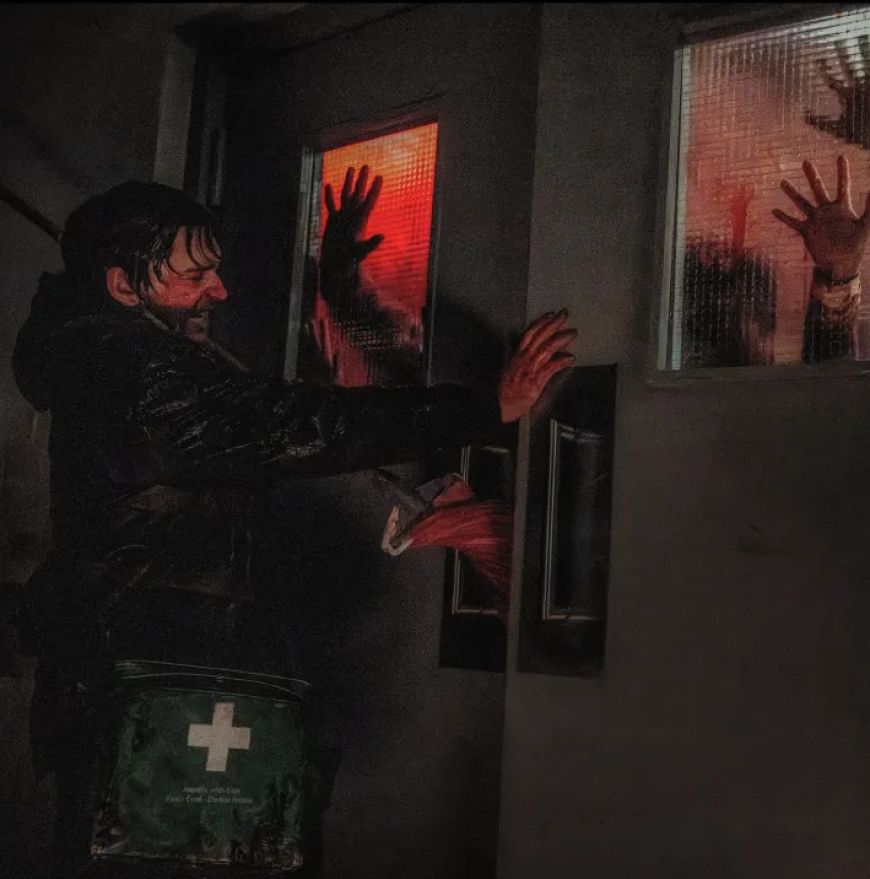
Horror has become one of entertainment’s biggest success stories in 2026, with blockbuster video games, independent films and streaming series attracting audiences across multiple platforms. What was once considered a relatively specialised genre is now producing some of the year’s most commercially impressive releases, often without the enormous budgets traditional Hollywood franchises require.
Capcom’s Resident Evil Requiem has sold 8 million copies, independent horror films such as Backrooms and Obsession have delivered exceptional theatrical returns, and Apple has renewed its supernatural comedy-horror series Widow’s Bay for a second season. These successes point to an entertainment market where distinctive concepts, established fan communities, and efficient production budgets can matter more than expensive spectacle.
Resident Evil Requiem Shows the Commercial Strength of Horror Gaming
Resident Evil Requiem, released February 27, 2026, has become a major success for Capcom. The survival-horror game reached 8 million units sold by June 30, making it the franchise’s fastest-selling title at that milestone.
In its September 2026 announcement, Capcom confirmed the sales figure while recognising the game’s achievement at the Japan Game Awards. The company attributed its strong reception to a mix of familiar survival-horror elements, two protagonists, and the series’ established identity.
Requiem features Leon S. Kennedy and Grace Ashcroft, whose contrasting experiences balance action with psychological tension. The game also benefits from its availability on PlayStation 5, Xbox Series X|S, Nintendo Switch 2, and PC, bringing the franchise to a broad audience.
Its performance shows how established horror properties can stay commercially relevant without abandoning the traits that made them popular. Carefully managed tension, recognisable characters and unsettling environments remain central to Resident Evil’s identity, even as its presentation becomes more technologically sophisticated.
Independent Horror Films Are Challenging Hollywood’s Biggest Franchises
The theatrical market offers an even more striking example of horror’s commercial appeal. Independent productions have generated substantial revenue despite operating with considerably smaller budgets than major studio blockbusters.
Backrooms, directed by YouTube creator Kane Parsons and distributed by A24, opened with approximately $81.5 million in North America over its debut weekend in May. The film was produced for a reported budget of approximately $10 million, making its opening particularly remarkable.
The project began as Parsons’ popular internet horror videos, which explored unsettling, seemingly endless interior spaces. Its theatrical adaptation shows how an online concept can become a commercially viable film without first emerging from an established Hollywood franchise.
Obsession followed a similarly unconventional path. Directed by former YouTube creator Curry Barker, the film cost less than $1 million to produce and had already generated about $148 million worldwide by the end of May.
According to Los Angeles Times box-office reporting, both films outperformed major franchise competition during the same period. Their success highlighted the growing commercial influence of filmmakers who developed their audiences through online platforms.
Another notable example is Iron Lung, the independently produced horror film directed by YouTube creator Markiplier. Released in January, it earned approximately $50 million worldwide against a reported production budget of $3 million.
These results do not mean that every independent horror production becomes profitable. Marketing expenses, distribution agreements and revenue sharing still affect financial returns. Nevertheless, the contrast between relatively small production budgets and strong ticket sales explains why studios are increasingly interested in the genre.
Streaming Platforms Are Investing in Horror Beyond Halloween
Horror’s popularity is also evident on streaming services, where audiences increasingly expect unsettling stories year-round rather than only during the Halloween season.
Apple’s Widow’s Bay shows how the genre is evolving. The series combines supernatural mystery, horror and comedy around an isolated island community whose residents confront increasingly strange events.
Apple confirmed the show’s second-season renewal in June 2026. The decision reflects the company’s confidence in the series, although Apple has not publicly disclosed detailed viewing figures.
Widow’s Bay also shows how horror can attract viewers without relying entirely on conventional jump scares or extreme violence. Its mix of small-town humour, supernatural uncertainty, and character-driven storytelling makes the series accessible to audiences who might not ordinarily seek out straightforward horror.
Across streaming, the genre offers considerable flexibility. Supernatural mysteries, psychological thrillers, creature features, and horror comedies can serve different audience preferences while still generating discussion and anticipation.
Why Horror Works So Well for Smaller Creators
One of horror’s biggest commercial advantages is that an effective concept doesn’t necessarily require expensive visual effects, celebrity casting, or elaborate locations. Sound design, atmosphere, restricted environments and the careful withholding of information can create tension at comparatively modest production costs.
That makes horror especially attractive to independent filmmakers and digital creators. A memorable premise can emerge from a short online video, an experimental game or a small production team before expanding into a larger project.
Backrooms is a particularly clear example. Its original appeal came from familiar-looking spaces transformed into something disturbing through unusual lighting, silence and the suggestion of an unseen threat. The concept was recognisable long before its theatrical adaptation.
Online communities also help independent horror projects build visibility. YouTube creators may arrive with established audiences, while horror games often spread through streaming reactions, discussion videos and word of mouth. These channels can amplify a compelling idea without requiring the promotional resources of a traditional entertainment franchise.
The commercial advantage is not simply that horror is inexpensive. Successful projects must still offer a distinctive experience, and audiences can quickly reject repetitive concepts. The strongest independent releases combine recognisable genre elements with original creative decisions.
Horror Games and Films Are Increasingly Connected
Video games have become an important source of inspiration for filmmakers seeking new horror material. Interactive experiences can build memorable settings and creatures while letting audiences form attachments to particular worlds before a movie adaptation is announced.
The relationship also works in reverse. Film-inspired horror games and cinematic storytelling techniques have influenced how developers approach atmosphere, pacing and character presentation.
Unlike traditional action franchises, horror properties can sometimes move between formats without requiring enormous fictional universes. A recognisable environment, central mystery or distinctive threat may provide enough material to support a game, film or television adaptation.
However, successful adaptation is not guaranteed. A frightening experience that works through player interaction may lose some of its impact when converted into a passive viewing format. Developers and filmmakers still need to understand what makes the original concept effective.
Horror’s Success Is Changing Entertainment Investment
For entertainment companies, horror’s appeal extends beyond individual box-office hits. The genre offers a range of production models, from relatively inexpensive independent projects to established franchises supported by global marketing campaigns.
It also provides opportunities to discover creators outside traditional industry pipelines. The success of filmmakers with YouTube backgrounds suggests that a creator’s ability to develop an audience and sustain a compelling concept can be commercially valuable.
Studios are increasingly exploring horror ideas that began as internet stories, independent games or viral videos. Yet rising investment could create a familiar problem: as budgets grow and more companies compete for recognisable intellectual property, some projects may lose the financial flexibility that made them attractive.
The most promising direction, therefore, is not simply producing more horror. It is supporting distinctive filmmakers and developers whose ideas can stand apart from conventional franchise formulas.
Why Horror’s Popularity Could Continue Beyond 2026
Horror’s current strength is not confined to one successful game or movie. Resident Evil Requiem demonstrates the staying power of established franchises, while Backrooms, Obsession and Iron Lung show that independent creators can compete for substantial audiences. Widow’s Bay adds another dimension by demonstrating the appeal of genre-blending horror on streaming television.
Together, these examples reveal an entertainment category with unusually broad creative possibilities and multiple paths to commercial success. Horror can deliver intimate psychological stories, cinematic spectacle, interactive survival experiences, or dark comedy without relying on a single established formula.
The genre will still experience disappointments, and successful low-budget releases should not be mistaken for guaranteed financial returns. But its ability to attract audiences across theatres, gaming platforms and streaming services gives horror a stronger commercial position than its old niche reputation suggests.
In 2026, horror is no longer merely a reliable seasonal attraction. It has become a significant part of the entertainment business, with independent creators and major companies increasingly competing to shape its future.
What's Your Reaction?
 Like
0
Like
0
 Dislike
0
Dislike
0
 Love
0
Love
0
 Funny
0
Funny
0
 Angry
0
Angry
0
 Sad
0
Sad
0
 Wow
0
Wow
0