






























Mechanism Basecase: A $49 Nintendo Switch 2 Case With Modular Grips and Mounts
Mechanism’s $49 Basecase for Nintendo Switch 2 combines protective construction, interchangeable grips, cartridge storage and modular mounting accessories.
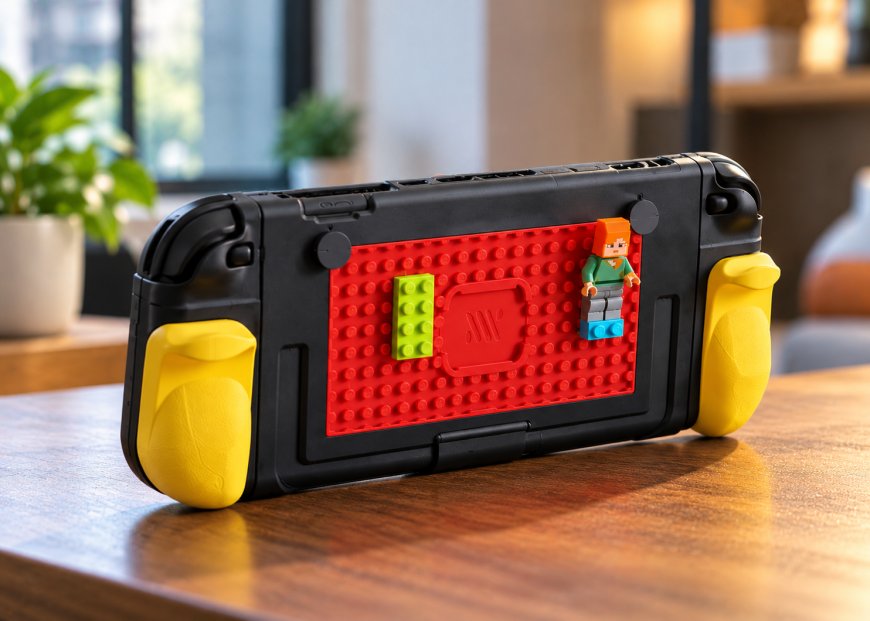
Most Nintendo Switch 2 cases offer a familiar compromise: better protection at the cost of added bulk or less convenient docking. Mechanism’s $49 Basecase takes a more ambitious approach, combining a protective shell with interchangeable grips, hidden game cartridge storage and a mounting system designed for different ways of playing.
The Basecase is particularly interesting because its modular design extends beyond the case itself. Owners can attach it to Mechanism’s existing accessories, swap rear plates and use freely available files to 3D-print customised components. Early independent hands-on impressions suggest that the company has also paid close attention to fit and construction, two areas where modular cases can struggle.
Its biggest limitation is docking. The Switch 2 cannot slide into Nintendo’s official dock while wearing the Basecase, though Mechanism includes a USB-C adapter to work around the issue. Whether that inconvenience is acceptable depends largely on how frequently the console moves between handheld and television play.
Design and Build Quality
The Basecase uses an impact-resistant polycarbonate shell with rubberised edges that extend slightly above the Switch 2’s screen. The mechanism adds about 2mm of material around the console, balancing protection with a relatively restrained profile.
A locking mechanism near the bottom USB-C port secures the main shell to the console. The design prevents unwanted movement, especially when the Switch 2 is attached to one of Mechanism’s mounting accessories.
The case also preserves access to essential hardware features, including buttons, ports, ventilation openings and the game card slot. Nintendo’s built-in kickstand remains usable once you move the case’s locking component out of the way.
These details matter more than decorative styling. A case for regular handheld gaming must stay securely attached without interfering with cooling, controls, or everyday charging.
Mechanism outlines the construction and compatibility features on its official Basecase product page, which lists the accessory at $49.
Interchangeable Joy-Con 2 Grips Improve Flexibility
The Basecase includes two interchangeable ergonomic grip options for the Joy-Con 2 controllers. The different shapes give users flexibility in how much extra material they want around their hands.
That approach is more useful than a single oversized grip permanently attached to the case. Players who prefer a slimmer handheld can choose a less substantial option, while those seeking additional support during longer sessions can use a larger grip.
Independent hands-on reports describe the grips as comfortable and relatively easy to attach. Their secure attachment matters because players naturally lift and support handheld consoles by holding their controllers.
However, there is a practical tradeoff. Adding grip material increases the handheld’s overall size and weight, which may not suit players who prioritise portability or use compact carrying bags.
Comfort also depends on hand size and playing position. The inclusion of different grips is a meaningful advantage, but it does not guarantee an equally comfortable fit for everyone.
Hidden Cartridge Storage Adds a Useful Detail
The mechanism integrates game storage into the removable Joy-Con grips. Each grip hides a compartment for a Nintendo Switch game cartridge, letting players carry spare physical games without needing a separate cartridge holder.
The arrangement makes particularly good use of space that would otherwise serve only an ergonomic purpose. It also helps keep small game cards together when moving between home and portable play.
The storage feature is especially relevant to players who maintain physical game collections. Digital-only users will have less reason to value it, but the compartments do not fundamentally change how the case functions.
As with any small accessory compartment, users should ensure cartridges are seated securely before travelling. The design is convenient, but it’s’not a replacement for a protective carrying case when transporting the entire console.
Modular Mounts Are the Basecase’s Biggest Advantage
The Basecase is built around Mechanism’s existing mounting ecosystem. Its interchangeable rear plate provides an attachment point for compatible accessories, letting you position the Switch 2 in ways ordinary protective cases cannot easily accommodate.
Available options include Mechanism’s Gaming Pillow, desktop mounts, and other accessories for different playing environments. These products can support the console independently, reducing the need to hold its full weight throughout a gaming session.
That flexibility matters for people who play in bed, use handheld consoles at a desk, or want a more comfortable viewing position during extended sessions. Instead of purchasing a separate stand for each situation, owners can use compatible mounting components with the same case.
Mechanism sells mounting accessories separately, so the $49 Basecase should not be mistaken for a complete mounting package. The ecosystem’s value depends on which additional components a buyer actually needs.
3D Printing Makes the Case More Customisable
Another distinctive feature is support for user-designed and 3D-printed components. The Mechanism provides free design files that you can modify to create alternative grips, rear plates, and functional attachments.
This opens the door to customisation beyond colour changes. Compatible designs can add cartridge storage, decorative elements, or specialised mounting arrangements.
The approach also provides an unusual level of flexibility for a commercial gaming accessory. Rather than requiring every attachment to come directly from the manufacturer, the system lets people with compatible equipment experiment with their own designs.
Mechanism distributes its files through Printables and MakerWorld. The company also says it intends to expand its selection of manufactured accessories over time, although future releases and availability should not be treated as guaranteed.
Importantly, you don’t need a 3D printer to use the Basecase. The included grips and standard rear mounting system provide functionality without any modification.
Docking Works, but Not as Conveniently as a Bare Switch 2
The Basecase’s clearest compromise concerns Nintendo’s official Switch 2 dock. Because the protective shell adds material around the console, you can’t insert it into the dock the normal way.
The Mechanism: The included Dock Stick, a compact USB-C adapter, connects the protected console to the official dock. This lets players keep the case installed when switching to TV play.
The adapter solves the compatibility problem, but it introduces an extra step. Instead of simply dropping the console into the dock, users must position the adapter and manually connect the Switch 2.
Independent hands-on impressions suggest the setup works, though initial installation can be less straightforward than the product’s promotional presentation suggests.
For players who mostly use their Switch 2 in handheld mode, the compromise may be relatively minor. Those who dock and undock their consoles several times each day may find it more frustrating.
How the Basecase Compares With Other Switch 2 Cases
The Basecase competes with modular accessories such as Dbrand’s Killswitch and more conventional protective shells from companies including JSAUX and Spigen.
Its main advantage is the combination of protection, interchangeable grips and built-in mounting compatibility. The ability to use 3D-printed attachments is another distinction that is hard to replicate with a basic plastic shell.
However, buyers who want scratch protection or a more secure handheld grip may not need this level of customisation. Less customisation can cover those basic requirements without introducing a broader accessory ecosystem.
The Basecase makes the strongest case when the mounting system is part of the purchase decision. Its $49 price becomes more appealing when the owner already has compatible Mechanism accessories or plans to use the same mounting system regularly.
Pros and Cons
Pros
- Secure protective shell with raised rubberised edges.
- Interchangeable ergonomic grips for different hand sizes and preferences.
- Hidden Nintendo Switch game cartridge storage inside the grips.
- Compatible with Mechanism’s modular mounting accessories.
- Customisable backplates with free 3D-printing design files.
- Includes a USB-C Dock Stick adapter for TV-mode compatibility.
Cons
- Cannot fit directly into Nintendo’s official Switch 2 dock.
- Docking requires an extra adapter and an extra step.
- Protective shell and grips add bulk to the handheld console.
- Compatible mounts and other accessories are sold separately.
- Advanced customisation requires access to a 3D printer.
Final Verdict: A Smart Choice for Modular Handheld Gaming
The Mechanism Basecase is more interesting than a typical protective case because its features work together toward a clear purpose. The secure shell protects the console, interchangeable grips improve handheld comfort, and the mounting system lets you use the Switch 2 in positions that would otherwise require separate accessories.
Its most convincing feature isn’t its ability to customise its appearance; it’s the practical flexibility of a single mounting platform that supports different gaming setups.
The docking adapter remains a compromise, and buyers who rarely use external mounts may find a simpler case more economical. Nevertheless, the included grips, cartridge compartments, and modular rear plate make the $49 price reasonable for users who want more than basic protection.
Based on its confirmed specifications and early independent hands-on impressions, the Basecase looks like a thoughtfully developed accessory for Nintendo Switch 2 owners who spend substantial time playing in handheld mode. It is particularly appealing to existing Mechanism users, but newcomers should weigh the cost of additional mounts before deciding whether the ecosystem fits their needs.
What's Your Reaction?
 Like
0
Like
0
 Dislike
0
Dislike
0
 Love
0
Love
0
 Funny
0
Funny
0
 Angry
0
Angry
0
 Sad
0
Sad
0
 Wow
0
Wow
0