

































Anbernic RG DDS Preview: Dual Screens and Snapdragon Power for 3DS Games
Anbernic RG DDS features a Snapdragon G2 Gen 2 chip, two high-resolution screens, a stylus and a 6,000mAh battery. Pricing and release date remain unannounced.
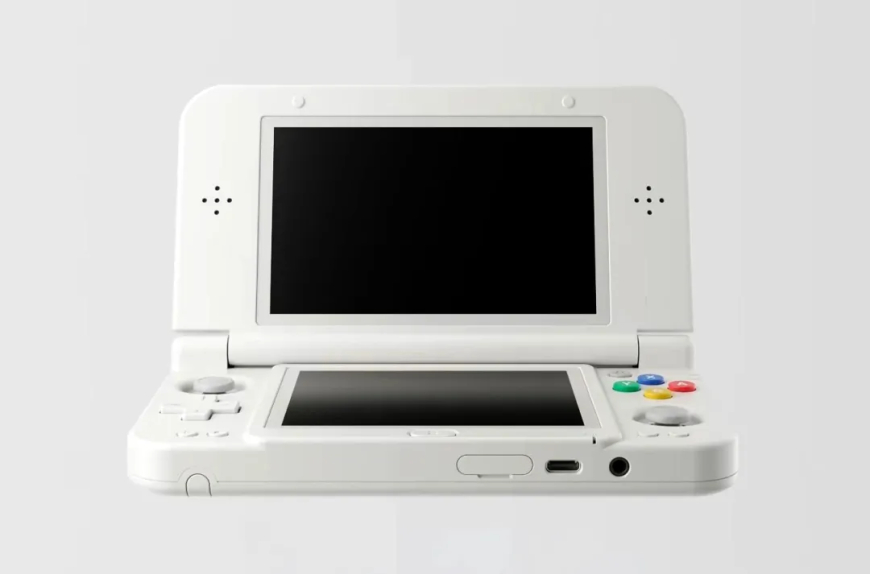
The Anbernic RG DDS is shaping up to be one of the more interesting handhelds for Nintendo 3DS enthusiasts. Its dual-screen clamshell design closely follows Nintendo’s discontinued console, but the hardware underneath is considerably more ambitious. A Qualcomm Snapdragon G2 Gen 2 processor, higher-resolution displays and additional gaming controls position it as a modern alternative for players interested in dual-screen emulation.
Anbernic has demonstrated the handheld running Nintendo 3DS titles alongside games originally released for Xbox, PlayStation 3 and other platforms. Early footage is promising, but the company hasn’t announced a price or release date, and its demos can’t show how reliably every supported emulator will perform.
Design: A Familiar 3DS Layout With Modern Controls
The RG DDS, short for Dream Dual Screen, uses a folding design with two displays that closely resembles Nintendo’s original 3DS. Unlike earlier Anbernic dual-screen models, the RG DDS includes two analogue sticks, making it better suited to games that require independent movement and camera control.
The lower half accommodates the directional pad, ABXY buttons and an integrated retractable stylus. Anbernic also added front-facing stereo speakers, a Z-axis linear vibration motor, and dual alloy friction hinges designed to provide controlled movement when opening and closing the device.
Anbernic’s official product announcement says the handheld features a UV-coated finish and redesigned controls around the lower touchscreen. The layout seems practical for games that rely on simultaneous touch and physical inputs, though comfort, hinge durability, and button responsiveness remain untested.
Dual Displays Designed for Nintendo 3DS Emulation
The RG DDS features a 4.7-inch upper IPS display with a 1200 x 720 resolution and a 5:3 aspect ratio. The lower 4-inch IPS touchscreen offers a 960 x 720 resolution with a 4:3 aspect ratio. Both panels are rated at 300 pixels per inch and 500 nits of brightness.
These specifications are particularly well suited to Nintendo 3DS emulation. Each screen supports threefold scaling in both dimensions compared with the corresponding original 3DS image, allowing compatible games to display considerably sharper graphics while preserving their intended proportions.
Anbernic says the displays match for brightness, colour, and refresh rate to provide a consistent appearance. However, the RG DDS does not reproduce the original Nintendo 3DS’s glasses-free stereoscopic 3D effect. Players get sharper 2D images rather than the depth perception Nintendo’s hardware offers.
For many games, that may be a reasonable compromise. The bigger advantage is keeping both screens visible without squeezing them into a single display or forcing manual switching.
Snapdragon G2 Gen 2 Brings More Emulation Potential
The handheld runs on Qualcomm’s Snapdragon G2 Gen 2 processor and an active cooling system with an internal fan. The chipset is far more powerful than the hardware in Anbernic’s earlier budget-oriented dual-screen devices.
Anbernic’s official gameplay demonstration shows Nintendo 3DS titles including Pokémon Ultra Sun, Resident Evil: Revelations, The Legend of Zelda: Ocarina of Time 3D and Kirby: Triple Deluxe. Some games are demonstrated at three times their native rendering resolution, while others are shown at five times.
The company also demonstrates emulation involving PlayStation 2, PlayStation 3, Xbox and Wii U games, alongside Android gaming and PC software running through compatibility tools. This is an ambitious selection for an ARM-based portable device, but individual demonstrations should not be interpreted as guaranteed compatibility across those platforms.
PlayStation 3 and Xbox emulation remain technically demanding, particularly on Android-based handhelds. Performance can vary considerably between games, emulator versions and graphics drivers. Independent testing will be necessary to determine whether the RG DDS can sustain acceptable frame rates during extended gameplay.
Battery, Cooling and Software
The RG DDS includes a 6,000mAh rechargeable battery. Anbernic has not published an official battery-life estimate, so the device’s endurance remains uncertain. Running two displays alongside demanding emulation software may put considerable pressure on battery life and thermal management.
The active cooling system should provide additional thermal headroom, but fan noise and sustained performance cannot yet be evaluated reliably. Anbernic has also redesigned its control centre to provide convenient access to performance settings, cooling controls, display brightness and dual-screen configuration.
These adjustments could make the handheld easier to manage when switching between emulators with different requirements. However, the quality of the software experience will depend on compatibility, stability and how much manual configuration players need to perform.
How the RG DDS Compares With Other Dual-Screen Handhelds
Anbernic already offers the RG DS and RG DS Plus, which focus on less demanding retro gaming and Nintendo DS-style experiences. The RG DDS moves into a more powerful category, with specs designed to handle higher-resolution Nintendo 3DS emulation and potentially more demanding systems.
Its closest competitors include premium dual-screen devices such as the Ayaneo Pocket DS and other Android-based clamshell handhelds. Those alternatives offer different combinations of display technology, processing power and portability.
Pricing will be important. Anbernic has not disclosed the RG DDS’s price, so it’s impossible to tell whether it offers better value than established alternatives. Buyers should avoid relying on speculative prices circulating before the official announcement.
Pros and Cons
Pros:
- Dual displays with resolutions well suited to Nintendo 3DS emulation.
- Snapdragon G2 Gen 2 processor and active cooling system.
- Integrated retractable stylus and dual analogue sticks.
- Clamshell construction with front-facing stereo speakers.
- Early demonstrations include demanding console emulators.
Cons:
- No stereoscopic 3D display functionality.
- Pricing and release date remain unannounced.
- Battery endurance has not been established.
- Compatibility with demanding console games remains uncertain.
- Long-term software reliability and thermal performance require testing.
Preview Verdict: A Promising Handheld for 3DS Enthusiasts
The Anbernic RG DDS addresses a genuine gap in the retro handheld market. Nintendo’s original 3DS hardware is ageing, and many modern handhelds struggle to reproduce its dual-screen experience conveniently. Anbernic’s decision to pair accurately proportioned displays with a more powerful processor gives the RG DDS a clear purpose.
The early demonstrations suggest considerable potential, particularly for Nintendo 3DS emulation. However, the device’s appeal will ultimately depend on its price, software reliability, battery life and sustained performance. The more ambitious PlayStation 3 and Xbox demonstrations are interesting, but they should remain secondary considerations until broader testing is available.
For players who want a dedicated dual-screen emulation device, the RG DDS is worth watching. It may become an attractive alternative to ageing Nintendo hardware, provided Anbernic delivers the performance and pricing needed to support its promising design.
What's Your Reaction?
 Like
0
Like
0
 Dislike
0
Dislike
0
 Love
0
Love
0
 Funny
0
Funny
0
 Angry
0
Angry
0
 Sad
0
Sad
0
 Wow
0
Wow
0