





































India Delays 0.4% UPI Merchant Fee Until After Diwali Amid Retailer Opposition
India postpones its planned 0.4% UPI merchant fee on eligible payments above ₹2,000 until after Diwali, following retailer objections. No new date is set.
India has postponed plans to introduce a 0.4% merchant fee on certain Unified Payments Interface (UPI) transactions after retailers and fuel station operators opposed it. The charge, originally scheduled to take effect on October 15, will now be introduced after the Diwali shopping season.
The National Payments Corporation of India (NPCI), which operates UPI, announced the postponement on Tuesday, October 13, citing the festive period. It has not specified a new implementation date, leaving merchants and payment providers awaiting further details.
The decision delays a significant change to India’s digital payments system, which has largely remained free for merchants since January 2020. The government eliminated merchant transaction charges to encourage digital payments and reduce dependence on cash.
What India’s Proposed UPI Merchant Fee Would Cover
Under the proposed rules, a 0.4% merchant discount rate (MDR) would apply to eligible UPI payments exceeding ₹2,000. Transactions of ₹2,000 or less would remain exempt, along with payments received by small merchants processing less than ₹100,000 monthly through UPI.
NPCI also proposed a maximum charge of ₹300 per transaction to limit costs on larger payments. Participating banks and payment companies would share the revenue collected through the fees to support infrastructure, cybersecurity, and fraud prevention.
According to industry estimates cited by NPCI, operating India’s UPI network costs approximately ₹200 billion annually. Payment providers have argued that rising transaction volumes require a more sustainable funding model to maintain and expand the system.
Retailers Oppose New Digital Payment Charges
Businesses strongly resisted the proposal, citing additional operating expenses. Mobile phone retailers opposed the charges, while petrol pump operators warned they could stop accepting UPI payments above ₹2,000 if the fees were implemented.
The opposition comes as UPI continues to handle enormous payment volumes. According to NPCI transaction statistics, the network processed 24.07 billion transactions worth ₹29.37 trillion in September 2026 alone.
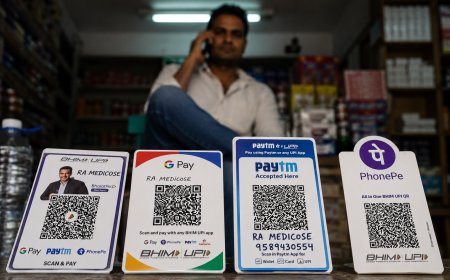
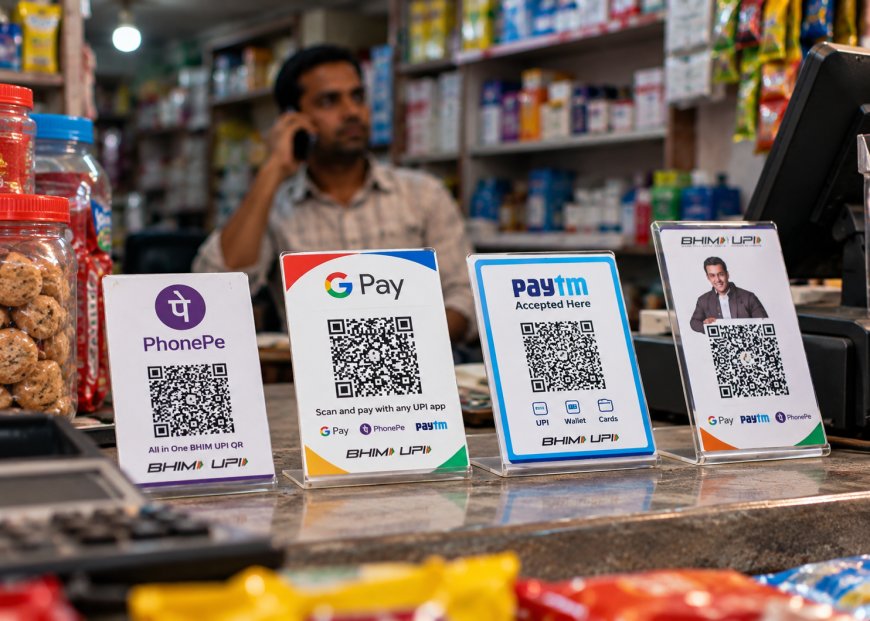
UPI supports payments through major platforms including Google Pay, PhonePe and Paytm. Government subsidies and the removal of merchant fees have supported its widespread adoption, although banks and payment companies still bear substantial operating costs.
The network has also expanded internationally, with UPI payment services available in countries including Singapore, the United Arab Emirates and France. For now, the postponed merchant charges leave existing payment arrangements unchanged through the festive shopping period, and NPCI is expected to announce a revised rollout date.
What's Your Reaction?
 Like
0
Like
0
 Dislike
0
Dislike
0
 Love
0
Love
0
 Funny
0
Funny
0
 Angry
0
Angry
0
 Sad
0
Sad
0
 Wow
0
Wow
0