

































Inside China’s E-Commerce Machine: The Platforms That Matter in 2026
Explore the top e-commerce platforms in China, including Taobao, Tmall, JD.com, Pinduoduo, Douyin, Temu, AliExpress, 1688 and Alibaba.com, covering domestic, cross-border and B2B commerce.
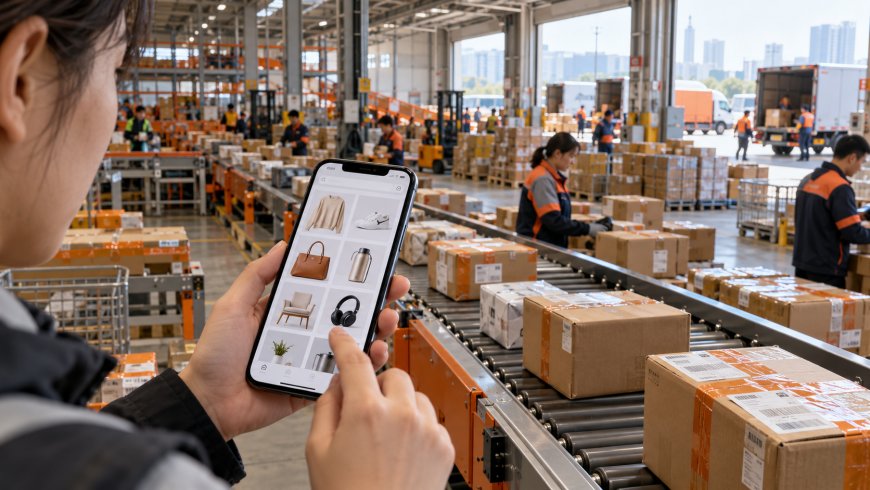
China’s e-commerce market is too diverse to explain with a simple ranking. The biggest platforms serve very different purposes, from everyday shopping and livestream commerce to international retail and wholesale sourcing. For international readers, the more useful question is what each platform is actually built for.
Taobao and Tmall
Alibaba’s Taobao and Tmall remain central to online shopping in China. Taobao is known for its enormous product selection and large number of independent sellers. Consumers use it for clothing, household goods, electronic accessories, collectables, speciality products and much more. Tmall is more focused on established brands and official flagship stores. Major Chinese and international companies use it to reach consumers, making the platform particularly important for branded fashion, beauty, electronics and premium goods. The two services are increasingly integrated, but they still serve different purposes. Taobao offers broader marketplace variety, while Tmall is more closely associated with branded retail.
JD.com
JD.com competes with Alibaba but follows a different retail model. Alongside its marketplace, JD sells a substantial amount of inventory directly and operates an extensive logistics network. Electronics, appliances and technology products remain important categories. JD is particularly attractive to shoppers who value fast delivery, reliable fulfilment and confidence in product authenticity.
Pinduoduo
Pinduoduo helped make price competition a defining feature of Chinese e-commerce. Its early group-buying model encouraged users to shop together for lower prices. The platform later became closely associated with value shopping and connections between consumers, merchants, manufacturers and agricultural producers. Pinduoduo primarily serves consumers in China. Its parent company, PDD Holdings, operates Temu for international markets.
Douyin and Kuaishou
Douyin and Kuaishou have made short video and livestreaming major parts of online shopping in China. Instead of opening an app specifically to search for a product, consumers can discover products while watching videos, creators or livestreams. Douyin, owned by ByteDance, is particularly influential in this discovery-led model. Kuaishou also operates a large e-commerce business built around creators, livestreams and product recommendations. Both platforms show how shopping can now begin with content rather than a traditional product search.
Xiaohongshu
Xiaohongshu, also known as RED or RedNote, is particularly important for product discovery, reviews and recommendations. The platform is widely used for beauty, fashion, travel, food and lifestyle content. Consumers often research products there before buying on another platform such as Tmall or Taobao. For brands, that means Xiaohongshu can influence a buying decision even when the final transaction happens elsewhere.
Tmall Global and JD Cross-Border
International brands looking to sell into China can use platforms such as Tmall Global and JD’s cross-border commerce services. These businesses help overseas companies reach Chinese consumers with imported products. Tmall Global connects brands with Alibaba’s wider commerce ecosystem, while JD places greater emphasis on supply chains, sourcing and fulfilment. They serve a different purpose than AliExpress and Temu, which are primarily targeting consumers outside China.
AliExpress and Temu
AliExpress and Temu are two major Chinese-origin platforms serving international consumers. AliExpress, operated by Alibaba, has long connected shoppers worldwide with merchants and manufacturers in China and other markets. Temu entered the market much later but expanded quickly with low prices, aggressive promotion and a marketplace built around value-focused shopping. Both businesses are also adapting their logistics and fulfilment strategies as international trade rules become more demanding.
1688 and Alibaba.com
For wholesale buyers, 1688 and Alibaba.com solve different problems. 1688 is primarily a domestic Chinese wholesale marketplace. Retailers and businesses use it to source products from manufacturers, wholesalers, and distributors inside China. Alibaba.com is designed for international B2B trade. It connects suppliers and exporters with wholesalers, retailers, a nd other business buyers worldwide. For overseas sourcing, Alibaba.com is generally easier for international buyers to navigate, while 1688 provides deeper access to China’s domestic wholesale and manufacturing network.
No single platform dominates the market.
China’s e-commerce market is increasingly specialised. Taobao and Tmall remain major destinations for broad marketplace and branded shopping. JD competes through retail operations and logistics. Pinduoduo is strongly associated with value shopping. Douyin and Kuaishou have built major businesses around video and livestream commerce, while Xiaohongshu plays an important role in product discovery. Outside China, AliExpress and Temu connect international consumers with global and Chinese supply, while Alibaba.com serves business buyers looking for manufacturers and suppliers.
No single Chinese e-commerce platform is best for every shopper. What matters is what the buyer wants to purchase, where they are located and whether they are shopping as a consumer or sourcing products for a business.
What's Your Reaction?
 Like
0
Like
0
 Dislike
0
Dislike
0
 Love
0
Love
0
 Funny
0
Funny
0
 Angry
0
Angry
0
 Sad
0
Sad
0
 Wow
0
Wow
0

Rui Huang
Rui Huang is a technology writer and product reviewer at TechAmerica.ai with a strong interest in the products and technologies that are becoming part of everyday life. She writes about consumer electronics, e-commerce products, e-bikes, AI robots, home robots, and smart home technology. Her coverage includes everything from smartphones, laptops, tablets, and smartwatches to headphones, speakers, robotic devices, and products sold through online marketplaces. Rui enjoys looking beyond specifications to see what a product is actually like to use. In her reviews, she focuses on performance, design, usability, features, and value, with an eye on the details that can make a real difference for buyers. She also follows new product launches and changes across consumer technology, e-commerce, and robotics. Through her work at TechAmerica.ai, Rui aims to make product information easier to understand and help readers make more informed decisions about the technology they bring into their homes and daily lives.