




























Smallest.ai Raises $13M to Build Human-Like Voice AI
Smallest.ai raised $13 million to develop ultra-fast voice AI models designed to make customer conversations sound more natural and human.
While AI agents are becoming increasingly capable of handling customer support tasks, most users can still immediately recognise when they are speaking with a machine rather than a person.
Smallest.ai believes the next major advance in voice AI will come from smaller, highly specialised models designed specifically for natural conversation, rather than relying entirely on large language models.
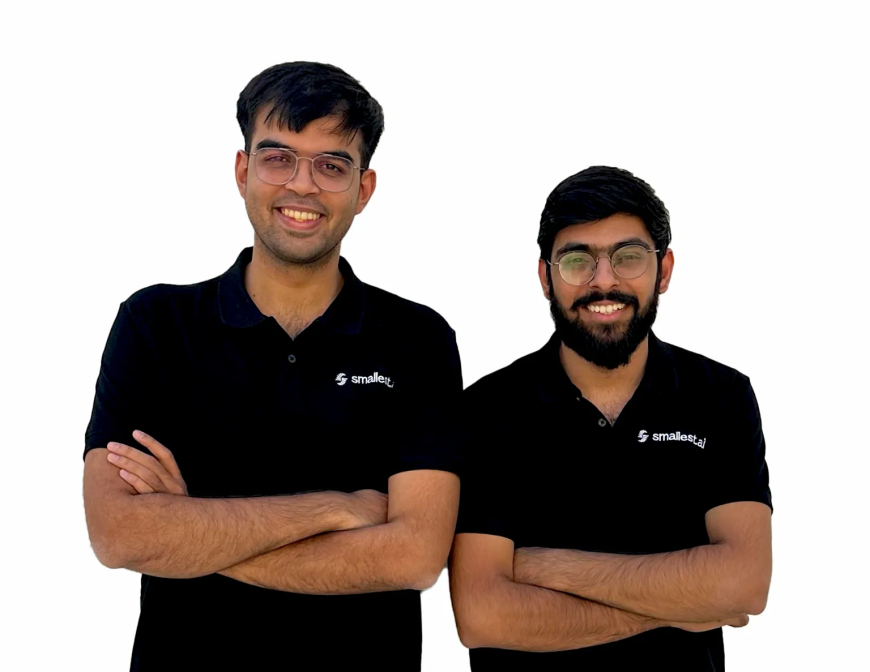
The startup, founded in late 2024, is building voice technology that aims to make conversations with AI agents feel indistinguishable from talking with a human.
To support that goal, the company has raised $13 million in a Series A funding round led by Seligman Ventures, with participation from Sierra Ventures and 3one4 Capital. The investment brings Smallest.ai’s total funding to more than $21 million.
A different approach to voice AI
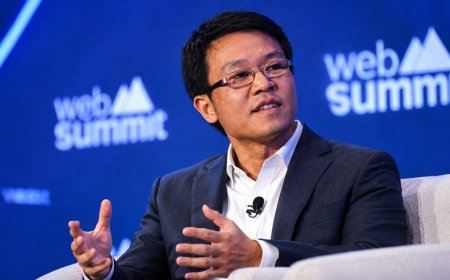
Founder and CEO Sudarshan Kamath said the company’s voice model is designed to mirror the way people naturally communicate by listening, processing information and speaking simultaneously.
“While I’m speaking to you, you’re already thinking, and you might interrupt me if I talk for too long,” Kamath said, explaining that the model is built to operate in the same way.
He argued that conventional large language models introduce delays because they process an entire prompt before generating a response.
While those pauses are acceptable in text conversations, even a brief delay can make spoken interactions feel unnatural.
Instead, Smallest.ai uses a lightweight voice model that serves as a real-time conversational layer with almost no noticeable latency.
If the system encounters a question beyond its specialised knowledge, it transfers the request to a larger foundational model, briefly placing the user on hold. At the same time, it retrieves additional information—similar to how a human customer support representative might respond.
Focused on enterprise voice agents
Kamath believes future AI voice systems will combine two different models: a fast voice model for live conversations and a larger language model that handles more complex requests only when needed.
Unlike broad foundational models, Smallest.ai concentrates on voice-specific challenges, including different accents, multilingual support and maintaining performance in noisy environments.
The company’s customers already include voice technology providers such as RingCentral and Truecaller.
Kamath said customer service platforms, including companies like Sierra and Decagon, also represent potential customers.
When asked why AI customer support companies would not simply build their own voice models, Kamath argued that developing advanced voice technology would distract them from their primary business.
Smallest.ai competes with companies including ElevenLabs, Cartesia and regional voice AI providers such as Sarvam.
While some competitors focus on applications like podcasting or audio dubbing, Smallest.ai is concentrating exclusively on enterprise voice agents designed for real-time customer conversations.
“We want our models to break the Turing test,” Kamath said. “You should speak to our model and not know it’s AI or human. That’s the sole focus of the company.”
What's Your Reaction?
 Like
0
Like
0
 Dislike
0
Dislike
0
 Love
0
Love
0
 Funny
0
Funny
0
 Angry
0
Angry
0
 Sad
0
Sad
0
 Wow
0
Wow
0