


































Precision Neuroscience Raises $250M to Advance Brain-Computer Interface Technology
Precision Neuroscience raises $250 million to advance its brain-computer interface technology, focusing on implantable neural devices that translate brain signals into digital commands.
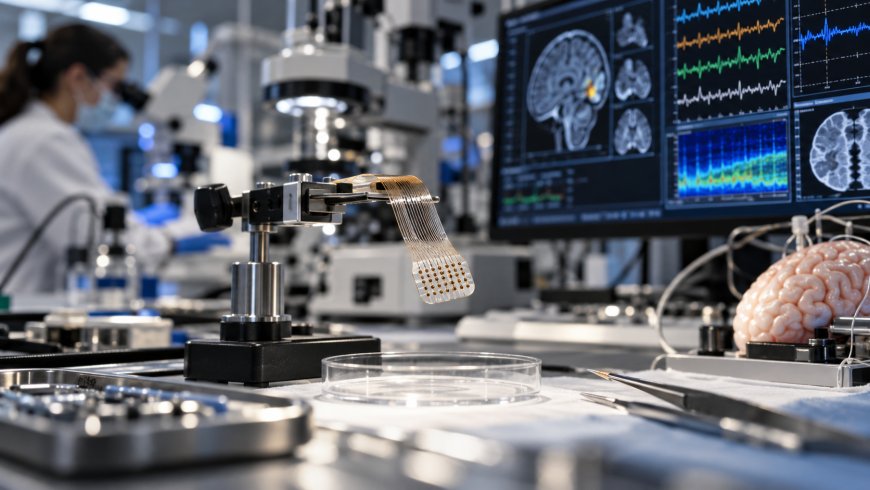
The neurotechnology company is expanding development of its implantable brain-computer interface platform, which is intended to convert neural signals into digital commands.
Precision Neuroscience has raised $250 million while continuing the development of its brain-computer interface (BCI) technology, a medical device platform which captures brain activity and converts neural signals into commands for digital systems.
The funding comes as companies in the neurotechnology field continue exploring implantable devices. These devices could help people with severe neurological problems use computers and other assistive technologies.
The central product of Precision is the Layer 7 Cortical Interface, which is a thin electrode array intended to be placed on the surface of the brain in order to record neural activity. The company is developing this system as a more non-invasive method of achieving brain computer interfaces and hopes to create a medical device that enables communication and digital control via brain signals.
The system picks up the electrical activity in the brain and then uses software to turn these signals into commands that can be used. It does so by employing advanced techniques in signal processing and machine learning to detect patterns in neural activity, although the technology is still aimed at helping the users and not at making clinical decisions on their own.
Precision Neuroscience has obtained FDA 510(k) clearance for parts of its Layer 7 technology concerning the recording, monitoring and stimulation of activity on the surface of the brain.
Expanding clinical development
The funding obtained recently will be used to support Precision's work in the areas of engineering, research and clinical development as the company strives to enhance its brain-computer interface platform. BCI technology remains an emerging field in the development of medical devices, and the companies involved have to deal with a number of difficulties such as the long-term performance of implanted devices, meeting regulatory requirements, interpreting the neural signals reliably and showing that consistent benefits are obtained for patients in real-world situations.
Precision is one of a number of companies currently working on implantable neural interfaces which link the brain with computers. This field involves a variety of technical methods, extending from surface-mounted systems to those that interact with deeper areas of the brain.
The company's most recent investment shows continued interest in combining neuroscience, artificial intelligence, and medical device engineering. Whether or not brain computer interface technology can be widely adopted in healthcare will depend on further clinical validation and regulatory progress.
What's Your Reaction?
 Like
0
Like
0
 Dislike
0
Dislike
0
 Love
0
Love
0
 Funny
0
Funny
0
 Angry
0
Angry
0
 Sad
0
Sad
0
 Wow
0
Wow
0

Keshav Khandelwal
I am a technology and healthcare writer with over four years of professional experience, including experience working with a UK-based medical equipment company. My background has given me practical exposure to the medical equipment and healthcare technology industry.
At TechAmerica.ai, I write about medical equipment, healthcare technology, artificial intelligence, digital health, and emerging technology trends. My goal is to make complex topics clear, informative, and easy to understand while providing readers with useful and well-researched information.