

































Xbox and Activision Blizzard: How Microsoft’s Gaming Division Is Changing
Microsoft’s Xbox division is changing rapidly as Activision Blizzard takes on more franchises and studios amid a major restructuring of the gaming business.
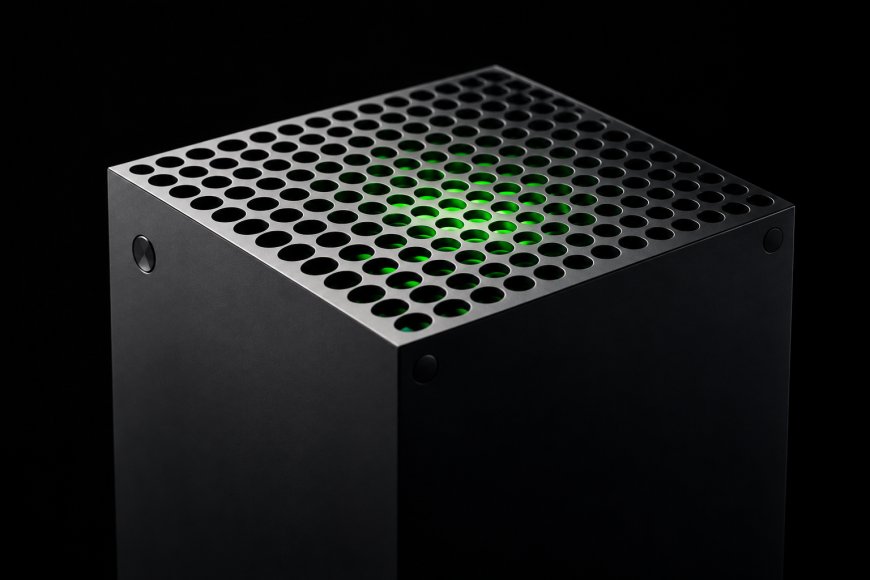
Microsoft is reshaping its Xbox gaming business, with Activision taking responsibility for additional franchises, Bethesda expanding its studio group, and several development teams being combined or moved. The changes are part of a broader Xbox reset that Microsoft began earlier in 2026.
The latest phase includes 268 additional role eliminations across Halo Studios, other first-party studios, and Xbox Game Studios management and central functions. Microsoft says the changes completed since July, including studio divestitures, put the restructuring roughly three-quarters of the way toward completion. Xbox’s official restructuring announcement outlines the changes.
Activision Takes on More Xbox Franchises
Activision is becoming more closely involved in several major Xbox properties. Microsoft says Activision will expand its responsibilities to include World’s Edge and Rare, while also taking development responsibility for the next Halo game through a new purpose-built team.
The new Halo team is separate from the teams working on Call of Duty. Halo Studios will continue with a smaller group focused on supporting existing Halo games and the wider community.
The change marks a significant shift in how Microsoft organises its largest franchises. Rather than keeping every major series within the traditional Xbox Game Studios structure, Microsoft is placing more responsibilities within the businesses it acquired as part of its gaming expansion.
Microsoft completed its acquisition of Activision Blizzard in October 2023, bringing Activision, Blizzard and King into its gaming organisation. Microsoft’s announcement welcoming Activision Blizzard King to Xbox described the acquisition as a way to expand Microsoft’s gaming business across console, PC and mobile.
Bethesda Expands Its Studio Group
Bethesda is also receiving a larger role. Microsoft says Obsidian Entertainment is moving from Xbox Game Studios into Bethesda’s organisation.
Obsidian will continue its existing projects, including Grounded, while also working on a new Fallout project in collaboration with Bethesda Game Studios. The move places Obsidian alongside another group with an established connection to the Fallout franchise.
For players, the immediate change is organisational rather than a change to the announced games themselves. Microsoft has not said that Obsidian is being closed or that its current projects are being abandoned.
Playground Games and Turn 10 Are Becoming One Studio
Microsoft is also combining Playground Games and Turn 10 Studios into a single studio focused on the Forza and Fable franchises.
The two teams have worked together on Microsoft’s racing and role-playing properties for years, but they have previously operated as separate studios. Microsoft says the new structure formally brings their work into one organisation.
The change follows Xbox’s stated goal of operating with fewer business units and aligning groups that already work closely together. Microsoft says the restructuring is intended to strengthen franchises and simplify how its studios operate.
King Takes Over Microsoft’s Casual Games
The reorganisation also extends to mobile and casual gaming. King will expand its responsibilities to include Microsoft Casual Games, bringing together teams responsible for properties such as Solitaire and Minesweeper with the company behind the Candy Crush franchise.
This is another example of Microsoft grouping businesses with similar audiences and operating models rather than maintaining separate structures for every part of its gaming portfolio.
The Changes Follow Thousands of Planned Job Cuts
The September changes are part of a much larger restructuring announced in July. Xbox said at the time that it would reduce approximately 3,200 roles during fiscal 2027, including around 1,600 immediate role eliminations.
Microsoft also announced changes to its studio portfolio. Compulsion Games and Double Fine Productions were set to return to independent management, while Ninja Theory and Undead Labs entered arrangements involving new ownership. The July Xbox reset announcement described the planned changes and Microsoft’s reasoning behind them.
By September, Microsoft said Compulsion and Double Fine had returned to management, while Undead Labs had completed a similar transition. The company also said that discussions concerning Arkane were continuing and that Ninja Theory was facing consultation over a proposed closure after two potential agreements fell through.
Xbox Is Moving Beyond a Console-Only Structure
The organisational changes come as Microsoft continues to define Xbox as a gaming ecosystem spanning console, PC, cloud, mobile and services.
Microsoft’s current Xbox strategy places hardware alongside content, services and broader platform access. In its April 2026 Xbox strategy update, the company identified hardware, content, experience and services as four priorities. It said Xbox was being designed to work across console, PC, mobile and cloud.
Microsoft is also continuing development of its next-generation console, known as Project Helix. Xbox’s Project Helix announcement says the company is developing the system in partnership with AMD while also working to bring a more unified Xbox experience to Windows.
That broader strategy helps explain why the current restructuring cannot be viewed only through the traditional Xbox console business. Microsoft’s gaming operations now include large publishing organisations, mobile properties, PC platforms, cloud services and console hardware.
Gaming Revenue Is Also Part of the Reset
The restructuring comes alongside changes in Microsoft’s reported gaming performance. For fiscal 2026, Microsoft reported that Xbox content and services revenue declined 10 per cent year over year. The company said the comparison was affected by the previousyear’ss strong first-party content performance. Microsoft’s fiscal 2026 results provide the reported figures.
Microsoft has said the reset is intended to improve the structure and economics of the gaming business while concentrating investment on areas with stronger long-term potential. The company has also said it expects the Xbox business to return to growth in fiscal 2027.
Those statements describe Microsoft’s objectives, not a guaranteed outcome. The effect of the restructuring will become clearer as the reorganised teams release new games and the company continues to develop its console, PC, cloud and subscription businesses.
What the New Structure Means for Major Franchises
The most visible consequence is that several major franchises now sit within a different organisational structure. Halo is moving to a new Activision-led development team, Rare and World’s Edge are moving under Activision, Obsidian is joining Bethesda, and Forza and Fable development is being consolidated under a combined Playground and Turn 10 studio.
At the same time, Microsoft is reducing the size of the traditional Xbox Game Studios organisation and separating several studios from the company altogether.
For players, these changes do not automatically determine the quality, release timing or commercial performance of future games. They do, however, show how Microsoft is reorganising its gaming portfolio around fewer groups and larger franchises.
What Comes Next
Microsoft says the Xbox reset is roughly three-quarters complete, so the current structure may not be final. The company still has additional organisational work to complete while its studios continue developing announced games.
The broader direction is already visible: Activision and Bethesda are taking on more responsibilities, Xbox Game Studios is becoming more focused, and Microsoft continues to treat Xbox as a platform spanning multiple devices and services.
The next stage will be measured less by the organisational chart itself and more by how these teams perform under the new structure, how they deliver upcoming games, and how Microsoft balances its console, PC, cloud, mobile, and subscription businesses.
What's Your Reaction?
 Like
0
Like
0
 Dislike
0
Dislike
0
 Love
0
Love
0
 Funny
0
Funny
0
 Angry
0
Angry
0
 Sad
0
Sad
0
 Wow
0
Wow
0