

































Oura Faces Lawsuit Over Alleged Sleep-Tracking Accuracy Claims
Oura faces a proposed class action alleging it overstated the accuracy of its sleep-tracking and sleep-stage features in marketing to U.S. consumers nationwide.
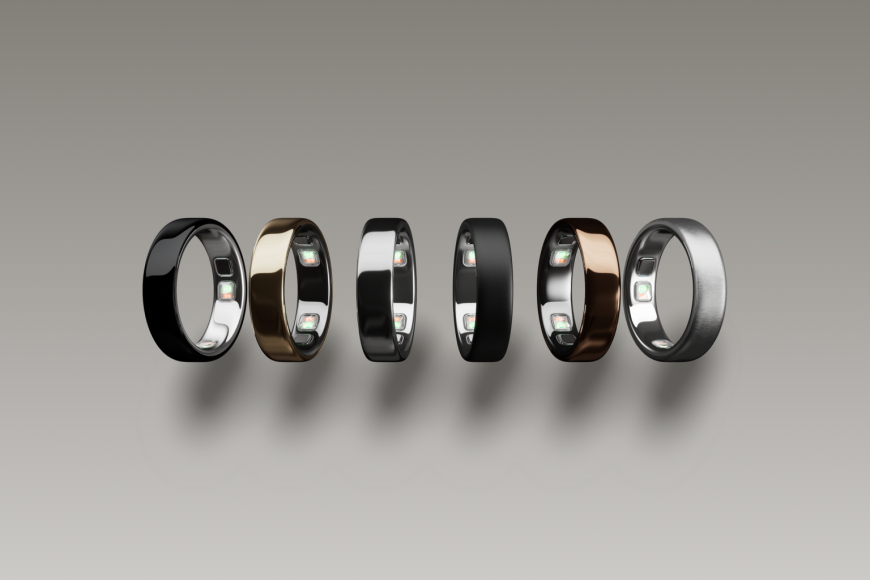
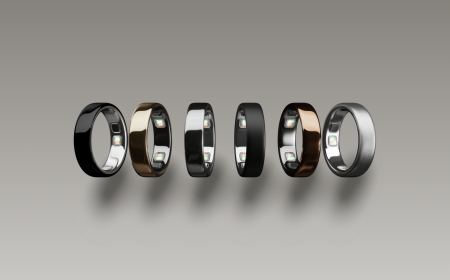
Smart ring maker Oura is facing a proposed class action lawsuit alleging it misled consumers about the accuracy of its sleep-tracking and sleep-stage features.
The complaint filed by Clarkson Law Firm alleges that Oura markets its rings as highly accurate sleep trackers even though the devices do not directly measure the brain activity, eye movements and muscle activity used in clinical sleep studies.
Lawsuit challenges Oura’s sleep accuracy claims
Oura rings use signals collected from the finger and algorithms to estimate when a wearer is awake or in light, deep or REM sleep. The lawsuit argues that these estimates should not be marketed as equivalent to measurements obtained in a clinical sleep laboratory.
The complaint points to Oura marketing that described its products as“built for accuracy” and cited accuracy figures of 79% and, more recently, 95% sleep-staging accuracy compared with a clinical sleep lab. The lawsuit alleges those statements give consumers an inaccurate impression of what the ring can directly measure.
Oura users have also debated the reliability of the company’s sleep estimates online. In one Reddit discussion about Oura sleep scores, users shared differing experiences with how closely their scores reflected how they believed they had slept.
Another discussion questioned the ring’s ability to distinguish REM and deep sleep. Such individual reports do not establish whether Oura’s technology is inaccurate, but they reflect some of the consumer concerns cited in the broader dispute.
Plaintiff seeks changes to Oura’s marketing
The proposed class action seeks to represent U.S. consumers who purchased covered Oura products. It asks the court for restitution and other monetary relief, along with an injunction requiring Oura to change allegedly misleading advertising and marketing practices.
The central issue is not whether the Oura Ring can collect physiological signals from a wearer’s finger. Rather, the lawsuit challenges how accurately those signals can be translated into specific sleep stages and how Oura communicates that accuracy to consumers.
The allegations have not been proven in court, and the filing represents the plaintiff’s claims. The case will determine whether Oura’s marketing crossed the line from describing algorithmic sleep estimates to making misleading claims about their clinical accuracy.
What's Your Reaction?
 Like
0
Like
0
 Dislike
0
Dislike
0
 Love
0
Love
0
 Funny
0
Funny
0
 Angry
0
Angry
0
 Sad
0
Sad
0
 Wow
0
Wow
0