





































Tesla, Base Power Cut Home Battery Costs With Virtual Power Plants
Tesla and Base Power are lowering home battery costs in Texas by using virtual power plants to earn grid revenue while providing backup power to households.
Home battery systems are becoming significantly cheaper in parts of the United States as companies find new ways to profit from the electricity they store. Tesla and startup Base Power are among the companies using virtual power plants to lower the upfront or monthly cost of residential battery storage while helping utilities manage periods of high electricity demand.
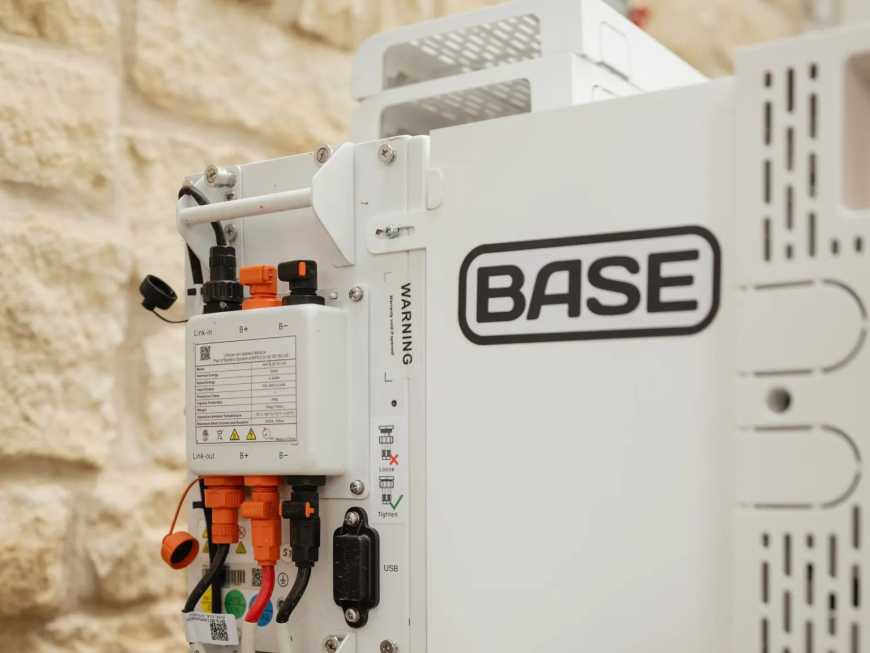
In Texas, Tesla now offers a Powerwall leasing plan that can provide 27 kilowatt-hours of battery capacity for $35 per month. Base Power offers a 39.2-kWh home battery system for a $19 monthly membership. That is a major shift from traditional home battery installations, which can cost more than $10,000 and have historically appealed mainly to homeowners with solar panels or a strong need for backup power.
Virtual power plants change the economics of home batteries
Declining battery costs and the growing use of virtual power plants (VPPs) are supporting lower prices. Instead of treating each home battery as an isolated backup system, a VPP connects large numbers of batteries and coordinates them as a single energy resource.
Operators can charge those batteries when electricity is inexpensive and discharge some of the stored energy when demand and wholesale power prices rise. Utilities and grid operators can then use the aggregated capacity to help balance electricity supply without relying entirely on conventional power plants.
The business model gives battery providers another source of revenue. Part of that value can be passed back to households through lower battery prices, cheaper electricity, or other incentives, reducing the amount consumers pay for the equipment itself.
The virtual power plant market is currently valued at about $7.4 billion and is projected to exceed $30 billion by 2033, according to Grand View Research.
Utilities gain another option for meeting peak demand
Utilities have traditionally dealt with spikes in electricity demand by building peaker plants that operate only during high-demand periods or by paying large commercial customers to reduce consumption temporarily. VPPs offer another option by drawing on batteries and other distributed energy resources already installed near homes and businesses.
They can also be deployed more quickly than conventional generating facilities. Base Power, for example, has an agreement with North Texas electric cooperative CoServ to develop a 100-megawatt virtual power plant using distributed residential batteries.
Base Power utility partnerships head Tim Pianta said a conventional 100-megawatt power plant could require two to four years to become operational. At the same time, the company expects to assemble its distributed system in less than 12 months.
“There are resiliency needs everywhere. Our goal is to have it be a win-win, like it’s a no brainer.”
Distributed batteries can also reduce some infrastructure challenges because the equipment is installed close to where electricity is consumed. Large standalone battery projects typically require direct grid connections and can face congestion, permitting requirements and long interconnection queues.
Competition is pushing the market forward.
Tesla has spent years building a large installed base of Powerwalls, with more than 6.7 gigawatts of capacity deployed. Homeowners have traditionally used the batteries to store inexpensive or excess solar electricity during the day and consume it later when electricity is more expensive or solar generation is unavailable.
New competitors are putting greater emphasis on the grid value of residential batteries. Base Power has been installing about 8 megawatt-hours of battery capacity per day and aims to double that pace by the end of the year.
Growing electricity demand is increasing interest in the model. AI data centres and broader electrification are placing additional pressure on power grids, while new large energy users can face years-long waits for conventional grid connections and infrastructure upgrades.
Nicole Tomasin, chief commercial officer at Energy Access Innovations, said distributed battery fleets could become increasingly important as data centre operators look for faster access to electricity.
“A distributed fleet can be assembled in months against a queue that takes years.”
Virtual power plants are already gaining momentum in markets such as Texas and California. If battery costs continue to fall and utilities place greater value on flexible distributed capacity, the economics that once made home batteries an expensive speciality product could continue to shift toward lower-cost systems supported by the value they provide to the wider grid.
What's Your Reaction?
 Like
0
Like
0
 Dislike
0
Dislike
0
 Love
0
Love
0
 Funny
0
Funny
0
 Angry
0
Angry
0
 Sad
0
Sad
0
 Wow
0
Wow
0