




































Waymo Opens Next-Gen Ojai Robotaxi to Riders in Three Cities
Waymo opens its next-generation Ojai robotaxi to riders in Los Angeles, Phoenix and San Francisco as it expands its lower-cost autonomous vehicle fleet.
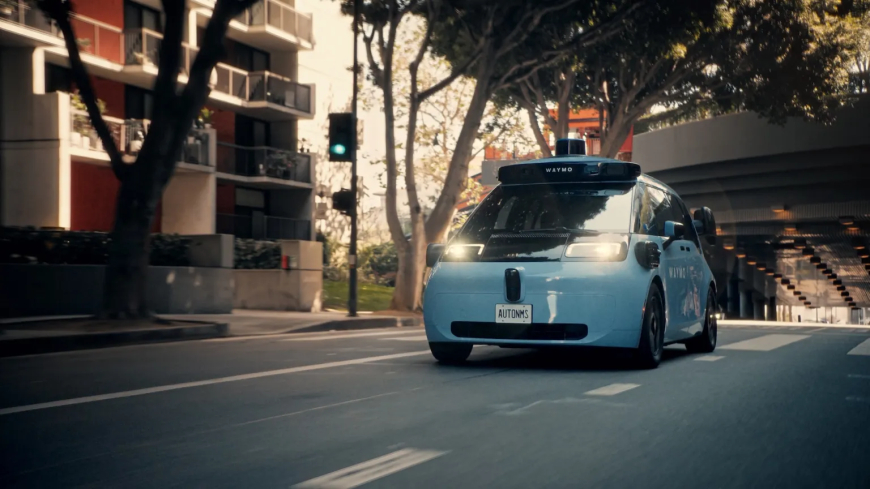
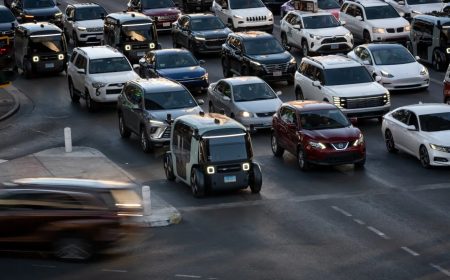
Waymo has opened its next-generation Ojai robotaxi to all riders in Los Angeles, Phoenix and San Francisco, marking an important step in the Alphabet-owned company’s effort to expand its autonomous ride-hailing fleet with vehicles designed to be cheaper to build, operate and maintain.
Customers requesting a Waymo ride in those three markets may now be matched with an Ojai. Riders cannot yet specifically request the vehicle, but Waymo plans to offer that option once enough Ojais are operating alongside its existing Jaguar I-Pace robotaxis. The company currently has about 300 Ojais in its commercial fleet.
Waymo also plans to introduce the Ojai in Denver, Las Vegas and San Diego later this year as its driverless service expands into additional U.S. markets.
Ojai is built around Waymo’s sixth-generation Driver
Waymo has relied heavily on modified all-electric Jaguar I-Pace vehicles for its commercial robotaxi service. The Ojai represents a more purpose-built platform intended to support a much larger fleet.
The vehicle uses Waymo’s sixth-generation autonomous driving system, which was developed as a modular platform that can work across different vehicle types. Reducing the cost and complexity of that system is an important part of Waymo’s strategy as it scales beyond its current markets.
Inside, the Ojai includes a redesigned rider interface and Google’s Gemini AI. Gemini functions as an in-car assistant that can help passengers with information about their journey and certain cabin controls.
The underlying vehicle is a minivan manufactured by Zeekr, the electric vehicle brand owned by China’s Geely Holding Group. Waymo began working with Zeekr in 2021 and spent years developing and testing vehicle prototypes before moving toward commercial deployment.
Designed specifically for robotaxi service
The Ojai is based on Zeekr’s SEA-M platform, an architecture intended for vehicles such as autonomous taxis and delivery vans. Its design prioritises passenger access, durability and the ability to handle the near-continuous operation expected from a commercial robotaxi.
Waymo also wants the platform to reduce long-term operating and maintenance costs compared with adapting conventional passenger vehicles for autonomous service.
One complication is U.S. trade policy. Because the base vehicles are manufactured in China, they face substantial import tariffs that increase Waymo’s cost for every Ojai brought into the United States.
The vehicles arrive without Chinese connected-car technology installed. After entering the U.S., they are sent to Waymo’s Arizona facility, where the company installs its autonomous driving hardware and technology.
Waymo is preparing for a much larger Ojai fleet.
The rollout could accelerate quickly. New York research firm MoffettNathanson, which has tracked shipments of the vehicles, estimates that Waymo is on pace to import 5,000 Ojais into the United States by the end of 2026.
That figure would be more than twice the size of Waymo’s current Jaguar fleet, according to the firm. The pace of imports has already increased significantly, with 725 Ojai vehicles entering the country in July alone.
Scaling the Ojai fleet could help Waymo move away from relying primarily on modified consumer vehicles and toward a platform developed specifically for autonomous ride-hailing. The next test will be whether the purpose-built vehicle can deliver the lower costs, durability and operational efficiency Waymo needs as its robotaxi network expands to more cities.
What's Your Reaction?
 Like
0
Like
0
 Dislike
0
Dislike
0
 Love
0
Love
0
 Funny
0
Funny
0
 Angry
0
Angry
0
 Sad
0
Sad
0
 Wow
0
Wow
0