





























California Robotaxi Law Adds Fines for Blocking First Responders
California’s SB 1246 sets new robotaxi rules that require local incident support and allow penalties when autonomous vehicles block first responders.
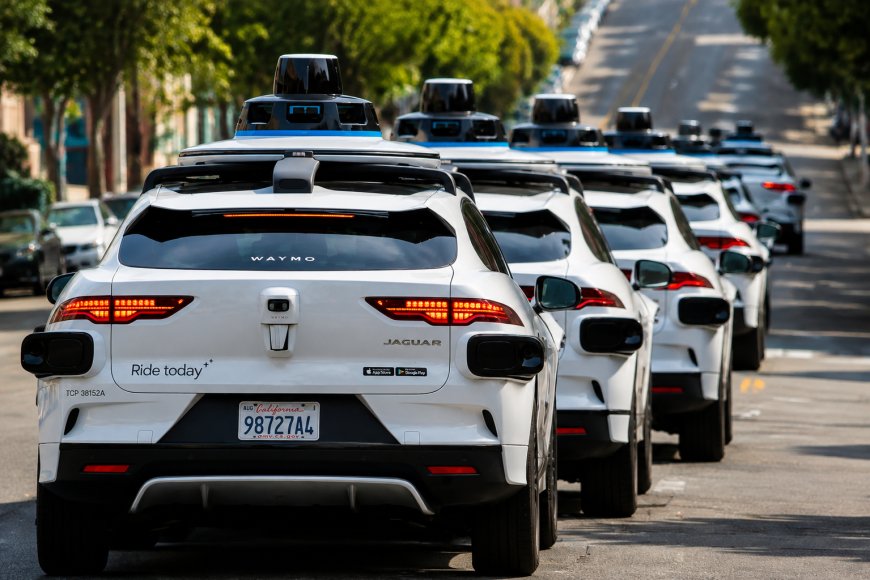
California has adopted new rules for autonomous vehicle companies designed to reduce disruptions when robotaxis break down, block roads, or interfere with emergency responders.
Senate Bill 1246, signed by Gov. Gavin Newsom, will require companies such as Waymo, Tesla and Zoox to provide local, on-the-ground support when their autonomous vehicles cause problems. Companies could also face penalties if a robotaxi blocks police, firefighters or other first responders for more than 30 minutes.
New rules target emergency response problems
The law follows a series of incidents in California in which autonomous vehicles have stopped in traffic, entered active emergency scenes or obstructed first responders.
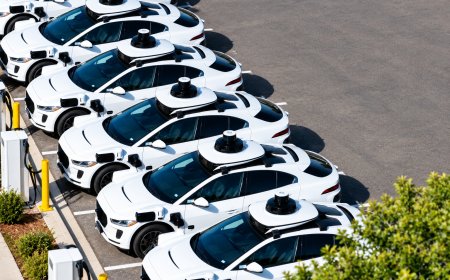
Waymo, which operates one of the largest commercial robotaxi fleets in the country, has been involved in many of the incidents that prompted calls for stricter oversight. State and federal officials have increasingly pushed autonomous vehicle developers to improve how their systems respond around emergency crews.
State Sen. Dave Cortese, who introduced the bill, said California should keep supporting autonomous vehicle technology without letting innovation come at the expense of public safety or accountability.
Remote drivers must be based in the U.S.
SB 1246 also sets new requirements for remote operations. Human remote drivers who directly control autonomous vehicles from a distance must be based in the United States and hold a U.S. driver’s license.
The rule applies specifically to remote drivers who can operate a vehicle, rather than broader remote assistance systems in which a human provides guidance. In contrast, the autonomous driving system remains in control.
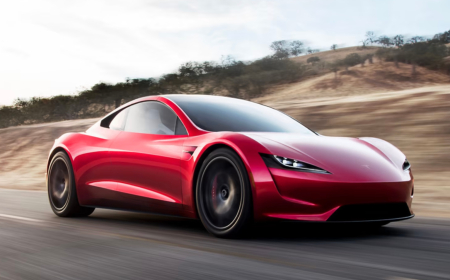
Tesla has publicly described using remote operators who can directly control robotaxis. Waymo uses remote assistance teams that can provide guidance or send commands to vehicles, while Zoox says its remote operations teams are based in the United States.
Companies must provide local incident support
The law will require autonomous vehicle companies to notify cities and other local jurisdictions about the location and status of vehicles during system-wide failures. They must also provide local incident technicians who can respond when vehicles are involved in crashes, become disabled or create road obstructions.
Waymo and Zoox have said they intend to comply with the new requirements.
SB 1246 takes effect in July 2028. The California Department of Motor Vehicles will set additional guidelines, including required response times for companies when autonomous vehicles cause incidents or interfere with emergency operations.
What's Your Reaction?
 Like
0
Like
0
 Dislike
0
Dislike
0
 Love
0
Love
0
 Funny
0
Funny
0
 Angry
0
Angry
0
 Sad
0
Sad
0
 Wow
0
Wow
0