

































Aurora Targets 30,000 Driverless Trucks and $5B in Annual Revenue by 2030
Aurora expects more than 30,000 driverless trucks and $5 billion in annual revenue by 2030 as it shifts toward a driver-as-a-service business model.
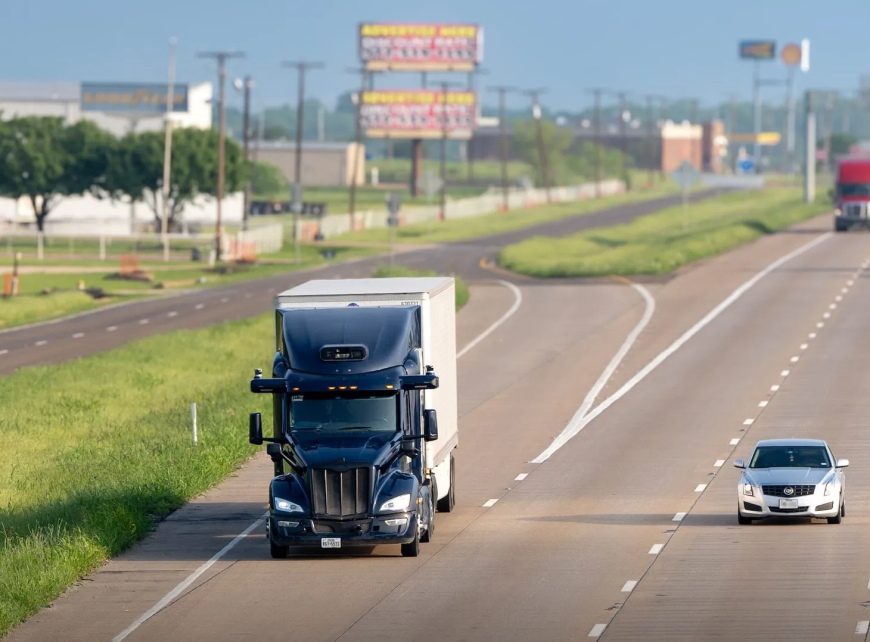
Aurora expects to have more than 30,000 driverless trucks operating by the end of 2030 and generate $5 billion in annual revenue, up sharply from the roughly 200 trucks and $80 million revenue run rate it expects by the end of 2026.
CFO David Maday said the target is ambitious within autonomous trucking but remains small compared with the broader commercial truck market, where major manufacturers collectively produce hundreds of thousands of new vehicles each year.
“I don’t think it’s aspirational,” Maday said. “I think we can do it.”
Aurora outlined the longer-term targets during its 2026 Analyst and Investor Day. The company expects its fleet to grow from about 200 driverless trucks at the end of 2026 to more than 1,000 by the end of 2027.
Aurora Plans to Shift Away From Owning Trucks
Aurora currently operates a transportation-as-a-service model in which it owns and operates autonomous trucks and charges customers, including Detmar Logistics, Hirschbach, McLane and Werner, about $2 per mile, including a fuel surcharge.
The company plans to limit that model to roughly 500 trucks and begin shifting toward driver-as-a-service in 2027. Under the new structure, customers would purchase and maintain the trucks while paying Aurora an expected subscription fee of about $0.85 per mile for its autonomous driving technology.
Aurora would continue maintaining the self-driving system and associated hardware. Moving truck ownership off its balance sheet is central to the company’s strategy for scaling without carrying the full capital cost of a rapidly expanding fleet.
Third-Generation Hardware Is Key to Scaling
Aurora expects to reach breakeven gross margins on a run-rate basis during the first half of 2027 with about 500 trucks operating.
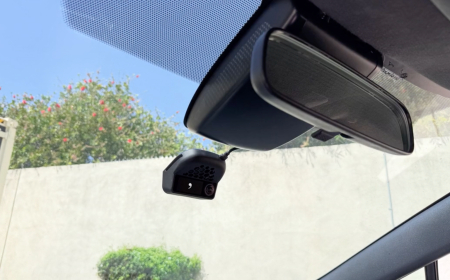
Another major step is planned for late 2027, when partner Aumovio is expected to begin mass-producing Aurora’s third-generation autonomous driving hardware, including the sensors and computing equipment required for driverless operation.
Aumovio, formerly known as Continental, will engineer and manufacture the hardware kit, finance it for Aurora, and provide servicing and repairs for customers. The arrangement is intended to reduce Aurora’s financial burden as deployments increase.
Aurora Plans a Broader U.S. Expansion
Aurora also expects its operating footprint to expand from a limited number of Southern states to most of the continental United States by 2030.
Maday said the company expects its cost structure to improve substantially by 2028, supporting stronger gross margins as the fleet expands.
Aurora also continues to view robotaxis as a future opportunity. Maday said entering ride-hailing could make sense once the economics of the company’s autonomous trucking business are more established.
What's Your Reaction?
 Like
0
Like
0
 Dislike
0
Dislike
0
 Love
0
Love
0
 Funny
0
Funny
0
 Angry
0
Angry
0
 Sad
0
Sad
0
 Wow
0
Wow
0