



































Lyft Agrees to Pay $272.5M to Settle California Driver Misclassification Case
Lyft agrees to pay $272.5 million to settle California claims that it misclassified drivers as contractors and failed to pay required wages and benefits.
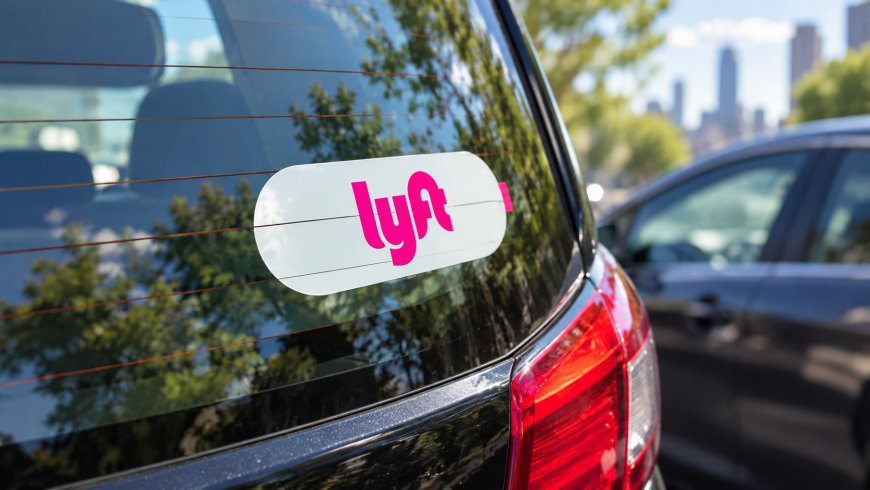
Lyft has agreed to a proposed $272.5 million settlement to resolve a California lawsuit alleging the ride-hailing company misclassified drivers as independent contractors rather than employees.
The settlement is not yet final. It remains subject to approval by the Superior Court of California in San Francisco, according to Lyft’s regulatory filing. Lyft said reaching an agreement would allow it to avoid the costs and distraction of prolonged litigation and focus management on the company’s business. The settlement does not constitute an admission of liability or wrongdoing.
Case dates back to California’s gig worker classification fight
The dispute stems from a lawsuit filed by the California Labour Commissioner’s Office in August 2020. The state alleged that Lyft improperly classified drivers as independent contractors, denying them protections including minimum wage, overtime, paid sick leave, timely wage payments and reimbursement for certain expenses.
According to the California Labour Commissioner’s Office, the proposed settlement covers alleged violations from April 6, 2016, through December 15, 2020. Labour Commissioner Lilia García-Brower said her office would forgo its share of certain settlement funds so that money could instead go to drivers who filed wage claims.
The case arose during California’s broader fight over gig worker classification. Assembly Bill 5 tightened the rules for treating workers as independent contractors. At the same time, Lyft, Uber, and other platforms continued classifying drivers that way, prompting lawsuits and enforcement actions later coordinated in San Francisco Superior Court.
Proposition 22 now governs app-based drivers
California voters approved Proposition 22 in November 2020, creating a separate framework that allows qualifying app-based transportation and delivery drivers to remain independent contractors while receiving certain benefits and protections.
The proposed settlement therefore addresses Lyft’s historical classification practices and does not require the company to change how it classifies drivers today.
Lyft maintains that it properly classified its drivers and said the settlement would close a case originating from the period before Proposition 22. The company has also argued that California rideshare drivers value the flexibility associated with independent contractor status.
If the court approves the agreement, it would resolve the LabourCommissioner’ss claims against Lyft for the covered period. Uber faces a separate case involving similar allegations.
What's Your Reaction?
 Like
0
Like
0
 Dislike
0
Dislike
0
 Love
0
Love
0
 Funny
0
Funny
0
 Angry
0
Angry
0
 Sad
0
Sad
0
 Wow
0
Wow
0